Labor Secretary Resigns, Third Cabinet Exit in Two Months
Labor Secretary Alex Acosta has resigned, marking the third cabinet departure from the Trump administration in under two months. His resignation follows intense criticism over a lenient plea deal he approved in 2008 involving Jeffrey Epstein. The White House confirmed his move to the private sector.


Labor Secretary Alex Acosta Resigns Amidst Growing Criticism
Labor Secretary Alex Acosta announced his resignation today, becoming the third cabinet member to leave the Trump administration in less than two months. Acosta stated he is moving to the private sector, a decision that comes as he faced mounting criticism over his handling of a past case involving Jeffrey Epstein.
The White House confirmed Acosta’s departure, noting his desire to return to private life. His exit follows that of former Secretary of State Rex Tillerson and former EPA Administrator Scott Pruitt, signaling continued turnover at the highest levels of the executive branch. This pattern of departures raises questions about stability within the administration.
Acosta’s Controversial Past Comes to Light
Acosta’s tenure was increasingly defined by scrutiny over a 2008 plea deal he approved as a federal prosecutor. The deal allowed Epstein, a wealthy financier, to plead guilty to state charges of sex trafficking of a minor, avoiding more serious federal charges. Many, including victims’ advocates and lawmakers, felt the sentence was too lenient.
During his time as U.S. Attorney for the Southern District of Florida, Acosta oversaw the prosecution of Epstein. The agreement resulted in Epstein serving just 13 months in a county jail, with the option to work outside the facility. This lenient outcome has drawn significant backlash years later.
Epstein Case Sparks Renewed Outrage
The Epstein case resurfaced recently, leading to widespread condemnation of Acosta’s role. Critics argued that Acosta failed to secure adequate justice for Epstein’s victims. The plea deal allowed Epstein to continue his life with minimal consequence at the time, a fact that many found unconscionable.
This renewed focus on the Epstein case placed immense pressure on Acosta. Reports suggest the White House had been considering his removal for some time. The resignation appears to be a move to quell the controversy and allow the administration to move forward.
Administration Faces Continued Departures
Acosta’s resignation continues a trend of high-profile departures from President Trump’s cabinet. Rex Tillerson was fired as Secretary of State in March, and Scott Pruitt resigned as EPA Administrator in July amid numerous ethics investigations. These frequent changes can make it difficult for agencies to maintain consistent policy direction.
The departures suggest potential challenges in retaining top talent within the administration. It also raises concerns about the vetting process for cabinet appointments. Each exit creates a vacancy that requires a new nomination and confirmation process, potentially slowing down government operations.
Looking Ahead: New Leadership and Lingering Questions
The search for Acosta’s replacement is now underway. The president will need to nominate someone who can handle the challenges of labor law and manage the Department of Labor effectively. The choice will also be scrutinized in light of the recent controversies.
The Epstein case itself continues to be a major story, with federal prosecutors now pursuing new charges against him. Acosta’s resignation does little to diminish the public’s attention on this disturbing matter. The focus will remain on ensuring justice for the victims and holding all responsible parties accountable.
Source: Trump ‘unlikely’ to extend ceasefire as deadline for deal approaches (YouTube)

Related Articles


Trump Tariffs Refunded: Billions Now Flowing Back to Businesses
Businesses can now claim refunds for certain Trump-era tariffs following a Supreme Court ruling. U.S. Customs and Border Protection is managing the process, which involves billions of dollars in deposits. This development could provide significant financial relief to companies impacted by the tariffs.

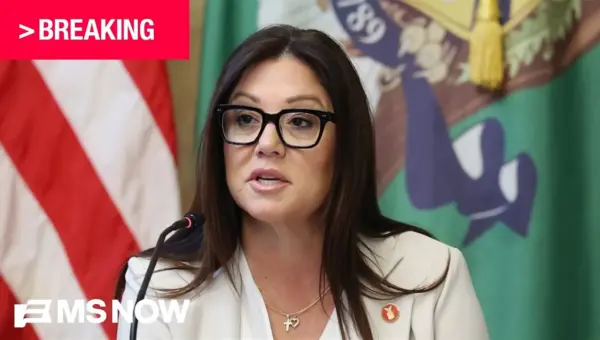
Labor Secretary Resigns Amid Scandal, Accusations
Labor Secretary Alex Acosta resigned Tuesday following a year of controversy. The resignation came amid investigations into accusations of sexual assault involving her husband and her own alleged misconduct, including drinking on the job. Her attorney stated the decision was personal.

Cabinet Chaos: Trump’s Team Implodes Amid Scandals
Labor Secretary Lorie Chavez-Thompson has been ousted amid investigations into misconduct, including affairs and misuse of funds. Her departure highlights a pattern of controversy within the Trump administration, where alleged personal failings of officials are seen as national security risks. This turmoil suggests deeper cultural issues and potential future instability.