Netanyahu Declares War on Iran Far From Over
Israeli Prime Minister Benjamin Netanyahu declared that the conflict with Iran is far from over, emphasizing Israel's military strength and its role in defending Western civilization. This statement comes as a ceasefire is set to expire, amid ongoing tensions and economic impacts like surging oil prices.

Netanyahu Declares War on Iran Far From Over
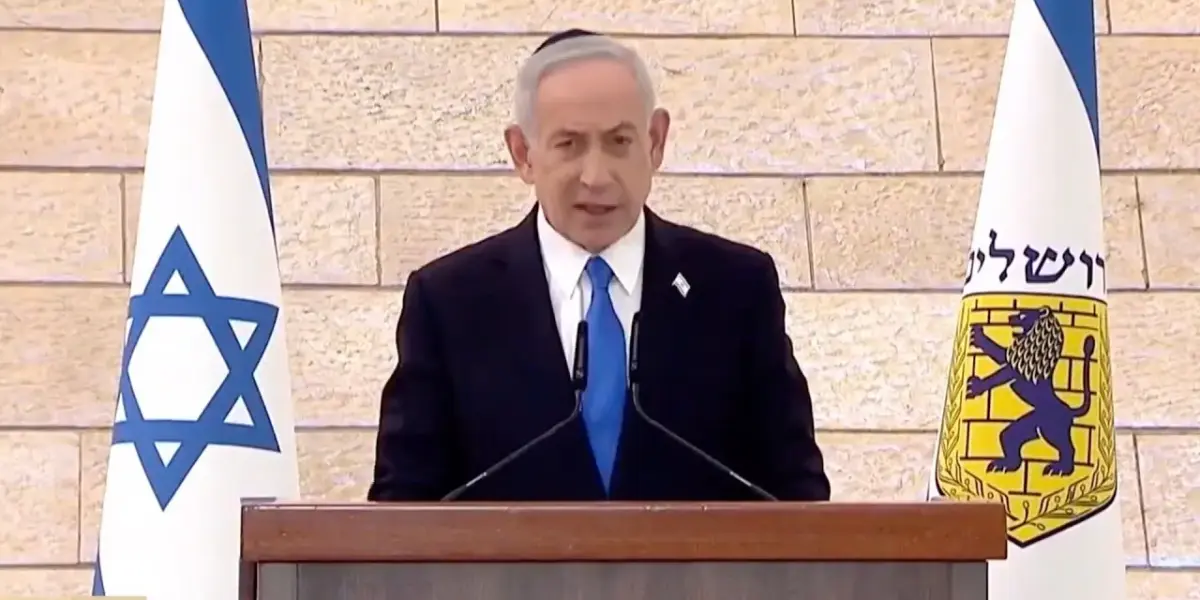
Israeli Prime Minister Benjamin Netanyahu stated that Israel has not yet achieved all its goals in its conflict with the Iranian regime. He made these remarks during a somber Memorial Day ceremony held in Jerusalem. This declaration comes as a two-week ceasefire was scheduled to end, signaling a potential escalation in regional tensions.
Netanyahu emphasized Israel’s strong military presence and control in the region. He pointed to Israeli forces operating deep within Gaza and controlling the airspace from Syria to the Mediterranean. He described this as clear evidence of their advantage over what he termed the ‘Iranian axis.’ The Prime Minister asserted that the mission is not complete but that Israel’s resolve to protect itself is recognized globally.
The Prime Minister also framed the conflict as a defense of not just Israel but of all of Western civilization. He stated that Israel and its key ally, the United States, bear the responsibility of protecting humanity from what he called ‘barbaric fanaticism.’ This framing highlights a broader ideological struggle as perceived by Israeli leadership.
Geopolitical Context and Recent Developments
The situation is set against a backdrop of significant international developments. President Trump had announced a two-week ceasefire with Iran on April 7th.
However, this period of reduced hostilities appears to be viewed by Netanyahu as a temporary pause rather than a lasting peace. The ongoing tensions have had a tangible impact on global markets, with heavy restrictions on shipping through the vital Strait of Hormuz driving oil prices above $100 a barrel.
The United States Navy has been actively enforcing a blockade on Iranian ports. This action is part of a broader strategy to pressure Iran economically and militarily. The blockade aims to limit Iran’s ability to export oil and import necessary goods, thereby weakening its capacity to fund its regional activities and military programs.
Historical Background of Regional Tensions
The conflict between Israel and Iran, and the broader regional instability, has roots stretching back decades. Following the 1979 Iranian Revolution, Iran adopted an anti-Israel stance, which intensified over the years.
Iran has been a significant supporter of various militant groups in the region, including Hezbollah in Lebanon and Hamas in Gaza. These groups have frequently engaged in conflict with Israel, leading to cycles of violence.
Israel views Iran’s nuclear program and its regional influence as existential threats. For years, Israel has conducted covert and overt actions against Iranian interests and its proxies.
This includes airstrikes in Syria targeting Iranian weapons shipments and personnel, as well as cyber warfare and alleged assassinations of Iranian scientists. The current military actions in Gaza, while focused on Hamas, are also seen by some analysts as part of this larger confrontation with Iran.
Analyzing Netanyahu’s Stance
Netanyahu’s strong rhetoric suggests a belief that a decisive military victory is necessary. His focus on ‘finishing the task’ implies that current actions, including the ceasefire, are insufficient to neutralize the perceived threat from Iran and its allies. The mention of defending ‘humanity’ elevates the conflict beyond a regional dispute to a global struggle against extremism.
This perspective aligns with a long-standing Israeli security doctrine that prioritizes preemptive action and maintaining military superiority. The reference to the ‘Western civilization’ highlights a strategic alliance with the United States and a shared worldview against perceived threats from authoritarian regimes and radical ideologies. It also serves to rally international support for Israel’s actions.
The Role of the United States
The United States plays a key role in this complex geopolitical equation. As Israel’s staunchest ally, its support is vital for Israel’s security and diplomatic efforts.
The Trump administration’s approach to Iran, marked by withdrawal from the Iran nuclear deal and the imposition of severe sanctions, has been a significant factor. The ongoing naval blockade and the administration’s public support for Israel’s security interests reinforce this alliance.
However, the effectiveness and long-term consequences of this ‘maximum pressure’ campaign are debated. While it has strained Iran’s economy, it has also arguably led Iran to increase its regional assertiveness and accelerate certain aspects of its nuclear program. The US presence in the region, including naval patrols and military bases, is a deterrent but also a potential flashpoint.
Economic and Humanitarian Impacts
The conflict’s impact extends beyond military and political spheres. The disruption of shipping through the Strait of Hormuz, a critical chokepoint for global oil supplies, has direct economic consequences worldwide.
Surging oil prices affect everything from transportation costs to the price of everyday goods, creating inflationary pressures. This highlights how regional conflicts can have far-reaching global economic implications.
The ongoing military operations, particularly in Gaza, have severe humanitarian consequences. The transcript mentions operations extending into the Gaza Strip, an area already facing a severe humanitarian crisis.
Civilian casualties, displacement, and destruction of infrastructure are persistent issues in these conflicts. The call to defend ‘humanity’ stands in stark contrast to the human cost of prolonged warfare.
Why This Matters
Netanyahu’s assertion that the fight against the Iranian regime is far from over is significant because it signals a continued commitment to aggressive action. It suggests that diplomatic solutions or temporary truces may not be sufficient in the eyes of Israeli leadership. This has major implications for regional stability and the potential for further escalation of conflict.
The framing of the conflict as a defense of ‘Western civilization’ attempts to rally international support and legitimize Israel’s actions on a global stage. It also highlights a growing ideological divide in international relations, where established democracies are increasingly confronting what they perceive as threats from authoritarian and radical regimes. Understanding this dynamic is key to comprehending current geopolitical alignments and future conflicts.
Future Outlook and Trends
The future outlook remains uncertain, with several potential paths forward. A continued escalation could lead to a wider regional war, involving multiple state and non-state actors.
This would have devastating humanitarian and economic consequences. Conversely, a return to sustained diplomatic negotiations, perhaps with renewed international mediation, could offer a path towards de-escalation and a more stable regional order.
However, the deep-seated mistrust and the complex web of proxy relationships make a swift resolution unlikely. The ongoing military actions and the strong rhetoric from leaders on all sides suggest that the immediate future will likely involve continued tension and sporadic conflict. The effectiveness of economic sanctions versus military deterrence will continue to be a key debate in shaping future policies towards Iran.
The next critical juncture will be the expiration of the current ceasefire, which will reveal the immediate intentions of the involved parties. The actions taken in the coming weeks will set the tone for the ongoing confrontation between Israel and the Iranian regime.
Source: Netanyahu: Fight Against Iranian Regime Not Over Yet (YouTube)

Related Articles

Pakistan Courts US Ties Amidst Iran Talks
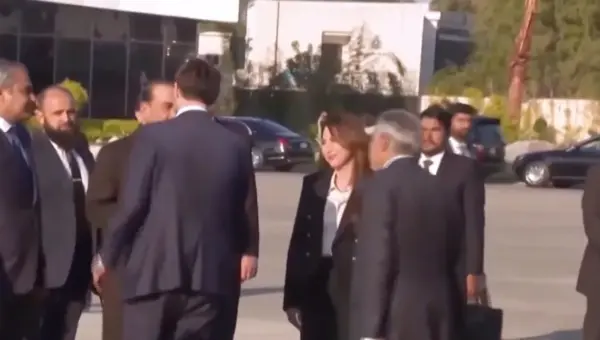
Pakistan's Interior Minister met with U.S. Chargé d'Affaires Natalie Baker, discussing strengthened ties and preparations for upcoming U.S.-Iran talks in Islamabad. Baker praised Pakistan's role in easing regional tensions, highlighting the nation's growing diplomatic importance.

China Uses Iran as Puppet in Strait of Hormuz ‘Shell Game’
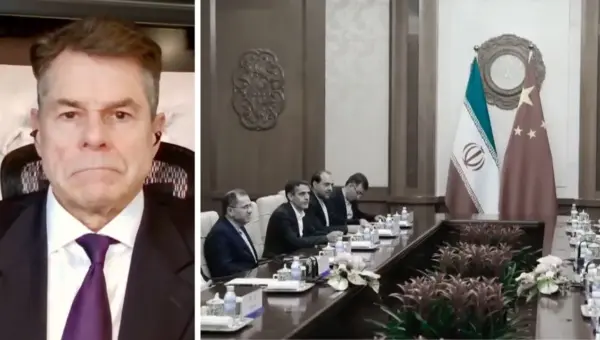
China is allegedly directing Iran's actions in the Strait of Hormuz, creating an energy crisis that chokes Chinese oil imports while China publicly calls for open passage. Experts describe this as a 'shell game,' where China plays both sides to appear as a peacemaker while advancing its own global ambitions and weakening the West through 'unrestricted warfare'.


Trump’s Iran Standoff: A Tightrope Walk to Nowhere
The U.S. faces a volatile situation with Iran, marked by Trump's inconsistent diplomacy and a search for cease-fire extensions. Internal administration turmoil and questionable reporting practices add to the chaos, while control of the Strait of Hormuz remains a key point of contention. This creates a dangerous stalemate with significant global economic and security implications.