US Seizes Iran Ship, Uncovers Secret Chinese Cargo
The US has seized an Iranian tanker, suspecting it carried secret Chinese cargo for military use. This action occurs alongside increased US military deployments and conflicting reports on Iran-US negotiations. The situation remains tense, with a naval blockade impacting regional trade.

US Seizes Iran Ship, Uncovers Secret Chinese Cargo
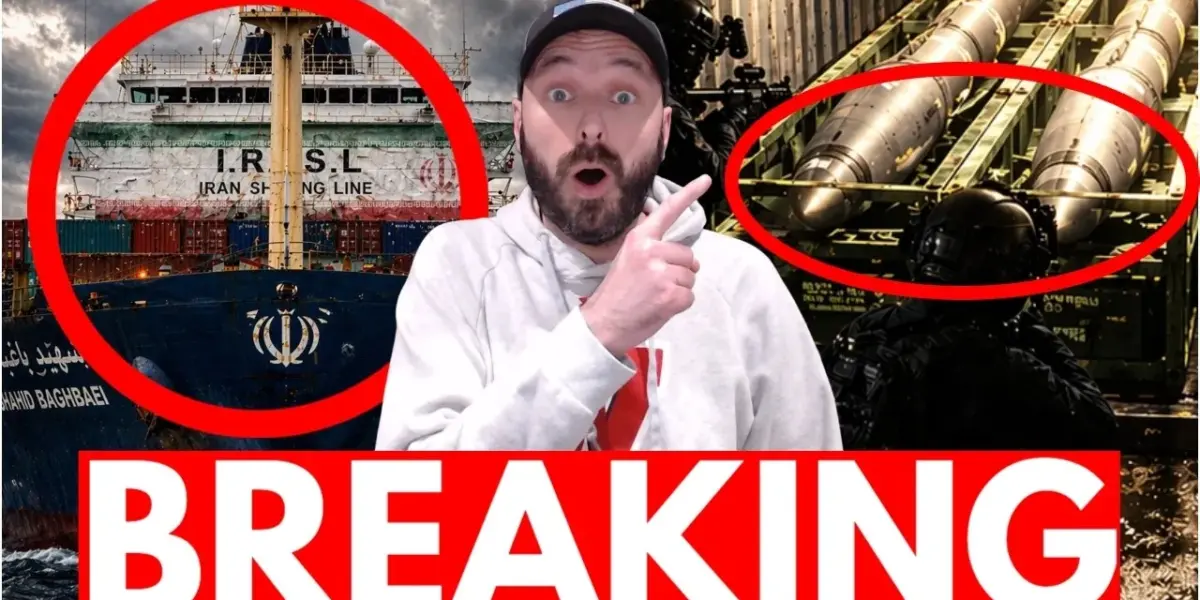
The United States has seized an Iranian tanker after a tense standoff, with initial reports suggesting the vessel was carrying secret cargo from China. This action comes amid ongoing tensions and a complex negotiation process between the US and Iran.
Details of the Seizure
On April 20th, US Marines boarded and took control of an Iranian tanker after it failed to stop despite warnings. The US Navy destroyer USS Spruce fired on the ship, disabling its engine room. The vessel, identified as the Tusca, had reportedly made frequent trips to China.
Suspected Secret Cargo
Experts cited by The Wall Street Journal believe the Tusca was carrying special cargo intended to aid Iran, which is why it attempted to evade the US blockade. Marine security sources also suggest the ship may have been transporting dual-use items that Washington considers a military threat. There is speculation that the cargo could include fuel, chemicals, and parts for rebuilding Iran’s ballistic missiles.
The United States is not going to let that happen. If we think a ship is carrying weapon producing material into Iran, we have no choice but to stop it.
Increased US Military Presence
In parallel with the ship seizure, the US Navy is deploying 12 more EA-18G Growler electronic warfare aircraft to Israel. These aircraft are equipped with advanced systems designed to disrupt enemy air defenses. The deployment increases the total number of Growlers in the region to 36, signaling a readiness for potential conflict should negotiations fail.
Shifting Iranian Leadership
Reports from sources like the Christian Science Monitor indicate a shift in Iran’s leadership. Analysts suggest that a hardline faction within the Islamic Revolutionary Guard Corps (IRGC) has gained more influence. This rise of hardline elements is seen as a consequence of past US and Israeli actions against Iranian military and political figures, potentially making the regime less willing to compromise.
IRGC’s Role and Regional Activities
The commander of Iran’s IRGC’s Quds Force, Ez Zahi, was reportedly in Baghdad meeting with leaders of armed factions. These meetings are believed to be aimed at coordinating for potential future fighting and promoting a pro-Iran prime minister in Iraq. This activity highlights the IRGC’s continued engagement in regional proxy activities.
Conflicting Negotiation Signals
There are mixed signals regarding ongoing negotiations between the US and Iran. While US media reports suggest Iran will send negotiators to Islamabad for a second round of talks, Iranian media, specifically Tasnim, states the IRGC’s position remains unchanged, with no participation in talks until key obstacles, like the US naval blockade, are addressed. President Trump has also stated that a ceasefire with Iran is highly unlikely to be extended if a deal is not reached soon.
Strait of Hormuz Blockade
Traffic through the Strait of Hormuz has reportedly dropped to a near standstill. Claims that the strait had reopened have not materialized, with Iran reportedly reinstating restrictions. The US has been blocking the entrance and exit to the south, turning around dozens of ships and boarding at least one, leading to increased oil and gas prices.
President Trump’s Statement
President Trump addressed the situation on social media, asserting that he is winning a war against Iran and that the media is misrepresenting the situation. He claimed that Iran’s navy has been destroyed and that the blockade is costing Iran $500 million per day, an unsustainable figure. Trump stated that the blockade would remain in place until a deal is reached and accused anti-America media of rooting for Iran’s success.
Enforcement of Blockade
Footage released by US Central Command (CENTCOM) shows US helicopters using flares to warn ships attempting to break the blockade. Vessels are warned that entering or exiting Iranian ports is subject to visit and search, and compliance will be compelled by force if necessary. Fighter jets and reconnaissance planes are also shown conducting air operations in the region.
Regional Strikes and Outlook
In addition to the maritime actions, footage from Lebanon shows the aftermath of Israeli attacks. The current situation remains tense, with a captured Iranian ship carrying suspected secret cargo, increased US military assets in the region, and an uncertain outcome for ongoing negotiations. The blockade’s continuation is a key point of contention, impacting Iran’s economy and regional stability.
Source: Captured Iran Ship Hiding SECRET Cargo – Fighter Jets ON THE MOVE (YouTube)

Related Articles
Iran Conflict: Trump’s Desperation Fuels Iranian Confidence
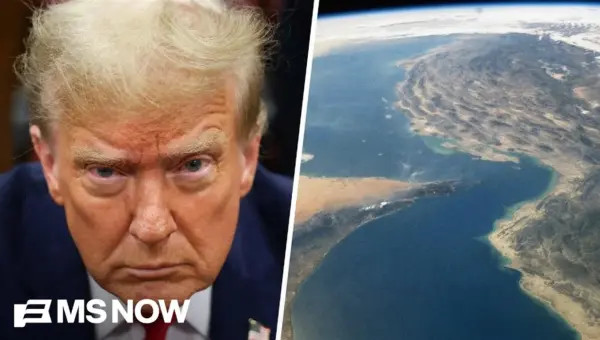
Retired four-star general Barry McCaffrey and Middle East expert Stephen Cook suggest President Trump's approach to Iran has emboldened the nation, making it feel in control of the Strait of Hormuz. This perception, coupled with domestic political pressure on Trump, creates a complex situation for U.S. foreign policy and global economic stability. The experts also raise concerns about the lack of a coherent national security process and the impact on negotiations.

Trump Rewrites War Narrative, Blames Democrats for Failure
Donald Trump is blaming Democrats for a difficult situation with Iran, a move critics call a political tactic to deflect blame. This follows a pattern of cutting taxes, reducing benefits, and increasing debt, with blame then shifted to the opposition when things go wrong.

Trump’s Pakistan Meeting Gambit Stalls Amidst Iran’s Demands
Donald Trump's reported attempts to negotiate with Iran via Pakistan are faltering as Iran insists on preconditions. Public statements from both sides reveal deep mistrust and conflicting narratives, particularly concerning the JCPOA and the blockade of the Strait of Hormuz.