Iran Conflict: Trump’s Desperation Fuels Iranian Confidence
Retired four-star general Barry McCaffrey and Middle East expert Stephen Cook suggest President Trump's approach to Iran has emboldened the nation, making it feel in control of the Strait of Hormuz. This perception, coupled with domestic political pressure on Trump, creates a complex situation for U.S. foreign policy and global economic stability. The experts also raise concerns about the lack of a coherent national security process and the impact on negotiations.

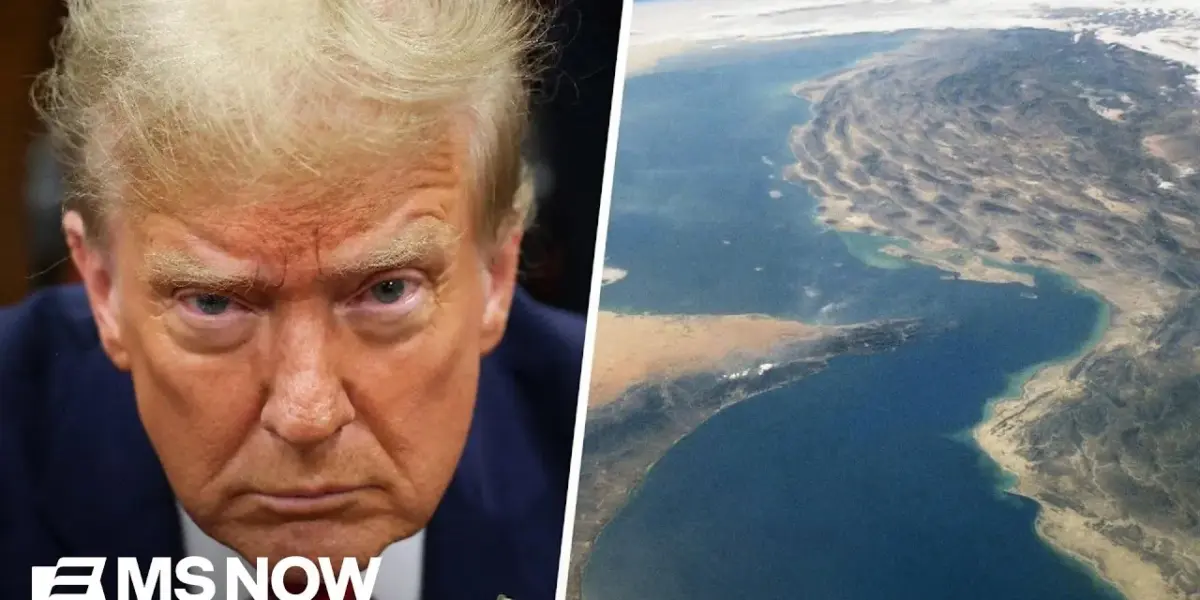
Iran Conflict: Trump’s Desperation Fuels Iranian Confidence
In a candid assessment of the ongoing tensions with Iran, retired four-star general Barry McCaffrey and Middle East expert Stephen Cook offered insights into the current state of affairs. Both experts suggest that President Trump’s approach has inadvertently emboldened Iran.
This has led to a situation where Iran feels it controls a vital global waterway. The U.S. military’s efforts to maintain security are highlighted, but questions remain about the long-term strategy.
Lack of Coherent National Security Process
Stephen Cook, a senior fellow for Middle East and Africa studies at the Council on Foreign Relations, expressed concern over the current U.S. national security process. He noted that there is no longer a functioning national security process.
Cook described President Trump’s public statements as “unhinged postings.” These are being read by the armed forces at the same time as the secretary of defense. This lack of a clear, unified strategy creates confusion both domestically and internationally.
Iran’s Growing Confidence in Strait of Hormuz Control
General McCaffrey believes that the pressure applied to President Trump has made him appear desperate to the Iranian leadership. This perception has led Iran to believe it now controls the Strait of Hormuz, a critical shipping lane. Approximately 110 to 150 ships transit this waterway daily.
Despite the U.S. Navy’s extraordinary efforts in conducting a blockade, turning back over 27 ships and seizing one, the capability to guarantee the safety of giant oil tankers remains limited. This situation leaves President Trump in a difficult position.
Prospects for Escalation and Negotiation
Cook discussed the prospects for escalation, noting that the current ceasefire was set to end on a Wednesday. He suggested that discussions planned for the preceding Tuesday made an immediate escalation less likely. President Trump might frame this as a success, highlighting ongoing negotiations.
However, Cook cautioned that bridging the vast differences between the United States and Iran is a far more complex issue. Both sides are entering negotiations with significantly different goals.
Iran’s Maximal Demands and Perceived Victory
The Iranian strategy, according to Cook, involves returning to negotiations with generally maximal demands. This is fueled by their belief that they are currently winning. This perception of victory gives them significant leverage.
They have discovered a way to control the Strait of Hormuz, a capability that was previously considered only theoretical. The U.S. commitment to freedom of navigation is directly challenged by this newfound Iranian confidence.
Global Economic Implications
The control of the Strait of Hormuz has major implications for the global economy. For Gulf nations like the Emiratis, Saudis, Kuwaitis, and Iraqis, the strait is critical for exporting their energy resources. While some alternative routes exist, they are less efficient.
Iran’s leverage over this vital waterway is now arguably more valuable to them than their nuclear program. This presents a significant problem for the United States and its allies in the region.
White House Reaction and Shifting Messages
David Drucker, a senior writer at The Ch and MSNOW contributor, described the White House reaction as inconsistent. He stated that the president says one thing and then says another.
The situation on the ground can appear one way due to presidential statements and ongoing negotiations, only to shift hours later. This makes accurate reporting challenging, especially when dealing with a nation with a history of deception.
Domestic Political Pressure on Trump
President Trump is facing significant domestic political pressure. High gas prices and volatile oil markets are making American voters unhappy. Even segments of the Republican coalition are beginning to express doubts about the current approach.
As the situation drags on without a clear resolution, voters are becoming restless. The president’s communication style, often described as a “moving target,” adds to the general sense of unease.
Trust Issues and Presidential Credibility
Drucker highlighted a double-edged sword in the negotiations: the inability to trust Iran, which has a history of dishonesty, and the growing distrust in President Trump’s own statements. Public opinion polls reflect this concern.
A significant majority of Americans, including independents and a notable percentage of Republicans, disapprove of the handling of the Iran conflict. Many want no further U.S. military action.
Approval Ratings and the MAGA Base
While President Trump’s overall approval rating stands at 37%, his handling of the Iran situation garners less support. Only 87% of MAGA supporters approve of his actions regarding Iran, which is considered decent but not the overwhelming majority needed for political strength.
Doubts are creeping in among the outer bands of his coalition, including younger voters and those who did not support the previous administration. These voters feel the current actions do not align with campaign promises.
Presidential Impatience and Leaks
A detailed report in The Wall Street Journal revealed instances of extreme impatience from President Trump. During a crisis involving a downed U.S. jet and missing aviators, aides reportedly kept the president out of the room for minute-by-minute updates. They believed his impatience would not be helpful.
Updates were provided at more opportune moments. This practice is considered shocking by some, given the gravity of the situation.
Strategic Objectives and Nuclear Program
General Cook emphasized that the most crucial national security objective in the current conflict is delaying Iran’s nuclear weapons program. He argued that Iran will not abandon its nuclear ambitions.
To delay the program, the U.S. must negotiate an agreement that allows for International Atomic Energy Agency (IAEA) inspectors on the ground. Failure to do so could mean missing a critical opportunity to slow Iran’s path to nuclear capability.
Looking Ahead
As the ceasefire deadline approaches and diplomatic discussions continue, the focus remains on whether a stable agreement can be reached. The U.S. faces the challenge of navigating Iran’s newfound confidence in controlling the Strait of Hormuz while managing domestic political pressures and the broad goal of preventing Iran from obtaining nuclear weapons. Future developments will likely hinge on the administration’s ability to present a unified strategy and the outcomes of ongoing, complex negotiations.
Source: 'Pressure on Trump has made him look desperate in the eyes of Iranians': 4-star general (YouTube)

Related Articles
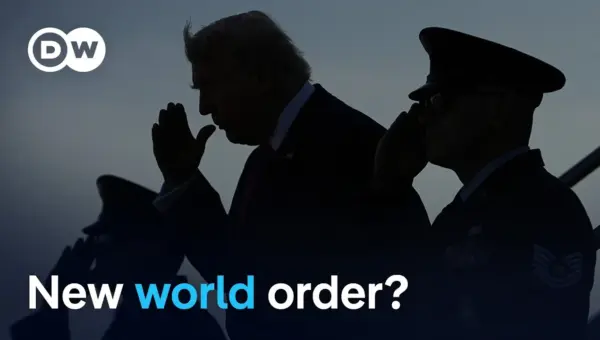
Europe Charts a New Course Amid Global Shifts
European leaders are prioritizing strategic independence, driven by global uncertainty and shifting U.S. policies. Discussions focus on deepening defense cooperation, bolstering capabilities, and playing a more active diplomatic role in global conflicts. While challenges remain, the continent is charting a course towards greater self-reliance.


Trump’s Security Clearance Questioned Amidst Secret Military Briefings
Senior officials reportedly limited then-President Trump's access to sensitive military planning due to concerns about his impulsiveness and potential to leak information. This exclusion raises serious questions about his fitness for the job and highlights a deep lack of trust within national security circles.
Trump Rewrites War Narrative, Blames Democrats for Failure
Donald Trump is blaming Democrats for a difficult situation with Iran, a move critics call a political tactic to deflect blame. This follows a pattern of cutting taxes, reducing benefits, and increasing debt, with blame then shifted to the opposition when things go wrong.