Moon Base Beckons: NASA Races to Build Lunar Future
NASA is accelerating its Artemis program, targeting mid-2027 for the Artemis 3 mission and a return to the lunar surface by early 2028. The long-term goal includes establishing a moon base by late 2028, signaling a new era of sustained lunar presence and deep-space exploration.

Moon Base Beckons: NASA Races to Build Lunar Future
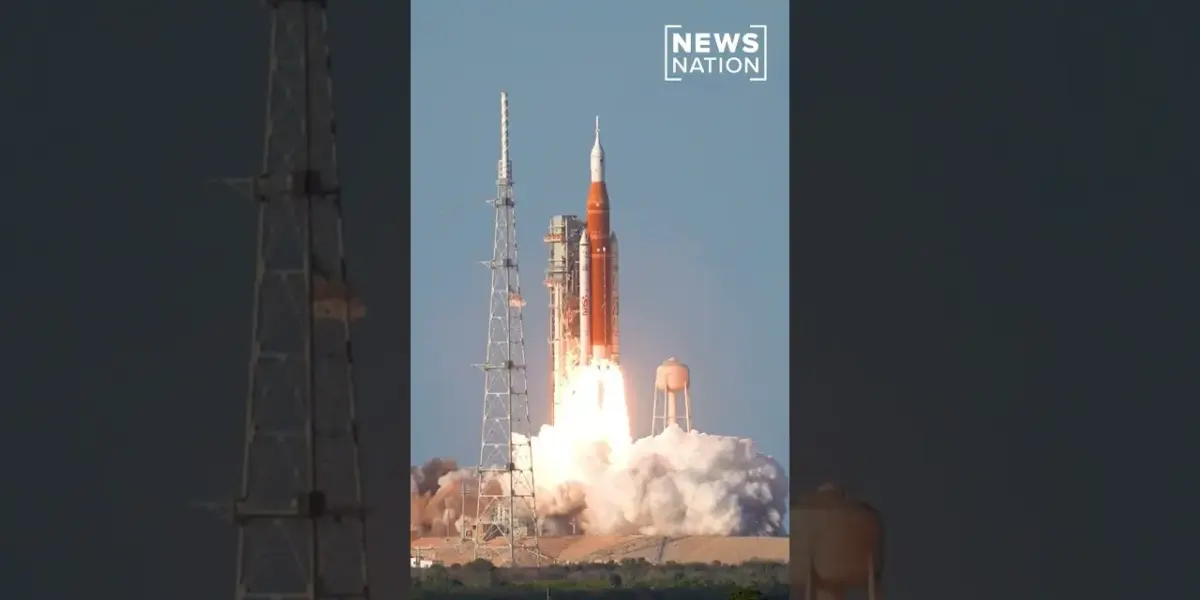
NASA is moving at full speed, not wasting a moment in preparing for its ambitious Artemis program. Just ten days after the Artemis 2 mission’s planned splashdown, the agency is already rolling out the core stage for the Artemis 3 mission. This shows a clear commitment to pushing forward with their lunar exploration goals.
The target for Artemis 3 is set for mid-2027, with the crewed launch aiming to test crucial docking and rendezvous operations. These tests will happen in low Earth orbit, involving the Orion spacecraft and a commercial lunar lander. This step is vital for ensuring the safety and success of future missions.
Following this, Artemis 4 is slated for early 2028. This mission is planned to mark humanity’s return to the lunar surface for the first time in over fifty years. The return to the Moon is a significant milestone after decades of absence.
But the vision extends even further with Artemis 5, eyed for late 2028. NASA aims to use this mission to begin building a permanent moon base. This initiative signals a shift towards establishing a long-term human presence on the Moon.
Before we get too far ahead, it’s important to understand the immediate steps. The Space Launch System (SLS) rocket for Artemis 3 will be transported on NASA’s Pegasus barge. This journey from the assembly facility to the barge takes about four hours.
The barge will then deliver the rocket to the Kennedy Space Center. This delivery process is expected to take approximately seven to ten business days. Each of these logistical steps is carefully planned to ensure the mission progresses smoothly.
Why This Matters
The rapid progression of the Artemis program signifies a renewed global interest in lunar exploration. It’s not just about planting flags anymore; it’s about building infrastructure and scientific outposts. This renewed focus could lead to significant scientific discoveries and technological advancements.
Historical Context
The original Apollo program successfully landed humans on the Moon six times between 1969 and 1972. These missions were driven by the Cold War space race. Now, the Artemis program aims to build upon that legacy, establishing a sustainable presence for scientific research and future deep-space missions.
Implications and Future Outlook
The successful execution of these early Artemis missions will enable a sustained human presence on the Moon. This could lead to the development of lunar resources, new industries, and a deeper understanding of our solar system. The long-term goal is to use the Moon as a stepping stone for even more ambitious journeys, like sending astronauts to Mars.
The involvement of commercial partners in developing lunar landers is a key aspect of the Artemis strategy. This public-private partnership model aims to drive innovation and reduce costs. It mirrors trends seen in other areas of space exploration, where private companies are playing an increasingly significant role.
The timeline for these missions is ambitious, with several key objectives packed into a few years. Success hinges on overcoming complex engineering challenges and ensuring the safety of the astronauts involved. NASA’s methodical approach, starting with testing and gradually increasing complexity, is designed to mitigate risks.
The upcoming Artemis 3 mission, targeting a mid-2027 launch, is a critical next step. The successful transportation of the SLS rocket is just one of many logistical hurdles. NASA’s continued progress on these fronts will be closely watched by scientists, engineers, and space enthusiasts worldwide.
Source: Artemis III: NASA already making preparations for next lunar mission (YouTube)

Related Articles


Bill Nye Slams NASA Budget Cuts as ‘Huge Mistake’
Bill Nye, the popular science educator, has strongly condemned a proposed 23% cut to NASA's budget, calling it a "huge mistake." He argues that NASA is a vital American asset and crucial for maintaining U.S. leadership in science and space exploration, especially in the face of competition from China. Nye also criticized the quality of the White House's budget proposal, citing errors and a lack of attention to detail.

Astronaut’s Moon View Shows Earth Vanish
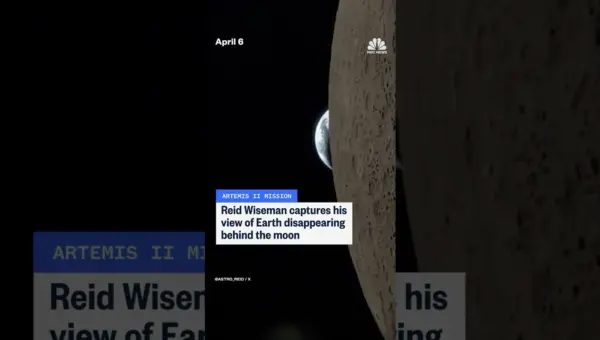
Astronaut Reid Wiseman shared a stunning image taken during the Artemis II mission, showing Earth vanishing behind the moon. The photograph provides a unique perspective on our planet's place in the cosmos. This visual captures a profound moment of lunar exploration and highlights the ongoing efforts of NASA's Artemis program.


New Telescope Unlocks Deeper Views of the Cosmos
A new 8-inch Dobsonian telescope is set to enhance public stargazing experiences, while discussions delve into the "Great Filter" theory and our place in cosmic structures. The article also explores the reliability of space technology and upcoming astronomical events, including the potential discovery of Planet Nine.