Borneo Fire Rips Through Village, Leaving Thousands Homeless
A devastating fire destroyed approximately 1,000 homes in a coastal village on Malaysia's Borneo Island, displacing thousands. The incident highlights the vulnerability of stilt villages to fire and the urgent need for disaster preparedness and aid.

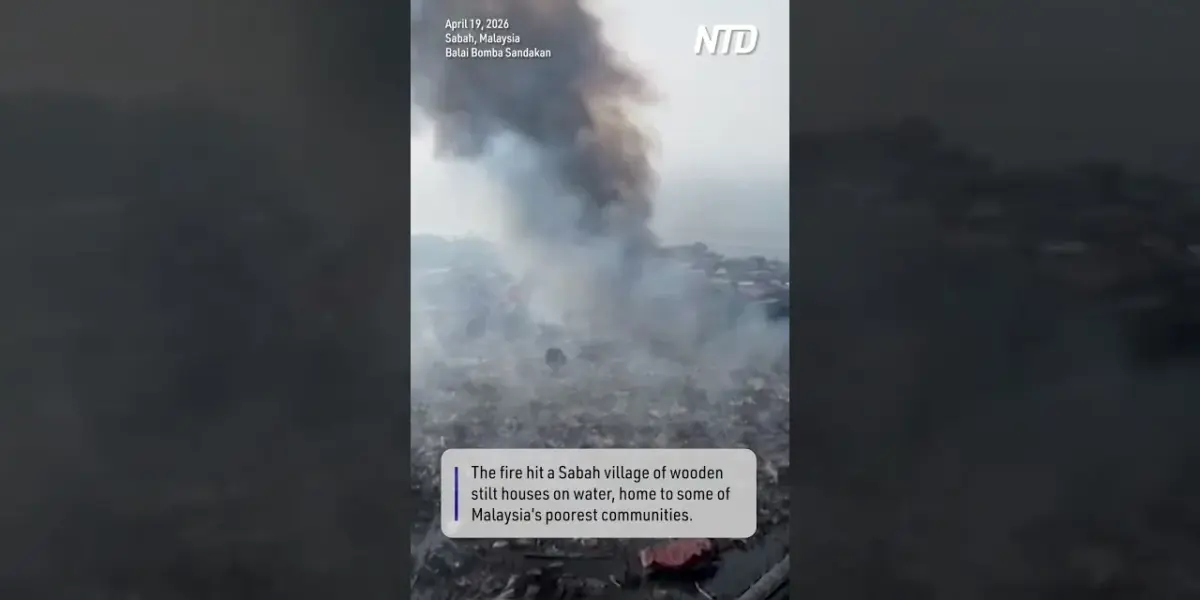
Borneo Fire Rips Through Village, Leaving Thousands Homeless
A massive fire swept through a coastal village on Malaysia’s Borneo Island, destroying about 1,000 homes. This devastating event left thousands of people with nowhere to go. The local fire department confirmed the scale of the disaster on Sunday.
The village is located in the state of Sabah, a region known for its rich biodiversity and cultural heritage. Fires in densely populated coastal areas, often built with wood, can spread with shocking speed. This makes them particularly dangerous.
Why This Matters
This fire is more than just a local tragedy; it highlights critical issues facing many coastal communities. It shows how quickly lives can be upended by natural or accidental disasters. The loss of homes means more than just losing shelter; it means losing livelihoods, memories, and a sense of security.
The immediate aftermath requires urgent humanitarian aid. Providing food, water, and temporary shelter is the first priority.
Beyond that, rebuilding efforts will be a long and complex process. It will involve not just rebuilding houses but also helping the community recover economically and emotionally.
Historical Context and Background
Fires in villages built on stilts over water, common in coastal Southeast Asia, have a long history. These structures, while offering advantages like protection from tides, are also highly vulnerable to fire. Dry conditions, often exacerbated by seasonal weather patterns, can turn a small spark into an inferno.
Historically, such fires have often been linked to cooking accidents, faulty wiring, or even arson. Without proper fire breaks and access for firefighting equipment, these communities are at extreme risk. Modernization brings new challenges, like increased electrical use, which can add to the fire danger.
Implications, Trends, and Future Outlook
This event is a clear reminder of the risks faced by vulnerable populations. As climate change leads to more extreme weather events, the threat of fires could increase. Drier seasons and stronger winds can make fires harder to control.
The long-term implications include the potential for displacement and migration. When communities are destroyed, people may be forced to move, seeking work and new homes elsewhere. This can strain resources in receiving areas and create new social challenges.
Looking ahead, there is a clear need for improved disaster preparedness in such communities. This includes better fire safety education, access to firefighting resources, and possibly changes in building materials or village planning. Investing in these areas can help prevent future tragedies.
The focus now shifts to the recovery. Rebuilding efforts will test the resilience of the community and the effectiveness of aid. Success will depend on coordinated efforts from local government, NGOs, and international partners.
The Indonesian government has been working on disaster management plans. They aim to reduce the impact of such events. Sabah has also been working on similar initiatives.
The path to recovery will be long. It requires sustained support and a focus on building back safer. The community’s spirit will be key to overcoming this immense challenge.
This disaster happened on a Sunday. The rebuilding process will likely begin in the coming weeks.
Source: Fire on Malaysia’s Borneo Island Destroys 1,000 Homes, Displacing Thousands (YouTube)

Related Articles


Malaysia Fire Leaves Thousands Homeless in Poor Water Village
A massive fire has destroyed hundreds of homes in a Malaysian water village, leaving thousands of residents homeless. The blaze, suspected to have started from a cooking accident, rapidly consumed the wooden structures built over the water. Aid efforts are underway as authorities investigate the cause and plan for the community's future.


Billions Spent, Homelessness Spikes: State’s Housing Plan Fails
California has spent at least $37 billion on homelessness under Governor Newsom, yet the problem has worsened. Funds appear to be trapped in a "homeless industrial complex" with ineffective services and costly housing developments. This raises concerns about accountability and the efficient use of taxpayer money.


Candidate Styer Tackles California’s Crises Head-On
California gubernatorial candidate Tommy Styer outlines his plans to tackle affordability, homelessness, and the struggling entertainment industry. He advocates for quick housing solutions, streamlining building permits, and aggressive investment in entertainment.