Trump’s Threats: Iran Deal Deadline Looms
As a critical ceasefire deadline looms, President Trump has issued stark warnings to Iran about potential military action if a nuclear deal isn't reached. The U.S. maintains a naval blockade, while diplomatic efforts continue amidst fragile regional stability. The outcome in the coming days will significantly impact Middle Eastern security.

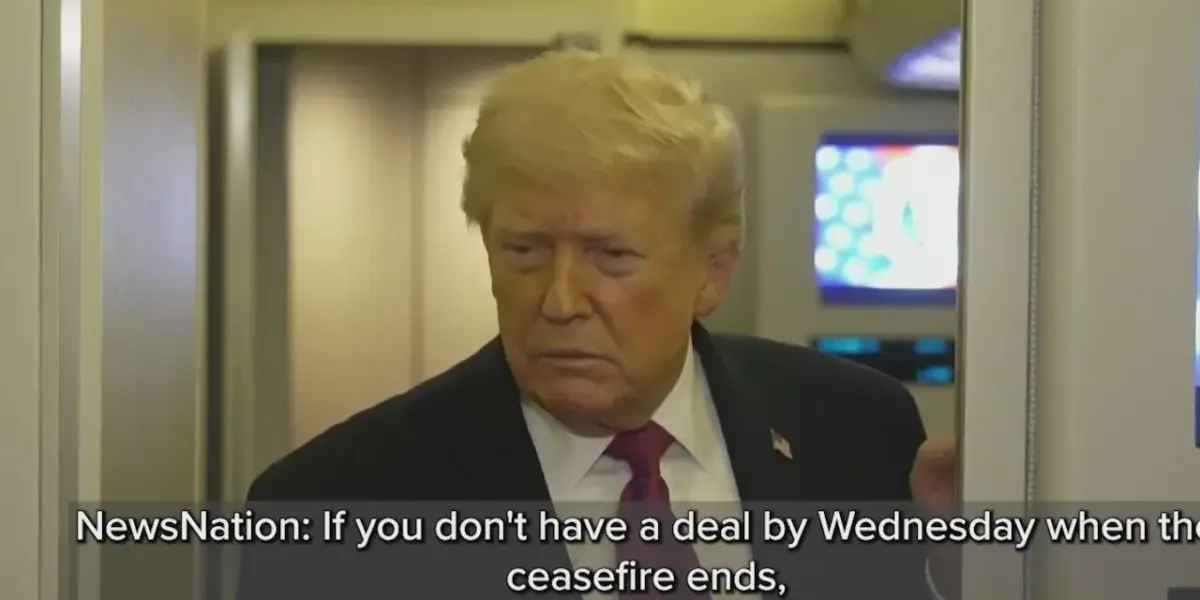
Trump’s Threats: Iran Deal Deadline Looms
The Middle East is experiencing a tense period as a crucial deadline for a peace deal approaches. Tensions between the U.S. and Iran are particularly high, with President Trump issuing strong warnings about potential military action if an agreement isn’t reached.
A Fragile Ceasefire
A ceasefire is currently in place, but its stability is uncertain. Thousands of displaced people in Lebanon are beginning to return home, despite warnings that the truce might not last. Many others remain displaced, seeking shelter in schools or even living in their cars.
Diplomatic Efforts and Standoffs
President Trump has invited Israeli and Lebanese officials to the White House, hoping for meaningful talks. These would be the first significant discussions between them in decades, with the last meeting occurring in 1983. However, Iran has reportedly fired on two ships attempting to pass through the Strait of Hormuz, complicating efforts for de-escalation.
U.S. Pressure on Iran
The U.S. naval blockade of Iranian ports remains in effect. U.S. officials state that multiple vessels have been turned away as part of ongoing diplomatic pressure. President Trump has made it clear that this blockade will continue until a deal is struck, asserting that Iran cannot blackmail America.
The President’s Warnings
Speaking at a rally and then again at a press event, President Trump suggested that Iran has agreed to suspend its nuclear program and that a deal could be close. However, Iran has not confirmed these claims. The President also stated that if no deal is reached by the ceasefire deadline, the U.S. may have to consider military action, warning that they might “drop bombs again.”
Uncertainty Ahead
With the two-week ceasefire set to expire on Wednesday, significant questions remain about what happens next. Officials are unsure if the President will extend the deadline or if a peace deal can be finalized in time. While Trump has indicated talks are going well, he has also declined to answer further questions about the conflict, focusing instead on other policy matters.
Why This Matters
The situation highlights the delicate balance of international diplomacy and the high stakes involved in potential conflicts. The outcome of these negotiations could significantly impact regional stability and global security. The use of military threats, even as a negotiating tactic, carries inherent risks.
Historical Context
Past relations between the U.S. and Iran have been complex and often strained. The current standoff echoes previous periods of tension, where diplomatic efforts have been intertwined with economic pressure and military posturing. The historical context suggests that achieving a lasting peace agreement requires addressing deep-seated issues and building mutual trust.
Implications and Future Outlook
The coming days are critical. The success or failure of these negotiations could determine whether tensions escalate or de-escalate.
The U.S. strategy of applying pressure through blockades and threats is a high-risk approach. The world is watching to see if diplomacy can prevail over conflict.
The Immediate Next Step
All eyes are on Wednesday’s deadline, when the current ceasefire is set to end, and the world will see if a deal is reached or if President Trump’s threats of renewed military action become a reality.
Source: Trump warns US may ‘drop bombs again’ if no Iran deal by ceasefire deadline | NewsNation Live (YouTube)

Related Articles


Israel’s North: Ceasefire Hopes Meet Deep Skepticism
Residents in northern Israel are reacting to the recent ceasefire with a mix of hope and deep skepticism. Many feel disappointed, believing the truce might only be a temporary pause in the conflict. There are strong calls for Israel to act from a position of strength, not weakness, to ensure lasting security.


Trump’s Catholic Allies Uneasy Over Pope Attacks
Donald Trump's recent attacks on Pope Francis have created discomfort among his Catholic allies, who feel "squeamish" about the rhetoric. Meanwhile, escalating tensions with Iran have led to the closure of the Strait of Hormuz, complicating ongoing peace talks and creating an unpredictable diplomatic landscape.
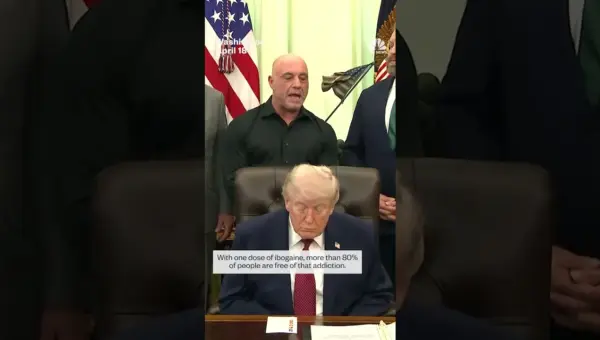
Rogan Sent Trump Info on Ibogaine for Addiction Treatment
Joe Rogan revealed he shared information about ibogaine, a psychedelic drug showing high success rates for opioid addiction, with former President Donald Trump. Rogan stated Trump responded positively, asking about FDA approval. This exchange underscores growing interest in psychedelic therapies for mental health and addiction.