US Tightens Grip: Iran Faces Blockade and Economic Fury
The U.S. has implemented a naval blockade against Iran, crippling its energy exports and intensifying economic pressure. Officials state Iran's military is depleted, while the U.S. is stronger with superior intelligence. The operation aims to force Iran to choose between a diplomatic resolution or severe consequences.

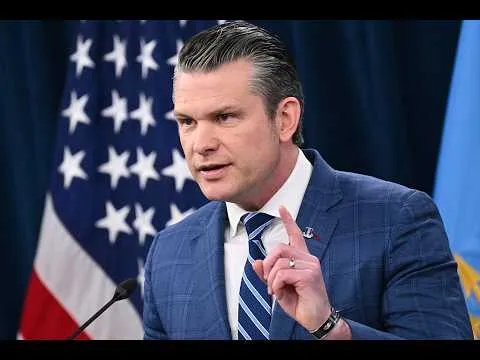
US Tightens Grip: Iran Faces Blockade and Economic Fury
The United States military has launched a significant operation, placing Iran under a naval blockade and intensifying economic pressure. This move signals a strong stance against Iran’s actions, with officials emphasizing readiness to escalate if necessary.
The operation, dubbed ‘Operation Economic Fury,’ aims to cut off Iran’s energy exports and cripple its economy. This is presented as a ‘polite way’ to achieve objectives, but the underlying message is one of severe consequence.
Officials stated that Iran’s military capabilities are significantly weakened. They lack the ability to replace destroyed or damaged equipment, leaving them with only their current, depleted resources.
In contrast, the U.S. military is rebuilding and enhancing its strength, backed by superior intelligence. This intelligence allows for precise targeting of Iran’s critical infrastructure, including power generation and energy sectors.
A Strategic Blockade
The naval blockade, detailed by military leaders, targets all ships heading to or from Iranian ports, regardless of their nationality. This action is not a blockade of the Strait of Hormuz itself, but rather of Iran’s coastline and ports. Enforcement occurs within Iran’s territorial waters and international waters, with U.S. forces actively pursuing any vessel attempting to support Iran, including those involved in illicit oil trade.
Over 10,000 service members, supported by numerous ships and aircraft, are executing this mission. Visual aids showed the blockade line and the U.S. forces monitoring the area in near real-time.
Iranian ships were observed, and through intelligence gathering, potential interdictions were identified. The operation involves a coordinated effort of surveillance, tactical assets, and naval power.
As blockade runners attempted to breach the line, U.S. forces responded with warnings transmitted by junior officers. These messages clearly stated that vessels would be boarded and seized if they did not comply. The pressure applied was described as palpable, with ships able to ‘see, sense, and feel’ the U.S. military’s presence and readiness.
The operation has been rehearsed multiple times and executed successfully. Within the first 24 hours, multiple ships turned around before attempting to cross the blockade line.
Any vessel that attempted to violate the blockade would face escalated force options, including warning shots. To date, no ships have been boarded, as captains have made the ‘wise decision’ to turn around.
The Human Element: American Warriors
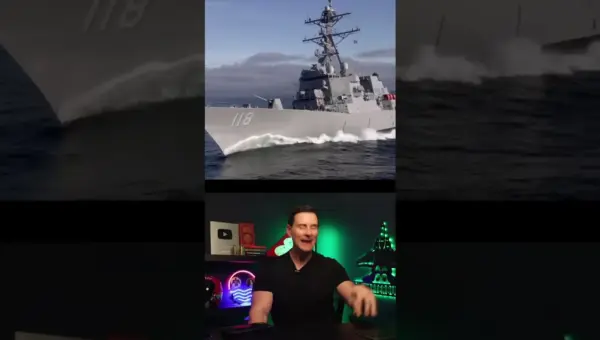
The article highlights the capabilities of U.S. Navy destroyers, calling them the ‘backbone’ of the fleet. These ships are powerful and heavily armed, but the most crucial element is the American sailor.
Over 300 warfighters on each ship operate around the clock, maintaining readiness in challenging conditions. Their dedication and skill are essential to the success of these missions.
Young sailors, some as young as 18 or 19, are trusted with significant responsibilities, such as navigating these warships through congested waters. The analogy used was driving a ‘sports car through a supermarket parking lot on a payday weekend.’ Decisions made in the Combat Information Center are critical, with these young men and women making real-time choices to identify and handle threats.
The article also paid tribute to fallen sailors, remembering Enson Robert Thompson, who died during the Battle of Okinawa. His sacrifice is a reminder of the courage and determination of those who serve. Current surface warfare sailors are urged to draw inspiration from these past heroes.
A Call for Wise Choices
Officials reiterated that Iran has an alternative: a prosperous future through a deal. However, the blockade will be maintained for as long as necessary.
If Iran chooses poorly, the consequence will be a blockade combined with strikes on its infrastructure. The Treasury Department is simultaneously maximizing economic pressure through Operation Economic Fury.
The message to Iran is clear: ‘choose wisely.’ The U.S. military is prepared to act decisively, stating they are ‘locked and loaded’ on Iran’s critical infrastructure. The preference is for a peaceful resolution through negotiation, but the military option remains fully prepared.
Critique of Media Coverage
A notable portion of the address criticized the American media’s coverage of the operation. Officials described the coverage as relentlessly negative and questioned the media’s alignment, calling it ‘unpatriotic.’ They contrasted this with the coverage of past events, like the Afghanistan withdrawal, which they felt was overly positive.
The speaker drew a parallel between the current media and the Pharisees in the Bible, who observed miracles but sought to find fault and accuse. This ‘legacy Trumphating press,’ blinded by political animus, was accused of failing to recognize the brilliance and success of American warriors and the administration’s achievements.
Specific examples of success cited included historic recruiting numbers for the Air Force and Space Force, which met higher goals five months ahead of schedule. The speaker questioned why these positive developments were not being reported, contrasting them with the ‘fake news’ label often applied to major outlets.
Broader Implications and Partnerships
The U.S. military’s ability to transition from combat operations to a blockade was highlighted, emphasizing their adaptability and readiness. The commitment to preventing Iran from obtaining nuclear weapons was restated as a primary objective.
The U.S. is also working with regional allies, who are described as ‘exceptional teammates.’ While many allies have offered support and shared intelligence, the U.S. expressed a desire for greater investment in collective defense capabilities. The message is that relying solely on America for heavy lifting in global security is unsustainable.
Discussions with Israeli leadership have reinforced close alignment and shared military objectives. The U.S. military’s actions are presented as demonstrations of American strength, resolve, and technological superiority, aimed at ensuring regional stability.
The article concludes with a direct appeal to Iran to choose a path that benefits its people and the world. Meanwhile, the U.S. military remains on high alert, prepared to enforce its objectives. The success of the blockade and the concurrent economic pressure represent a significant diplomatic and military maneuver.
Source: Watch live: Hegseth, Gen. Caine update on US-Iran peace talks (YouTube)

Related Articles
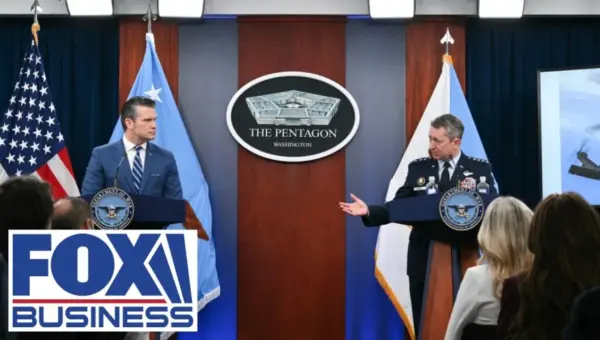
US Navy Maintains Ironclad Blockade on Iran
The U.S. Navy has implemented a strict blockade on Iran's ports, restricting all ship traffic to and from the country. This move is part of Operation Epic Fury, aimed at pressuring Iran to agree to a deal. Military officials emphasized readiness to resume combat operations if necessary and highlighted the strength of U.S. naval power and regional partnerships.


Stocks Surge as Geopolitical Fears Subside
The stock market is showing signs of a strong recovery, with analysts suggesting that recent lows may have passed. Historical data from past conflicts indicates that markets often bottom out early, creating a favorable risk-reward scenario for investors poised for potential new all-time highs.
US Navy Blockades Strait of Hormuz Amid Talks Collapse
The U.S. Navy has imposed a blockade on the Strait of Hormuz following the collapse of U.S.-Iran ceasefire talks. The action aims to counter Iran's mining of the strait and its attempts to charge tolls on global shipping. This move significantly escalates regional tensions and targets Iran's primary revenue source.