Ukraine Infantry Faces Rapid Russian Assaults
Ukrainian soldiers are facing intense combat characterized by rapid Russian assaults that can overwhelm positions within minutes. The psychological toll of this warfare is significant, with some soldiers becoming dependent on the adrenaline of direct combat. These tactics highlight a focus on speed and surprise by Russian forces.

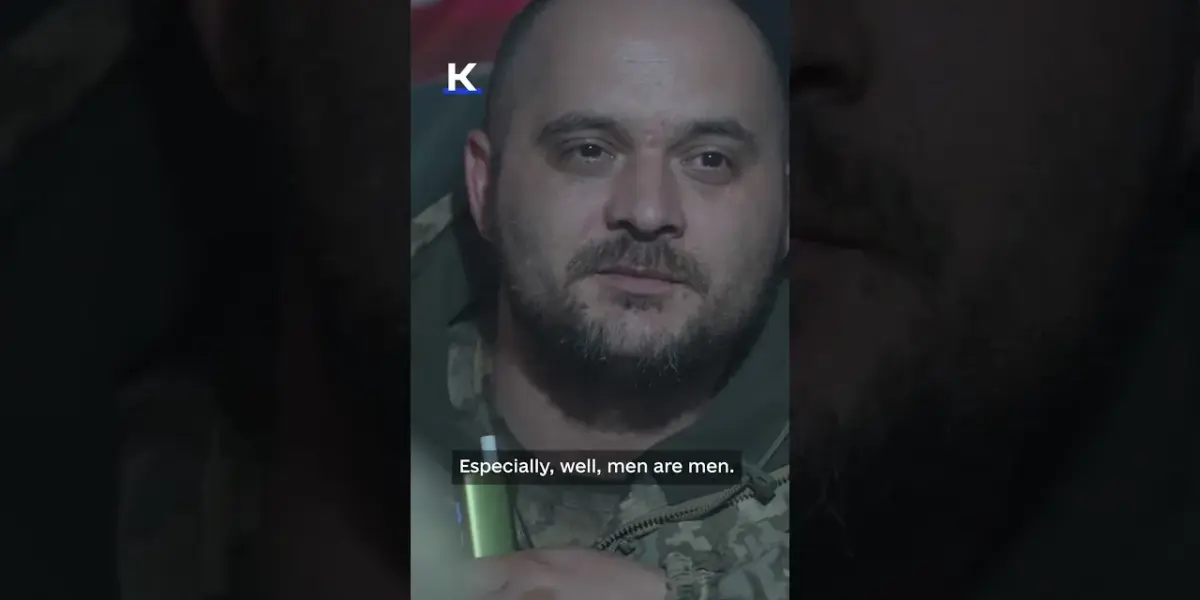
Ukraine Infantry Faces Rapid Russian Assaults
Ukrainian soldiers are describing intense and fast-paced combat situations where Russian forces can appear suddenly and overwhelm positions within minutes. These encounters often involve small groups of Russian soldiers, sometimes numbering two or three, who launch swift attacks. The element of surprise is a key factor, with attackers emerging from unexpected directions, such as behind buildings or from roads, making it difficult for Ukrainian defenders to anticipate their movements.
One soldier recounted how a brief moment of respite, like stepping out for a cigarette, could be immediately shattered by the appearance of enemy soldiers in close proximity. The speed of these assaults is described as extreme, leaving defenders only seconds to react. The combat is characterized by a rapid sequence of spotting a target, acquiring it, and neutralizing the threat.
The Human Element of Combat
The soldiers also touched upon the psychological and primal aspects of warfare. They acknowledged a deeply ingrained human instinct for aggression and a capacity for violence, particularly among men. This aspect of human nature is amplified in the battlefield environment by adrenaline and a sense of exhilaration, often referred to as ‘courage’ or ‘bravado’.
This intense combat experience can become addictive for some soldiers. A significant number of comrades have reportedly become desensitized to the horrors of war, finding themselves drawn to the adrenaline rush and the direct action of assaults. For these individuals, the regular combat routine, especially storming enemy positions, becomes a necessity for their well-being, leading them to actively seek out these dangerous situations.
Strategic Context and Battlefield Dynamics
The rapid nature of these Russian assaults suggests a tactical approach focused on exploiting momentary weaknesses and disrupting Ukrainian defensive lines through shock and speed. The use of small, agile groups allows for quick infiltration and reduces the enemy’s ability to mount a coordinated defense. This tactic is effective in creating confusion and disarray, potentially preventing defenders from effectively calling for reinforcements or organizing a sustained resistance.
The psychological impact on soldiers, as described, highlights the extreme stress and altered mental states common in prolonged combat. The rush of adrenaline and the desensitization to violence can lead to a dependence on high-stakes combat scenarios. This can drive soldiers to take greater risks, sometimes without fully considering the consequences, impacting unit cohesion and individual decision-making.
Broader Implications
These battlefield accounts offer a glimpse into the brutal realities faced by frontline infantry. The emphasis on speed and surprise by Russian forces indicates a strategy aimed at maintaining offensive momentum and preventing Ukrainian forces from establishing stable defensive positions. The psychological toll on Ukrainian soldiers, leading some to crave the intensity of combat, presents a complex challenge for military leadership, requiring careful management of troop morale and mental well-being.
The reliance on rapid, close-quarters engagements by small units could be a response to the challenges of large-scale maneuver warfare. It allows for flexibility and adaptability on the battlefield, but also carries significant risks for the soldiers involved. The descriptions highlight the importance of constant vigilance and rapid response capabilities for Ukrainian defenders.
The ongoing conflict continues to test the resilience and adaptability of both sides. Future engagements will likely see continued emphasis on these types of rapid assaults and the psychological fortitude of the soldiers enduring them.
Source: Ukrainian infantrymen on battlefield realities (YouTube)

Related Articles
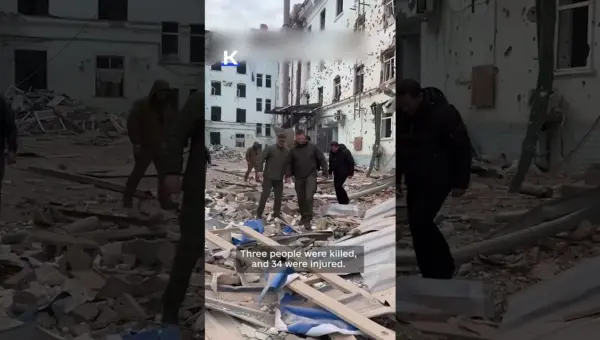
Russia Hits Ukraine Cities, Killing 16 in Missile Barrage
Russia launched a massive overnight missile and drone attack on April 16, killing at least 16 civilians in Kyiv, Dnipro, and Odesa. The assault destroyed homes and injured dozens, marking one of the deadliest strikes on Ukrainian civilians this year. The attack involved numerous ballistic missiles, cruise missiles, and drones.

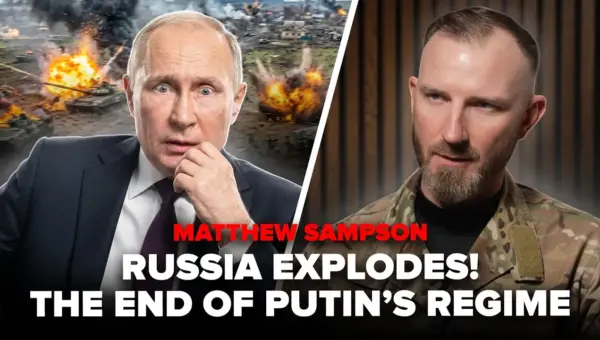
Ukraine’s Defenses Hold Against Russian Advances
Russian forces face strong Ukrainian defenses in Zaporizhzhia, with Ukrainian intelligence effectively identifying and capturing enemy soldiers. Matthew Samson, a former U.S. Marine and volunteer, reports on the ground situation, highlighting Ukrainian resilience, advanced tactics, and the importance of international cooperation.
Inside the Trenches: Ukraine’s Gritty Close-Combat Reality
Raw combat footage reveals the brutal reality of close-quarters trench warfare in Ukraine. Analysts discuss the tactics, dangers, and psychological toll faced by soldiers clearing enemy positions. The videos highlight the critical need for well-rounded troops and essential equipment.