Russia Hits Ukraine Cities, Killing 16 in Missile Barrage
Russia launched a massive overnight missile and drone attack on April 16, killing at least 16 civilians in Kyiv, Dnipro, and Odesa. The assault destroyed homes and injured dozens, marking one of the deadliest strikes on Ukrainian civilians this year. The attack involved numerous ballistic missiles, cruise missiles, and drones.

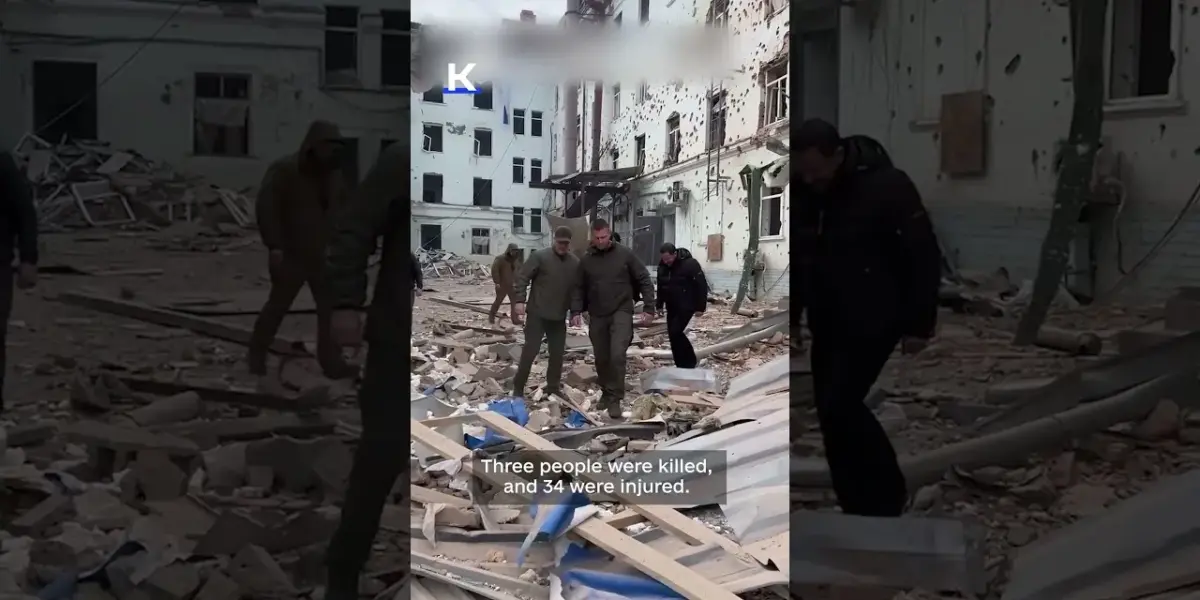
Russia Unleashes Deadly Overnight Strikes Across Ukraine
Russia launched a massive wave of missiles and drones on April 16, striking major Ukrainian cities. The attack destroyed homes, set buildings ablaze, and claimed civilian lives.
At least 16 people were killed and dozens injured in Kyiv, Dnipro, and Odesa during the overnight assault. This strike represents one of the deadliest Russian attacks on Ukrainian civilians in 2026.
Ukraine’s Air Force reported that Russia deployed a total of 19 ballistic missiles, 25 cruise missiles, and 659 drones. Of these, 12 missiles and 20 drones successfully hit 26 sites across Ukraine. Debris from Ukrainian air defense efforts also impacted 25 additional locations.
Kyiv Suffers Heavy Casualties
The capital city of Kyiv experienced its first major attack in over a month. Overnight strikes there killed at least four people, including a 12-year-old child. Another 48 people were injured, according to Ukraine’s State Emergency Service.
Kyiv Mayor Vitali Klitschko stated that 26 of the injured required hospitalization. He also noted that emergency medics and children were among the victims.
Other Cities Face Devastation
The city of Odesa, a vital southern port, suffered significant losses with at least nine people killed in the overnight Russian attack. In the central-eastern city of Dnipro, authorities reported that at least two people died. These figures were confirmed by local authorities and the State Emergency Service.
Strategic Implications
This widespread attack demonstrates Russia’s continued effort to target Ukrainian population centers and critical infrastructure. By launching missiles and drones at multiple cities simultaneously, Russia aims to stretch Ukraine’s air defense capabilities thin.
The targeting of cities like Kyiv, Odesa, and Dnipro, which are important hubs for transport and population, seeks to disrupt Ukrainian logistics and morale. Odesa, in particular, is crucial for Ukraine’s maritime trade and access to the Black Sea, making its disruption a strategic objective.
The sheer volume of drones mentioned suggests a tactic designed to overwhelm air defenses. Drones, often less expensive than missiles, can be used in large numbers to saturate enemy radar systems, allowing more valuable assets like cruise and ballistic missiles to reach their targets. This approach mirrors tactics seen in other modern conflicts where swarming drone attacks test the resilience of air defense networks.
Historical Parallels
Mass aerial bombardments of civilian areas have a long and grim history in warfare. During World War II, cities like London, Dresden, and Tokyo were subjected to extensive bombing campaigns by both Axis and Allied forces.
These attacks aimed to break enemy will and cripple industrial capacity. Modern missile and drone strikes, while more precise, carry similar destructive potential against urban environments and civilian populations.
The use of ballistic and cruise missiles by Russia represents strategic weapons designed for deep strikes. Ballistic missiles, like a thrown ball, follow a high, arcing trajectory before descending rapidly on their target, making them difficult to intercept. Cruise missiles, on the other hand, fly lower to the ground, often following terrain, and can be guided throughout their flight, making them more maneuverable but potentially easier to detect by radar.
Geopolitical Impact
Such large-scale attacks on civilian areas inevitably increase international pressure on Russia. They also reinforce the need for continued military and financial support for Ukraine from its Western allies. The effectiveness of Ukraine’s air defenses in intercepting these threats directly influences the level of destruction and casualties, and thus the ongoing debate among allies about providing more advanced air defense systems.
The conflict’s continuation with such high-intensity strikes highlights the ongoing human cost. The international community watches closely as Ukraine works to defend its cities and citizens. The April 16th attacks serve as a clear reminder of the war’s devastating impact on ordinary people.
Source: Russia slams Ukrainian cities in mass missile attack (YouTube)

Related Articles


Italy, Ukraine Forge Defense Pact on Drones
Italy and Ukraine have agreed to explore joint production of drones and defense equipment, expanding military cooperation. Prime Minister Meloni reaffirmed Italy's support for Ukraine, emphasizing strategic necessity for European security. President Zelenskyy highlighted the need for enhanced air defense amidst ongoing Russian attacks.


Ukraine’s Defenses Hold Against Russian Advances
Russian forces face strong Ukrainian defenses in Zaporizhzhia, with Ukrainian intelligence effectively identifying and capturing enemy soldiers. Matthew Samson, a former U.S. Marine and volunteer, reports on the ground situation, highlighting Ukrainian resilience, advanced tactics, and the importance of international cooperation.


Inside the Trenches: Ukraine’s Gritty Close-Combat Reality
Raw combat footage reveals the brutal reality of close-quarters trench warfare in Ukraine. Analysts discuss the tactics, dangers, and psychological toll faced by soldiers clearing enemy positions. The videos highlight the critical need for well-rounded troops and essential equipment.