US Tightens Grip: Iran Blockade Targets Revolutionary Guard
The United States has initiated a naval blockade of Iran, targeting the revenue streams of the Islamic Revolutionary Guard Corps (IRGC). This strategy aims to halt Iran's oil exports and smuggling operations, applying direct financial pressure. While the blockade presents challenges, including potential Iranian retaliation and land-based supply routes, it marks a significant escalation in U.S. policy.

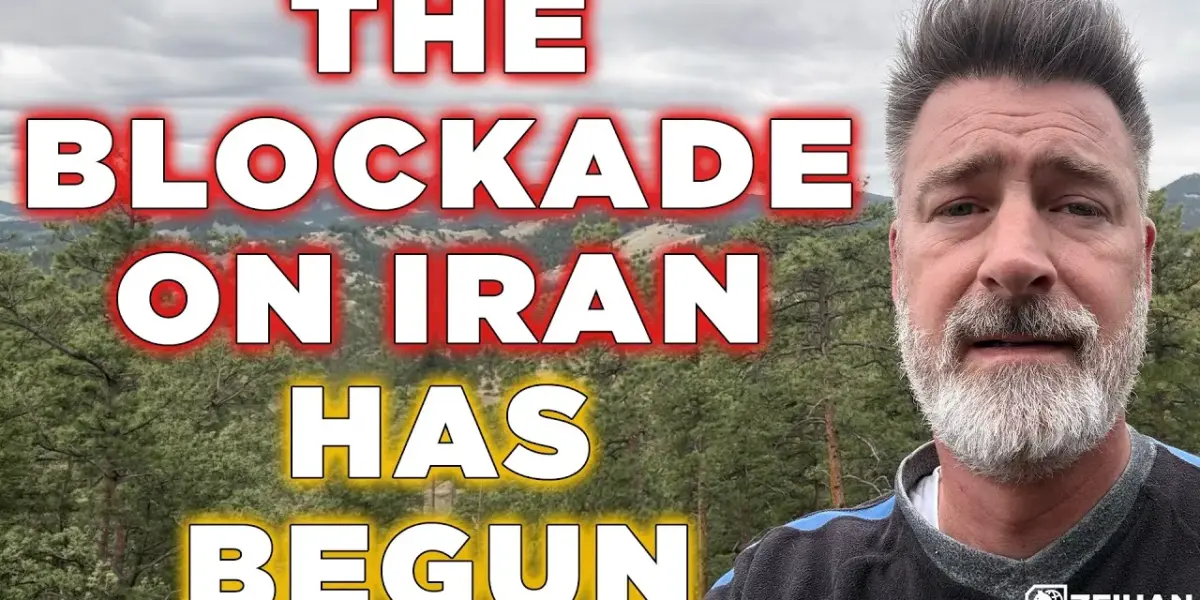
US Tightens Grip: Iran Blockade Targets Revolutionary Guard
The United States has begun a naval blockade of Iran, aiming to cut off its oil exports and smuggling operations. This move directly targets the Islamic Revolutionary Guard Corps (IRGC), a powerful military and economic force within Iran.
The blockade, which started on April 15, prevents any ship from docking at or leaving an Iranian port. U.S. naval forces are positioned to board vessels that try to defy the blockade, signaling a significant escalation in pressure.
This strategy differs from previous U.S. and Israeli attacks that killed Iranian leadership. Those attacks weakened the government but allowed the IRGC, which profits heavily from oil sales and smuggling, to maintain its influence.
By blocking ports, the U.S. aims to stop the IRGC’s estimated 2 million barrels of daily oil exports and halt its ability to import goods for smuggling. This approach, whether planned or accidental, focuses pressure on the IRGC’s financial lifelines.
IRGC’s Power and Potential Retaliation
The IRGC’s power stems not just from military might, but from controlling oil revenue and smuggling networks. Previous U.S. actions, while damaging Iran’s public economy, did little to hurt the IRGC’s core operations.
The new blockade directly impacts their income, making it a more effective tool. However, this increased pressure could provoke retaliation from the IRGC, which controls Iran’s missile and drone fleets.
The IRGC has shown it can strike energy facilities across the Persian Gulf. They possess the capacity to hit critical oil infrastructure on the Arab side of the Gulf. The U.S. blockade, therefore, carries the risk of escalating conflict and potential attacks on vital energy supplies.
China’s Role and Supply Lines
Iran relies heavily on China for parts needed to build its missiles and drones. Historically, China could ship these components to Iran, even when shipping lanes were disrupted. Now, with the blockade in place, the U.S. aims to disrupt this supply chain.
While Iran has a large existing stock of drones, cutting off new components will eventually affect its military capabilities. The blockade makes it harder for China to send necessary parts. This is a crucial aspect of the U.S. strategy, seeking to limit Iran’s ability to rearm and maintain its drone and missile programs.
Challenges to the Blockade
Maintaining a blockade at the Strait of Hormuz, the main entrance to the Persian Gulf, is relatively straightforward. U.S. naval assets can easily monitor and control traffic there. However, Iran has a port in Chabahar, located in the Gulf of Oman near the Pakistani border.
Securing Chabahar would require a separate blockade, stretching U.S. naval forces thinner. If Chabahar remains open, Iran could still receive container shipments of drones and other goods, which could then be transported overland. This port presents a significant challenge to the complete effectiveness of the blockade.
Land Routes and Future Scenarios
Beyond naval access, Iran’s land borders with Pakistan, Afghanistan, and Central Asian countries offer another potential entry point for supplies. China could use rail and truck routes through these regions to send components to Iran.
While these land routes are slower and more expensive, they could still allow goods to reach Iran. If China begins using these routes today, new components might not arrive for about three weeks. This timeframe offers a window for further diplomatic developments or potential shifts in the conflict.
The Stakes for the US and Iran
The U.S. blockade represents a significant policy shift, aiming to pressure Iran’s leadership directly. If the U.S. were to end the blockade prematurely or declare victory without concessions, it could leave Iran in a stronger position. This would allow Iran to continue its nuclear program and support regional militant groups, undermining U.S. interests.
Many within the Republican party now understand that a simple withdrawal is not a viable option. The current strategy, focused on hitting the IRGC’s financial interests, is seen as the first effective measure to force Iran to change its behavior. The success of this blockade will depend on its duration, enforcement, and Iran’s response.
Global Impact
The U.S. blockade of Iran has major implications for global energy markets and regional stability. Disrupting Iran’s oil exports, even temporarily, can affect oil prices worldwide. The potential for retaliation also raises concerns about the security of vital shipping lanes in the Persian Gulf, which are crucial for global trade.
This action could also reshape alliances in the Middle East. Countries dependent on Iranian oil or trade may face difficult choices.
The effectiveness of the blockade will be closely watched by other nations considering similar pressure tactics against adversaries. It highlights the growing use of economic and naval blockades as tools of foreign policy in the 21st century.
Historical Context
Naval blockades have a long history in international conflict, used to cut off an enemy’s supplies and cripple their economy. Examples include the Union blockade of the Confederacy during the American Civil War and the Allied blockade of Germany in World War I. These actions aim to exert maximum pressure without direct invasion.
Iran’s own history includes challenging maritime traffic through the Strait of Hormuz. The current U.S. blockade is a response to Iran’s past actions and its broader regional ambitions. This move is part of a larger geopolitical struggle for influence in the Middle East, echoing past tensions over energy resources and strategic waterways.
Economic Leverage
The primary economic leverage in this situation is the blockade itself, targeting Iran’s oil revenue, which funds the IRGC. By stopping oil exports, the U.S. aims to starve the IRGC of funds. This economic pressure is designed to force Iran to negotiate or alter its foreign policy and support for regional proxies.
The reliance on Chinese components for military hardware also represents an economic vulnerability. Disrupting this supply chain imposes costs on Iran and potentially on Chinese companies involved. The U.S. is using its naval power to enforce economic sanctions more effectively.
Regional Alliances and Rivalries
The blockade intensifies existing rivalries, particularly between Iran and its Gulf Arab neighbors, as well as Israel. These nations often view Iran’s regional activities and support for militant groups as a direct threat.
The U.S. blockade could strengthen ties between the U.S. and its regional allies who seek to contain Iran. However, it also risks alienating other countries or creating instability that affects all regional players. The response from countries like China and Russia, who have economic ties with Iran, will be critical.
Future Scenarios
One scenario is that the blockade succeeds in crippling the IRGC, forcing Iran to negotiate concessions. This would likely involve Iran altering its support for proxy groups and potentially reining in its nuclear program. The U.S. would need to sustain the blockade long-term for this to occur.
Another scenario involves Iranian retaliation, potentially targeting oil tankers or energy infrastructure in the Gulf. This could lead to a wider conflict, impacting global energy supplies and drawing in other regional powers. A third possibility is a stalemate, where the blockade is maintained but fails to force significant policy changes, leading to prolonged tension.
A final scenario involves Iran finding ways to circumvent the blockade through land routes or illicit shipping, diminishing the blockade’s effectiveness. This would require significant investment and time from Iran and its partners, but could allow it to weather the pressure.
The next steps to watch include how effectively the U.S. can enforce the blockade, particularly at Chabahar. Observing whether Iran attempts to retaliate or seeks new supply routes will be crucial. Diplomatic efforts and potential negotiations will also indicate the path forward.
Source: The Blockade of Iran Begins || Peter Zeihan (YouTube)

Related Articles
US Demands UN Return to Roots, Fight China’s Grip
The US is pushing for significant reforms at the United Nations, aiming to refocus the organization on peace and security. Key goals include countering Chinese influence and ending the abuse of UN systems, such as China's developing nation status.
Trump’s Cuba Blockade Fuels Humanitarian Crisis
Reports indicate Donald Trump is escalating actions against Cuba, creating a severe humanitarian crisis through a three-month oil blockade. This "economic war" cripples essential services, harming vulnerable populations and pushing Cuba closer to Russia.
Russia Eyes China as Energy Lifeline Amid Global Shifts
Russia is signaling an increase in energy exports to China ahead of President Putin's visit, highlighting deepening ties amidst global market disruptions. This strategic pivot east is a direct response to Western sanctions and Europe's phasing out of Russian imports.