Booking.com Hackers Use AI for Scams, Steal Travel Data
Booking.com has confirmed a data breach allowing hackers to steal customer contact and booking details. These details are reportedly being used in AI-powered phishing scams via WhatsApp and email, impersonating staff to request payment verification. Users are advised to check for PIN resets, avoid clicking suspicious links, and contact hotels directly for payment queries.


Booking.com Data Breach Exposes Customers to AI-Powered Scams
Travelers using Booking.com are at risk after a major data breach. The company confirmed that hackers gained unauthorized access to customer information. This breach allowed criminals to steal contact details and specific booking information from users.
While Booking.com states that financial data was not compromised, the stolen travel details are being used for sophisticated phishing attacks. Hackers are reportedly sending realistic scams through WhatsApp and email, likely using artificial intelligence (AI) to make them convincing. These scams impersonate Booking.com staff, often claiming a need for payment verification to prevent booking cancellations.
How Hackers Are Exploiting the Breach
The attackers are leveraging the personal information obtained from the breach to create highly targeted scams. They can impersonate hotel staff or Booking.com representatives, making their messages seem legitimate. The goal is to trick customers into providing payment details or other sensitive information under the guise of resolving a booking issue.
For example, a scammer might send a message saying, “Your booking is at risk due to a payment issue. Please verify your details to avoid cancellation.” This plays on the fear of losing a planned trip, making recipients more likely to act quickly without careful thought.
Protecting Yourself from Travel Scams
Booking.com has taken steps to protect affected users. The company has proactively reset reservation PINs for those whose data was accessed. Customers should check their official Booking.com email accounts for notifications about this action.
Experts advise travelers to remain vigilant. Never click on payment links directly from WhatsApp messages or unsolicited emails. If a hotel or booking platform requests money unexpectedly, it is crucial to contact them directly through official channels to confirm the request’s legitimacy.
Key Security Recommendations
- Check your official Booking.com email for PIN reset notifications.
- Do not click on payment links in suspicious messages.
- Contact hotels or Booking.com directly to verify any payment requests.
- Consider changing your Booking.com password and your linked email password.
- Take a moment to think before entering personal or financial details online.
The Role of AI in Modern Phishing
The use of AI in these phishing attacks is a growing concern. AI can generate highly personalized and grammatically correct messages that are difficult to distinguish from genuine communications. This technology allows scammers to operate at a larger scale and with greater effectiveness.
AI can analyze stolen data to craft messages that perfectly mimic the tone and style of legitimate companies. This makes the scams more believable, increasing the chances of success for the cybercriminals. This development highlights the need for constant adaptation in cybersecurity defenses.
What to Do If You Are a Victim
If you suspect you have been targeted or have fallen victim to a scam, report it immediately. Contact Booking.com customer support and your bank or credit card company if you shared financial information. Changing your passwords is also a vital step to prevent further unauthorized access.
Staying informed about these threats is key to protecting yourself. Always question unexpected requests for information or money, even if they appear to come from a trusted source. A moment of caution can prevent significant financial loss and personal distress.
Looking Ahead: Increased Vigilance for Travelers
As cyber threats evolve, travelers must remain extra cautious. The Booking.com incident is a clear reminder of the risks involved in online bookings. Future booking platforms and users alike will need to prioritize robust security measures and heightened awareness.
Customers should continue to monitor their accounts and communications for any suspicious activity. The ongoing battle against sophisticated cybercrime requires constant vigilance from both companies and individuals. Be sure to verify all booking details and payment requests through official channels before taking any action.
Source: Booking.com Breach – AI-powered Phishing? | DW News (YouTube)

Related Articles


Actress Wears Bulletproof Vest Amid Death Threats Over Deep Fakes
German actress Collien Fernandes is now wearing a bulletproof vest and has security due to death threats received after accusing her ex-husband of creating deep fake pornography. Her public appearance at a protest highlights the dangers victims face and calls for better online protection. The case also brings attention to Germany's legal struggles with addressing deep fake abuse.

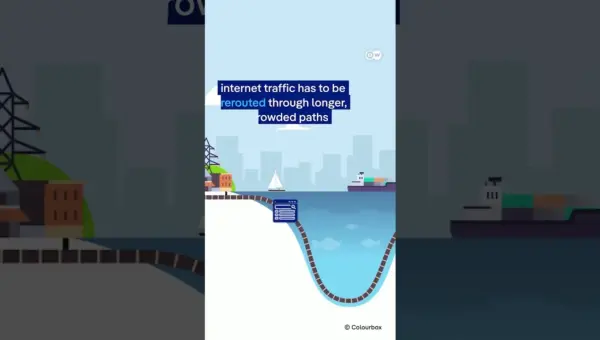
Iran War Disrupts Global Internet: Submarine Cables at Risk
The conflict in Iran is impacting global internet access by threatening crucial undersea cables in the Persian Gulf, Strait of Hormuz, and Red Sea. Damage to these data highways forces traffic onto slower routes, causing slowdowns and potential outages far beyond the region. Repairing the cables is also extremely difficult due to ongoing hostilities, leaving them vulnerable for extended periods.


DHS Shutdown Threatens National Security, Workforce
A prolonged shutdown of the Department of Homeland Security (DHS) is creating significant national security risks and severely impacting its workforce. Agencies like TSA, Coast Guard, and CISA are struggling with staffing shortages, operational disruptions, and morale issues due to missed paychecks and funding uncertainty.