Senate Blocks Limits on Trump’s War Powers Against Iran
The U.S. Senate has voted against limiting President Trump's war powers concerning Iran, rejecting a resolution that aimed to restrict his ability to order further military strikes. Democrats have repeatedly pushed for such limitations, citing concerns over potential escalation and the cost of conflict. Despite some bipartisan unease, the measure failed to gain sufficient support.

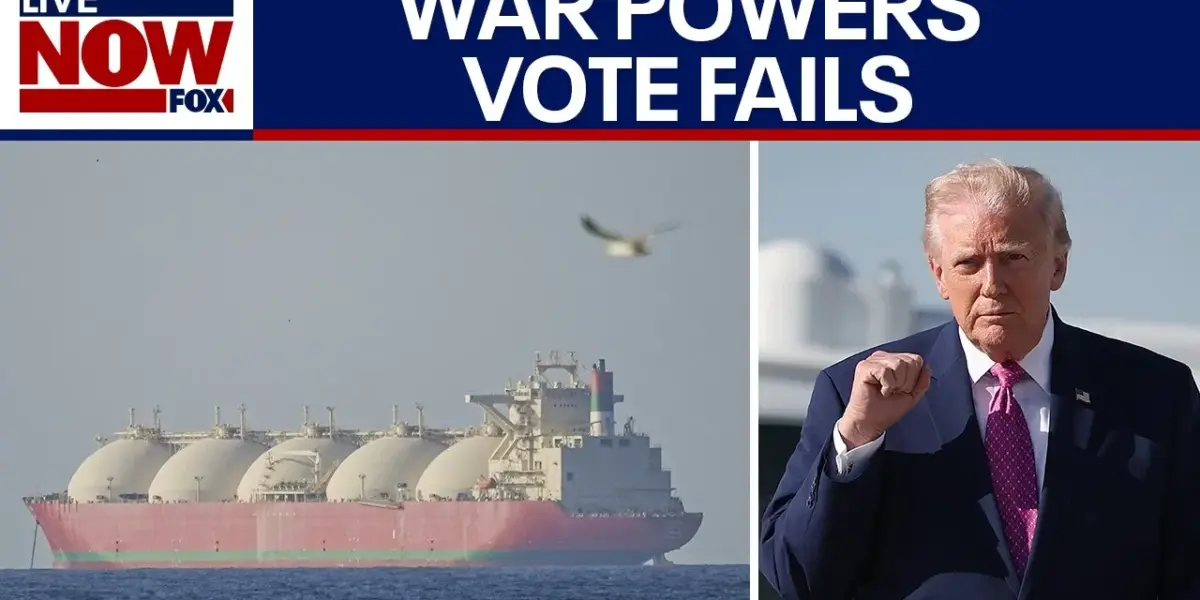
Senate Rejects Limits on Presidential War Powers
The United States Senate has rejected a resolution that would have limited President Trump’s authority to engage in military action against Iran. The vote, which took place recently, saw the Senate fail to pass the measure, meaning the President retains his current war-making powers regarding Iran. This decision comes amid growing unease among some lawmakers about the potential for wider conflict.
Democrats Push for War Powers Control
The failed resolution was part of a broader effort by Democrats to rein in presidential war powers. Senator Tammy Duckworth has been a leading voice in this push, repeatedly bringing forward votes on her war powers resolution. She stated her intention to force a vote, calling the potential conflict with Iran “needless and expensive.” Duckworth argued that the American people do not desire increased costs, misleading information, or chaos stemming from such actions.
Speaking before the vote, Senate Majority Leader Chuck Schumer highlighted the significance of the moment. He noted that this was the fourth war powers resolution Democrats have brought forward since the conflict began.
Schumer challenged Republicans, stating that if they voted no again, Democrats would continue to force weekly votes. He urged them to find the courage to oppose President Trump on this issue or help bring the war to an end.
Vote Breakdown and Key Figures
The final tally for the resolution was 47 in favor and 52 against, indicating a clear majority against limiting the President’s powers in this instance. The motion to bring the resolution from the Foreign Relations Committee to the Senate floor was not agreed upon. This procedural step is crucial for allowing a full Senate debate and vote on the underlying resolution.
Notable votes included Democratic Senator John Fetterman, who voted against the resolution, and Republican Senator Rand Paul, who voted in favor. Senator Joe Manchin, a key moderate Democrat, did not vote on this particular resolution. The differing votes among senators highlight the complex and often divided opinions within Congress regarding foreign policy and military engagement.
Context of Escalating Tensions
This vote occurs in the context of heightened tensions between the United States and Iran. President Trump had previously made strong statements, including a threat to “destroy Iran’s whole civilization,” which raised significant alarm among both domestic and international observers. Such rhetoric has fueled concerns about the potential for miscalculation and unintended escalation, making the debate over war powers particularly urgent for some members of Congress.
The War Powers Resolution of 1973 is a federal law intended to check the U.S. president’s power to commit the U.S. armed forces to armed conflict without the consent of Congress. It requires the president to notify Congress within 48 hours of committing armed forces to military action and prohibits them from remaining engaged for more than 60 days without a declaration of war or specific congressional authorization. However, its effectiveness and interpretation have been subjects of ongoing debate.
Republican Concerns and Democratic Strategy
While the majority of Republicans voted against limiting the President’s powers, the transcript indicates that some Republicans have expressed increasing concerns about the war. This suggests a potential for shifting opinions within the party as the situation evolves. The Democratic strategy of repeatedly forcing votes aims to put pressure on these wavering Republicans and to keep the issue of war powers in public and congressional focus.
By forcing these votes, Democrats seek to highlight what they view as executive overreach and to assert congressional authority. They hope that continued votes will either force Republicans to join them or make it politically difficult for them to continue supporting actions they may privately question. This legislative tactic serves to document each senator’s stance on the issue for their constituents.
Looking Ahead
The Senate’s rejection of this resolution signifies that the President’s authority to conduct military operations against Iran remains largely unchecked by Congress for now. However, the consistent efforts by Democrats to bring these votes to the floor indicate that the debate over war powers is far from over. Future actions by the administration concerning Iran, along with continued political pressure from Congress, will shape the ongoing discussion about the balance of power in foreign policy decisions.
Source: Senate vote to limit Trump's war powers fails (YouTube)

Related Articles

Iran Talks Resume as Trump Faces Costly Compromise
Renewed diplomatic efforts are underway as the U.S. and Iran engage in talks aimed at de-escalating rising tensions. Reports suggest a potential deal mirroring past agreements, focusing on limiting Iran's uranium enrichment. This comes after a period of conflict that saw significant costs and damaged U.S. global standing.
Trump’s War Claims Spark Stupidity or Insanity Debate
Donald Trump's recent claim that 'nobody has ever ended one war' has sparked debate about his mental state and political awareness. Experts and critics point to his past statements and actions, including his handling of the Strait of Hormuz conflict, raising concerns about his fitness for office. The upcoming elections are seen as a critical juncture for assessing his political standing.

UK Parliament Member Slams Trump: ‘Dangerous Gangster’
A member of the British Parliament has sharply criticized former U.S. President Donald Trump, calling him a "dangerous and corrupt gangster." This condemnation reflects growing international concern over Trump's potential return to power and his foreign policy approach. The remarks highlight a global backlash amid fears of increased conflict, particularly regarding Iran.