Russia’s War Death Toll Silence Fuels Public Uncertainty
Russian state media is maintaining a strict silence on the country's war casualties in Ukraine, preventing the public from accessing official figures. While independent outlets attempt to track losses, a majority of Russians reportedly favor peace talks over continued conflict, according to polling data.

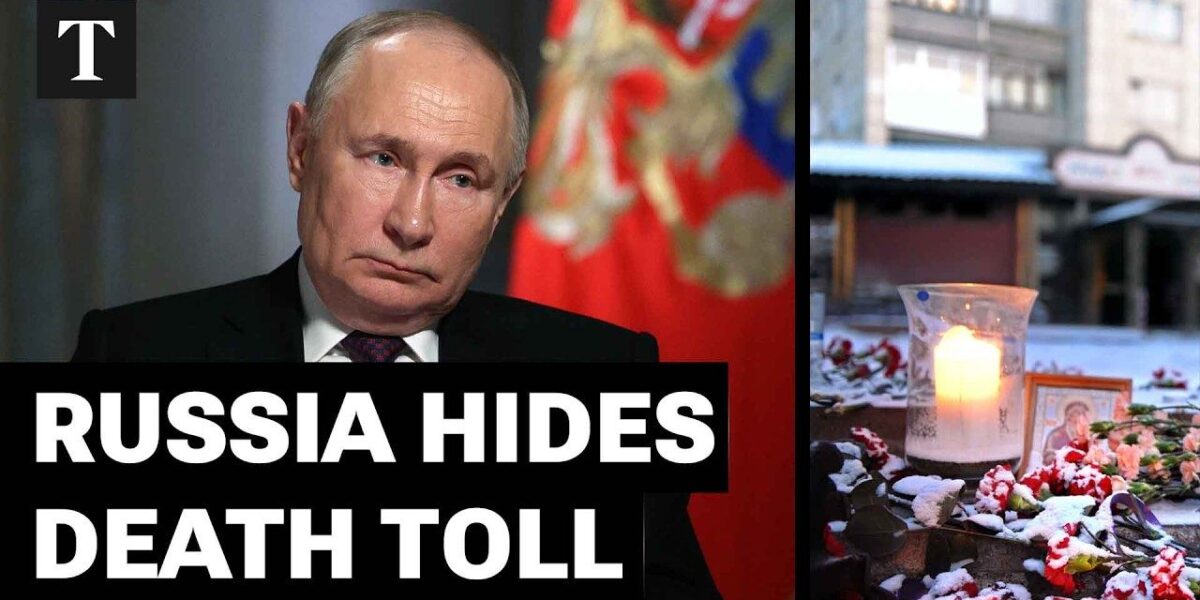
Kremlin Maintains Information Blackout on War Casualties
In Russia, state-controlled media has largely remained silent on the human cost of the ongoing conflict in Ukraine, a deliberate information strategy that masks the true scale of Russian losses from the public. Independent news sources are either blocked or silenced, leaving citizens with a heavily curated narrative that focuses exclusively on alleged Ukrainian casualties while omitting any official figures for Russian soldiers killed or wounded.
Official Silence on Casualties
Russian officials have consistently refrained from reporting casualty figures to the domestic public. Instead, the focus is invariably placed on exaggerating Ukrainian losses. This information vacuum prevents ordinary Russians from grasping the reality of the war’s impact on their own forces. Farida Rustamova, author of the Aari Daily Substack, highlighted this critical information gap, stating, “No. Uh the fact is that there is no information about the death toll of of the war in Russian state media and state media are the main media. They’re dominating inside the country.” She further elaborated, “All the independent sources are being blocked and silent in many many different ways. Um and Russian officials they do not report about the casualties to the public at all and they only talk about Ukrainian losses and they exaggerate exaggerating this information.”
Independent Efforts to Track Losses
While the state actively conceals casualty data, independent media outlets are undertaking the arduous task of gathering this information. These organizations are meticulously compiling data on Russian dead and wounded, often through painstaking manual efforts, all while operating under the pressure of state efforts to suppress such reporting. Rustamova noted the difficulty of this endeavor, explaining, “only independent media gather the data about the dead and wounded and they do this all by hand and um they’re doing this while the Russian state does all it can to hide this information. So no, I mean it’s it’s it’s not something that Russian people can discuss because there’s literally no information about it.”
Public Opinion: A Nuanced Picture
Despite the lack of official reporting, polling data offers a complex view of public sentiment. A January 2024 survey by the Levada Center indicated that 76% of Russians claim to support the actions of the Russian army in Ukraine, with only 18% expressing opposition. However, Rustamova cautioned against interpreting these figures at face value, emphasizing the repressive environment within Russia. “if we’re talking about the support among the Russian population, I think we should be very careful when we’re looking at the polling data for example and interpreting it uh because it’s yeah it’s really important to keep in mind that Russia is a dictatorship and you can go to jail for speaking out against the war,” she explained.
The Desire for Peace Talks
A more telling indicator, according to Rustamova, is the public’s preference for peace talks over continued military engagement. When asked whether the conflict should continue or move towards negotiations, a majority of Russians expressed support for peace talks, a trend observed since 2022. “But there’s another question. There’s another question. And this is the way how um the researchers are trying to grasp the real information from in in in current circumstances in Russia. And they ask another question. So when asked about should the war continue or should there be peace talks most Russians support peace talks and it’s a long-term trend since 2022. And I think this is a more telling indicator uh than than a direct question, direct answer,” Rustamova stated.
Economic Strain and Military Spending
Russia’s economy is increasingly oriented towards a war footing, with significant industrial capacity dedicated to munitions manufacturing. Soldiers are often offered higher pay than in civilian roles, a strategy that may bolster recruitment but places a strain on national resources. Estimates from the Center for Strategic and International Studies suggest Russia has sustained over 1.2 million total casualties since the invasion began. The nation’s economic growth was reportedly 1% last year, a figure that belies deeper structural challenges.
Economic Stagnation and Future Choices
Experts widely agree that the Russian economy is stagnating, despite military-driven growth in recent years. Oil and gas revenues, crucial for the Russian economy, reportedly fell to a record low in 2025. This decline, coupled with stagnation, limits the government’s ability to significantly increase state spending. While Russia may be able to sustain its current high levels of military expenditure for several more years, this comes at the cost of development in infrastructure and human capital. The choice between continued military investment and domestic progress presents a critical dilemma for the Kremlin, the outcome of which remains uncertain.
Looking Ahead
The persistent information blackout on Russian casualties, contrasted with the public’s expressed desire for peace, creates a palpable disconnect within Russian society. As the conflict grays on, the sustainability of high military spending versus domestic needs will become an increasingly pressing issue. The extent to which the Kremlin can maintain its narrative control and manage the economic consequences of prolonged warfare will be critical factors to watch in the coming months.
Source: Russian State Media Has Not Reported The Russian Death Toll (YouTube)

Related Articles
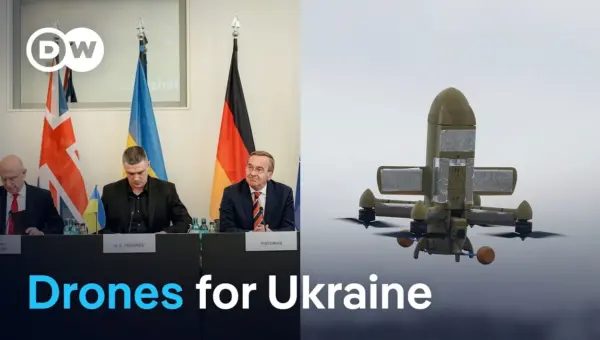
UK Pledges 120,000 Drones to Ukraine in Major Aid Package
Britain has pledged 120,000 drones to Ukraine, marking its largest aid package of its kind, during a meeting of the Ukraine Defense Contact Group in Berlin. The meeting highlighted both strong international solidarity and ongoing challenges in aid delivery, as Germany also boosts its own defense capabilities.

Russia’s War Costs Strain Putin’s Elite Bargain
Russia's prolonged war in Ukraine is straining President Putin's grip on power. Declining oil revenues and escalating military costs are forcing internal power shifts, with intelligence services reportedly gaining influence. This financial pressure is creating significant discontent among the elite and risking broader instability within the Kremlin.
Ukraine Strikes Russian Oil, Army Pushes Westward
Ukraine's spring offensive is underway, with Ukrainian forces making gains and forcing difficult choices for the Russian army. Meanwhile, Ukraine has intensified drone strikes on Russian oil infrastructure, aiming to cut off war funding. International interest in Ukraine's drone technology is growing, potentially reshaping global defense markets.