Democrats Deliver Sharp Rebuttals to Trump’s State of the Union
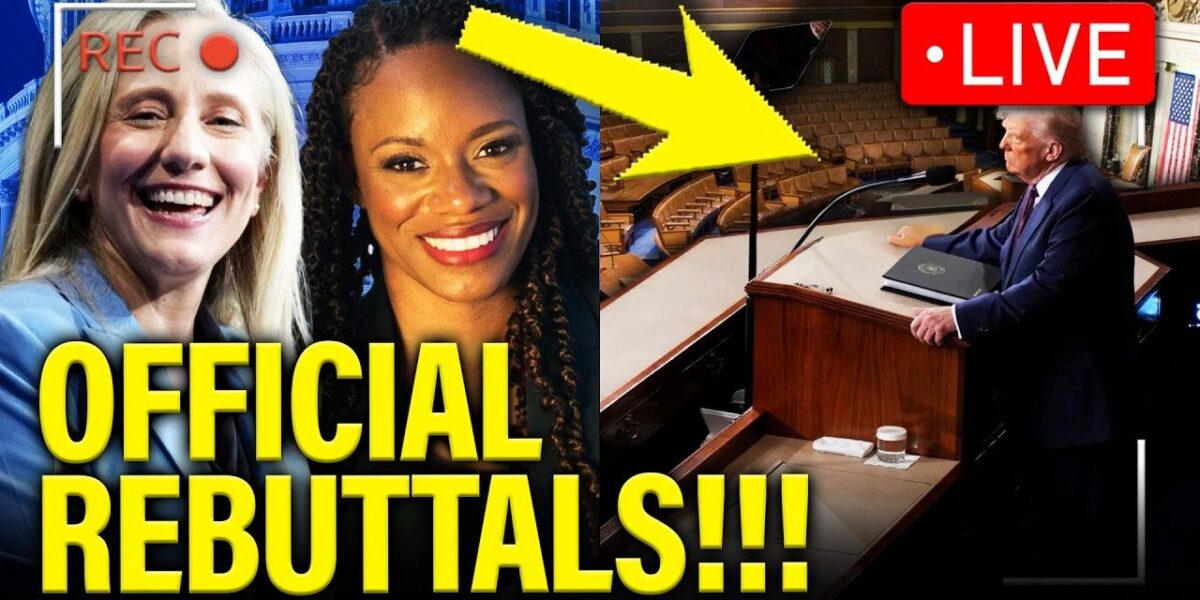
Virginia Governor Abigail Spanberger and Representative Summer Lee delivered official Democratic rebuttals to President Trump's State of the Union address. Spanberger focused on economic fairness and unity, while Lee championed a progressive agenda for working families.

Democrats Offer Contrasting Visions in State of the Union Rebuttals
Following President Donald Trump’s State of the Union address, Democratic leaders presented their party’s official rebuttals, offering a starkly different perspective on the nation’s condition and future. Virginia Governor Abigail Spanberger delivered the Democratic Party’s response, while Representative Summer Lee presented the Working Families Party’s counter-narrative, both aiming to challenge the President’s assertions and highlight alternative policy priorities.
Spanberger Challenges Trump’s Narrative on Economy and Unity
Virginia Governor Abigail Spanberger, speaking on behalf of the Democratic Party, directly contested President Trump’s portrayal of the economy and his calls for national unity. Her rebuttal focused on what Democrats view as the administration’s failures in key areas, including healthcare, economic inequality, and environmental policy. Spanberger emphasized the importance of bipartisan cooperation and a more inclusive vision for America, contrasting it with what she characterized as divisive rhetoric from the President.
“The President’s address painted a picture of prosperity and progress, but for many Americans, the reality is far different,” Spanberger stated, according to the analysis provided by MeidasTouch. She highlighted concerns about rising costs for working families, the accessibility of healthcare, and the long-term implications of the administration’s policies on climate change. The Governor sought to pivot the national conversation towards Democratic solutions, advocating for investments in education, infrastructure, and social safety nets.
“We believe in a government that works for everyone, not just the privileged few,” Spanberger remarked, underscoring the core Democratic tenet of economic fairness.
Spanberger’s remarks were framed within the context of her own political background as a former CIA officer, lending an air of seriousness and reasoned debate to her critique. Her address aimed to resonate with moderate voters and those disillusioned by partisan gridlock, presenting a call for a more pragmatic and collaborative approach to governance.
Lee Highlights Working Families’ Struggles and Progressive Agenda
Representing the Working Families Party, Representative Summer Lee offered a more pointed critique, focusing on the struggles of working-class Americans and advocating for a progressive agenda. Lee’s rebuttal emphasized issues such as income inequality, the need for stronger labor protections, and the urgency of addressing systemic injustices. She positioned the Working Families Party as the true voice for those left behind by the current economic system and critical of policies she argued disproportionately benefit corporations and the wealthy.
“While the President speaks of a booming economy, millions of families are struggling to make ends meet, facing stagnant wages and the ever-increasing cost of living,” Lee asserted. Her address drew attention to the need for policies that support unions, ensure affordable housing, and provide universal access to healthcare and education. Lee’s message was a clear call to action for a fundamental shift in economic priorities, moving away from trickle-down economics towards a system that uplifts all workers.
Lee’s perspective also touched upon social justice issues, framing economic policy as intrinsically linked to racial and social equity. She called for bold action to dismantle systemic barriers and create a more just society for all Americans, regardless of their background. The Working Families Party, through Lee’s remarks, sought to galvanize its base and appeal to voters seeking more transformative change.
Broader Implications and Political Landscape
The dual rebuttals from the Democratic Party and the Working Families Party underscore the diverse ideological currents within the broader opposition to President Trump’s agenda. While Spanberger aimed for a message of unity and pragmatic solutions, appealing to a wider electorate, Lee championed a more progressive platform, energizing a key segment of the Democratic base.
These responses serve as crucial counterpoints to the President’s narrative, framing the upcoming political debates and setting the stage for future policy battles. The MeidasTouch Network, which provided the platform for these official rebuttals, highlighted the importance of offering these alternative perspectives to the public. Their role in curating and distributing these responses emphasizes the ongoing efforts to shape public opinion and counter the dominant political messaging.
The effectiveness of these rebuttals will be measured in the coming weeks and months, as they are analyzed by political commentators, absorbed by the electorate, and potentially influence the direction of policy discussions. The contrast presented by Spanberger and Lee offers voters a clear choice between different visions for the country, highlighting the stakes of the ongoing political discourse.
Looking Ahead: The Road to Future Elections
As the nation processes the President’s State of the Union and the subsequent Democratic responses, the political landscape remains dynamic. The contrasting messages delivered by Governor Spanberger and Representative Lee will likely inform the ongoing debates on key policy issues and shape campaign strategies leading up to future elections. Voters will have the opportunity to weigh these differing visions for America’s future, making the upcoming political period a critical juncture for national discourse and decision-making.
Source: LIVE: OFFICIAL DEM REBUTTALS TO TRUMP SOTU (YouTube)

Related Articles

Omar Urges Democrats to Welcome Ex-MAGA Figures
Rep. Ilhan Omar is urging Democrats to embrace former Trump allies like Marjorie Taylor Greene who are now breaking with the former president. Omar believes these individuals deserve credit for their "wake-up call" and should be welcomed to help save the country. This call comes as Democrats explore strategies to broaden their coalition and appeal to disillusioned Republicans.


Iran Tensions Rise as US Blockades Ports
The US has imposed a naval blockade on Iran to cut off its funding, a move supported by most Americans in principle but not in practice due to economic costs. Meanwhile, internal Democratic Party struggles and a major scandal in California's gubernatorial race add to the political turbulence.


Democrats Target Trump’s Fitness with New 25th Amendment Push
A coalition of Democrats is proposing a new commission to assess presidential fitness, potentially invoking the 25th Amendment. They cite concerns over Donald Trump's behavior, including controversial statements and actions, as justification. This move brings the serious constitutional question of presidential capacity into sharp political focus.