Hungary Rejects Orban, Embraces Pro-EU Path
Hungary has elected Peter Magyar as its new leader, signaling a significant shift away from Viktor Orban's nationalist policies and a renewed commitment to the European Union. Magyar's government prioritizes securing frozen EU funds and improving relations with the bloc, though challenges remain in addressing migration and past ties to Russia.

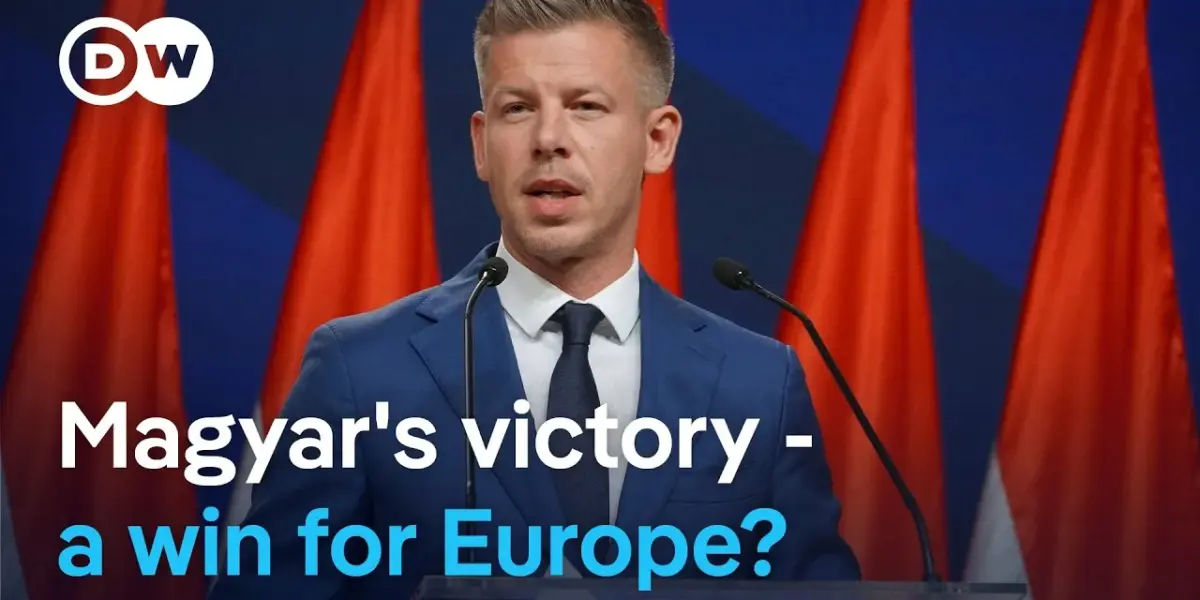
Hungary Elects New Pro-EU Leader, Ending Orban’s Reign
In a significant political shift, Hungary has elected Peter Magyar as its new leader, signaling a decisive move away from the nationalist policies of former Prime Minister Viktor Orban. The change comes 23 years after Hungary joined the European Union, with voters reasserting their commitment to the bloc. This election offers a wave of relief across Europe, but questions remain about whether Magyar will be a true champion for the EU and Ukraine.
Magyar’s Rise: An Insider’s Challenge
Maria Snegova, a senior fellow at the Center for Strategic and International Studies, highlighted the unique nature of Magyar’s rise. She noted that Magyar himself is a former member of Orban’s Fidesz party, making him an “elite insider” challenging the established regime. His success is partly due to his portrayal as a younger, less corrupt version of Orban, appealing to socially conservative Hungarians with similar promises. Interestingly, Magyar even criticized Orban for not being tough enough on immigration. This suggests a potential shift from far-right politics to a more centrist, right-wing approach, similar to what has been seen in Poland. However, Snegova cautioned that the changes might not be as radical as some expect, as Magyar may have promised future roles to some Fidesz insiders to secure his victory.
Key Policy Priorities for the New Government
Peter Magyar has outlined a clear agenda for Hungary’s future. His government’s top priority is securing approximately 17 billion euros in frozen EU funds. He also stated that Hungary will evaluate joining the Eurozone. Regarding Russia, Magyar views it as a security risk for Europe, a stance that aligns with Orban’s previous position. However, a significant point of continuity with Orban is Magyar’s firm opposition to migration. He has declared that Hungary will not accept any EU migration pacts or allocation mechanisms.
Securing EU Funds: A Path Forward
The release of frozen EU funds is a crucial element for Hungary’s economy, which has been struggling. The EU has presented Magyar’s government with about 27 points to fulfill before the funds are released. These conditions include improving the rule of law, combating corruption, and altering Hungary’s stance on Ukraine. The EU’s decision to freeze funds in late 2022 significantly impacted the Orban regime, partly due to Hungary’s lagging economic growth compared to the EU average. Magyar’s willingness to be more agreeable on these issues with the EU is seen as positive news.
Navigating Complex Relations: EU, Germany, and Russia
While Magyar presents himself as a model EU citizen, the path ahead is complex. Orban’s 16-year rule was fueled by widespread Hungarian frustration with the EU, stemming from economic transitions and the 2008 financial crisis. Magyar aims to find a middle ground, a “third way” between full EU compliance and Orban’s alternative model. Hungary’s significant ties to China, being the largest recipient of Chinese investment in the EU, and its continued energy dependence on Russia, with a gradual diversification plan until 2035, leave many questions unanswered. However, Magyar’s approach is considered good news for Ukraine.
Hungary-Germany Relations: A Renewed Partnership?
Magyar emphasized the importance of strong ties with Germany, calling it Hungary’s most important partner due to historical, cultural, and economic connections. He expressed a desire for good relations with Germany’s Chancellor, recalling his positive experiences studying in Hamburg. This stance suggests a significant improvement in Hungary-Germany relations, moving away from the friction experienced under Orban. Both countries are now led by pro-European, center-right leaders.
Challenges and Opportunities Ahead for Magyar
Despite the positive outlook, Magyar faces challenges. He needs to dismantle the system Orban built, a task made easier by his two-thirds parliamentary majority. However, his insider status could limit the extent of reforms, a phenomenon observed in other post-communist transitions where elite continuity can hinder radical change. The election itself was a test of Hungary’s democratic system, with international observers noting that while manipulation may have occurred, the electoral process was cleaner than anticipated, and Orban conceded promptly. Voter reactions in Budapest revealed a divided society, with younger generations largely supporting the change and older ones favoring Orban. Magyar’s appeal lies in his youth, relative lack of corruption accusations, and his focus on “true family values” while still catering to conservative voters.
Lessons for the EU and Democracy
Magyar’s success offers lessons for both Hungary and the EU. It shows that while populist voters may not always support liberal institutions or minority rights, they fundamentally embrace democracy. Hungary and Poland are cited as examples of countries strongly supportive of democratic institutions. The prompt concession of results by Orban is seen as a positive sign for democracy in Hungary and the EU. The Trump administration, which previously supported Orban, may find common ground with Magyar, as he shares many conservative values. This could help mend some of the divides between the US and Europe.
A Blow to Putin’s Influence
The election outcome is a significant blow to Vladimir Putin. Hungary, under Orban, had become a stronghold for Russian influence within the EU. Orban maintained close ties with Putin, even increasing energy dependence on Russia after the 2022 invasion of Ukraine. Russia also allegedly used Hungary as a hub for spies and engaged in corrupt dealings. Putin reportedly made efforts to keep Orban in power, including alleged disinformation campaigns. However, these efforts failed, resulting in a landslide victory for Magyar. This loss of leverage for Russia is seen as positive for the EU’s security policy, and Magyar has promised to investigate corruption and spy scandals linked to Russia.
Looking Forward: A Loyal Ally for the EU?
The central question now is whether Peter Magyar will become the loyal ally the EU has been seeking. His victory marks a potential turning point for Hungary and the broader European Union. The coming months will reveal the extent to which he can implement his pro-EU agenda while addressing Hungary’s internal challenges and complex international relationships.
Source: What Magyar's win in Hungary means for the EU | DW News (YouTube)

Related Articles

Iran Blockade Shifts Global Oil Flow to U.S.
A blockade in the Strait of Hormuz has triggered a major shift in global oil supply routes, with supertankers now heading to the U.S. Gulf Coast. Despite geopolitical tensions, markets remain resilient, and corporate profits are projected to rise.

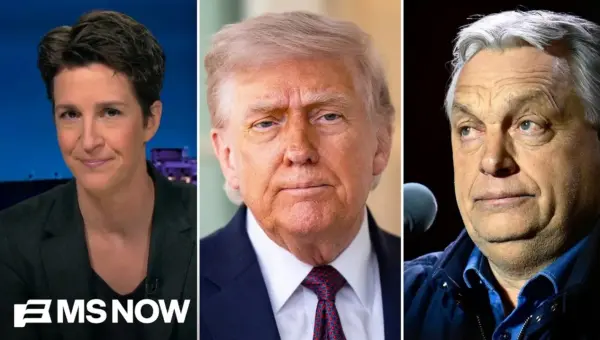
Hungary Ousts Orban: Authoritarian Model Crumbles Amid Corruption Claims
Hungary has ousted Prime Minister Viktor Orban after 16 years, signaling a blow to authoritarianism. The election follows revelations of corruption, including a streetlight scheme enriching his son-in-law, who has reportedly fled the country.
Trump’s Tariff Threat: China’s Iran Arms Deal Sparks Crisis
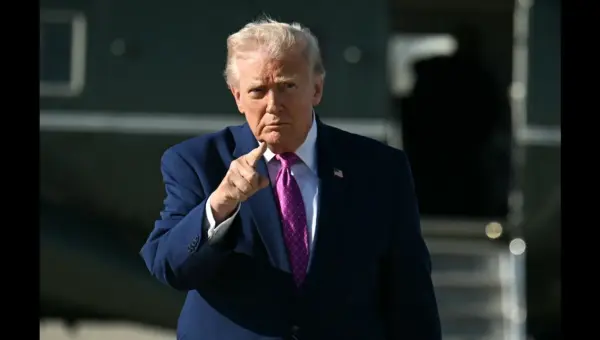
President Trump has warned China against supplying weapons to Iran, threatening a "staggering" 50% tariff if they do. U.S. intelligence reports suggest China may be preparing to send air defense systems, including missiles, to Iran. This development significantly heightens tensions ahead of a crucial summit between President Trump and Chinese President Xi Jinping.