Trump’s Tariffs: Global Trade Faces New Uncertainty
Former President Donald Trump has implemented new 10% global tariffs on goods entering the U.S., sparking uncertainty in international trade. While the immediate impact on the UK economy is deemed modest, experts warn of potential escalation and alternative measures. Factors like currency fluctuations and domestic regulations also shape the economic outlook.

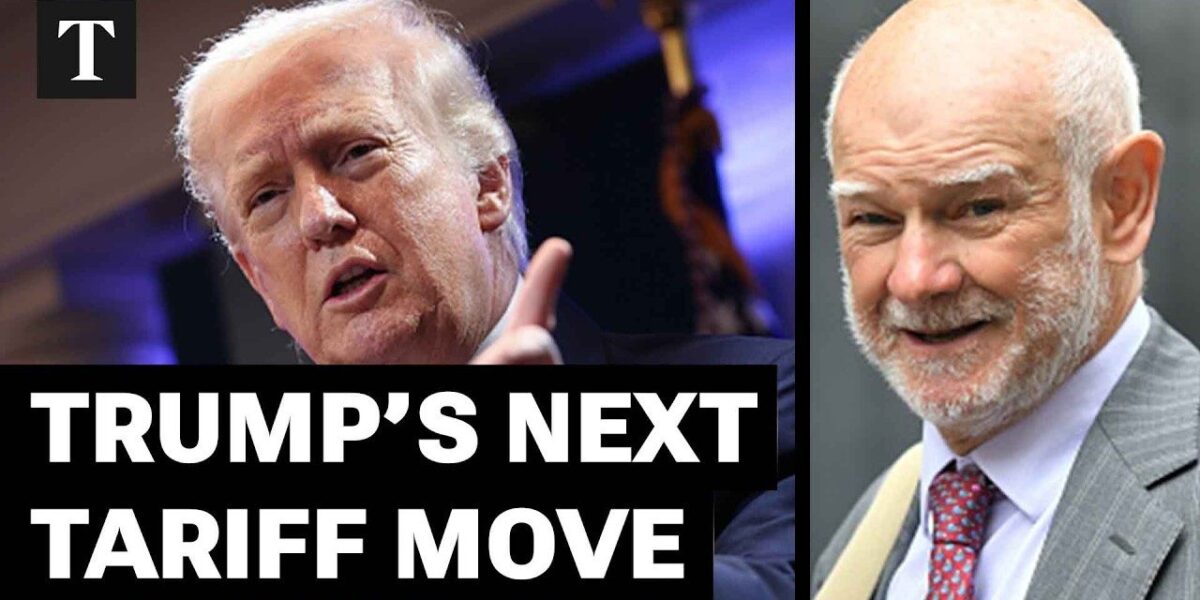
Global Trade Faces New Uncertainty as Trump Imposes Tariffs
In a move that has sent ripples through the international economic landscape, former U.S. President Donald Trump has implemented new global tariffs, imposing a 10% tax on the value of goods entering the United States. While the initial threat of 15% tariffs was softened, the long-term implications and potential for future escalation remain a significant concern for businesses and governments worldwide. The situation, characterized by considerable uncertainty, has led experts to question the true economic impact and the methods by which such trade policies might evolve.
Uncertainty Clouds Future Trade Policy
The implementation of these tariffs follows a period of intense speculation and shifting pronouncements from the Trump administration. Initially, a 10% tariff was proposed as a replacement for measures previously ruled unlawful by the Supreme Court. This was followed by a threat of a broader 15% levy across the board. Sir Howard Davies, a former chairman of NatWest and a professor at Sciences Po in Paris, highlighted the confusion surrounding these announcements.
“No we don’t because uh initially um he said he was going to replace the Supreme Court the tariffs the Supreme Court ruled were unlawful with a 10% one. Then he said he was going to be across the board 15%. At that point the UK would have actually been the biggest loser because we had negotiated a deal below that. So Brazil and China would have won and the UK and Australia and Singapore would have lost. Now we understand that in fact for the time being it is going to be 10%. Which puts us pretty much back where we thought we were although in relative terms of course we’re still worse off because other people had got higher tariffs and they will come down.”
Sir Howard Davies outlined three potential scenarios for the future: an escalation of tariffs, Congressional intervention to reduce them, or the most likely outcome, that the former President will seek alternative legal avenues to achieve his desired trade objectives. This persistent uncertainty, he noted, is a significant impediment to economic stability.
Assessing the Impact on the UK Economy
The immediate impact of these tariffs on the UK economy has been described as relatively modest. While certain sectors, such as whiskey distilling and high-end clothing and automotive sales, have experienced some dip, many businesses appear to have deferred sales rather than experienced a direct, measurable decline. Sir Howard Davies suggested that the perceived impact on the UK economy might be minimal at present.
However, he pointed to other factors that are significantly affecting UK exports to the U.S. The recent fall in the dollar against sterling, moving from approximately 1.25 to 1.38, presents a more substantial challenge to the competitiveness of British goods than the tariffs themselves. While U.S. exports constitute between 15% and 18% of the UK’s total exports quarterly, the overall impact on the UK’s Gross Domestic Product (GDP) from a slight decline in this sector is likely to be limited.
Broader Economic Trends and Potential Rebound
The discussion also touched upon the broader economic outlook for the UK. While acknowledging a potential, albeit slight, economic rebound, Sir Howard Davies cautioned against interpreting this as a definitive shift in trend. He attributed this potential upturn to factors such as gradually falling interest rates and increased government investment, as outlined in Chancellor Rachel Reeves’s budget. However, he stressed that it is too early to ascertain the long-term significance of these developments.
The Challenge of UK Business Regulation
In a separate but related discussion, the conversation turned to the structure and efficiency of Human Resources (HR) departments in the UK compared to the U.S. and Europe. Figures suggesting a larger HR presence in the UK were discussed, raising questions about whether excessive regulation and corporate bureaucracy are hindering productivity.
Sir Howard Davies acknowledged that these figures align with his own experiences. He specifically cited employment tribunals and the complexity of employment law as significant challenges for businesses. This legal landscape, he argued, forces companies to adopt a highly defensive posture, meticulously covering all bases before taking any disciplinary or dismissal actions. This, in turn, leads to the expansion of HR departments and represents a considerable cost for businesses.
Looking Ahead: The Evolving Trade Landscape
The imposition of new tariffs by the former President Trump signals a period of continued volatility in global trade relations. While the immediate economic fallout for the UK may appear contained, the potential for future policy shifts, alternative trade measures, and broader geopolitical developments means that businesses must remain vigilant. The interplay between U.S. trade policy, currency fluctuations, and domestic economic strategies will be critical factors to monitor in the coming months and years.
Source: Trump Will Find Other Means To Raise Tariffs | Sir Howard Davies (YouTube)

Related Articles

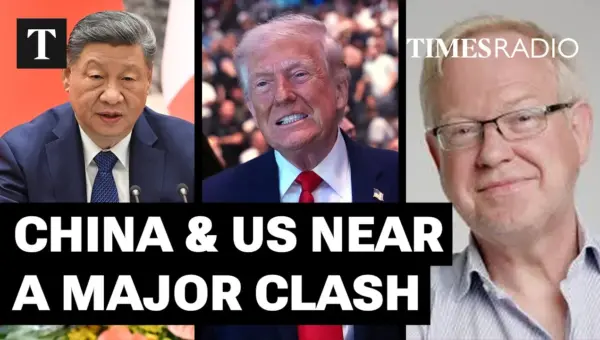
China-US Tensions Flare: Blockade Risk Sparks Superpower War Fears
The U.S. blockade in the Strait of Hormuz has intensified tensions with China, raising fears of a potential superpower conflict. Expert Roger Boyes highlights China's use of a "shadow fleet" and military support for Iran, while President Trump attempts a delicate diplomatic approach ahead of a key meeting with President Xi Jinping.
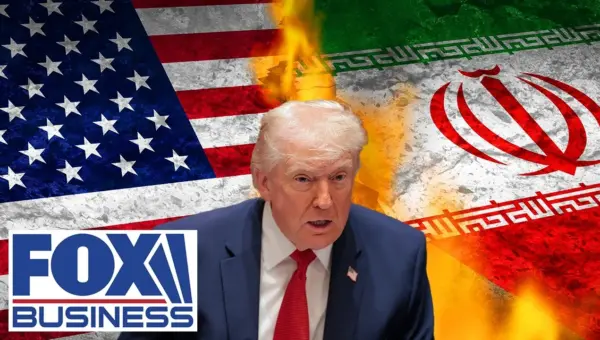
Trump Sees Iran Conflict Near End, Analysts Urge Caution
President Trump believes the conflict in Iran is "very close to over," but former advisor Keith Kellogg urges a cautious approach. The potential de-escalation could impact global markets, particularly oil prices. Investors should monitor the specifics of any resolution and its long-term implications for regional stability.
Doctor Rips Oz, Trump for ‘Lack of Seriousness’ on Health
A doctor has sharply criticized Donald Trump and Dr. Mehmet Oz for spreading health misinformation, calling their approach a "lack of seriousness." The doctor highlighted false claims about diet soda and cancer, and the dangers of appointing unqualified individuals to health agencies. He stressed the critical need for science-based leadership to ensure public well-being.