Hyundai Palisade: The New King of Three-Row SUVs?
The Hyundai Palisade has redefined the non-premium three-row SUV segment, offering a blend of luxury, refinement, and value that surpasses its competitors. With rapid iteration and a focus on interior quality, it sets a new benchmark. The article also cautions against the potential pitfalls of emerging, heavily subsidized vehicles from China.

Hyundai’s Three-Row Contender Redefines the Segment
The non-premium, three-row SUV segment has a new benchmark, and it comes from Korea. The Hyundai Palisade, in its latest iteration, has not only cemented its position but arguably conquered the segment, leaving established players like the Honda Pilot in its rearview mirror. This isn’t just an incremental update; it’s a leap forward that redefines what buyers can expect in terms of refinement, features, and overall value.
A Rapid Evolution of Excellence
Remember the Kia Telluride’s debut roughly five or six years ago? It was a revelation, bringing a level of exterior and interior sophistication that was conspicuously absent in competitors such as the Honda Pilot, Chevrolet Traverse, and even some entry-level luxury offerings. The consistent critique of Hyundai and Kia products, however, often revolved around chassis dynamics and a perceived lack of attention to detail. Those days appear to be over. The latest Palisade showcases Hyundai’s ability to iterate rapidly, a direct benefit of their vertical integration. This allows them to address shortcomings and enhance features at a pace that competitors struggle to match.
The improvements are stark. While it might not offer the dynamic prowess to rotate its rear end like a Honda Pilot, the head toss and body roll that plagued previous generations are gone. The chassis dynamics are now not just acceptable, but genuinely competent. This is paired with an interior that feels significantly more upscale than the Honda Pilot’s, boasting superior material choices, fit, and finish. For buyers seeking a premium experience without the premium price tag, the Palisade is making a compelling case.
Powertrain Prowess and Future Options
Beyond the refined chassis and upscale interior, the Palisade now offers a superior drivetrain to many of its Japanese rivals, including a highly anticipated hybrid option. While specific performance figures for the hybrid variant are still emerging, the availability of such an option further broadens its appeal. The current gasoline engine, likely a 3.8-liter V6, is expected to deliver robust performance suitable for a vehicle of this size, though exact horsepower and torque figures should be confirmed for the latest model year.
Interior: A Luxury Experience for Less
Stepping inside the Palisade is where the rapid evolution truly shines. Even in a fully loaded configuration, which can approach the $60,000 mark, the features are astonishing. Imagine a driver’s seat with a massage function, heated and cooled rear seats, and an interior headliner that rivals luxury brands. The design no longer feels like a mere imitation of premium marques; it actively surpasses them in many respects. Compared to vehicles from Lexus, BMW, and even the newer Toyota Grand Highlander (TX), the Palisade’s interior often feels more cohesive, visually appealing, and better executed in terms of material quality and fit-and-finish. This is a remarkable achievement, especially when considering the price point.
The Chinese Car Conundrum: A Cautionary Tale
The discussion around the Palisade naturally leads to questions about emerging automotive markets, particularly China. While Chinese manufacturers are producing vehicles that appear flashy and technologically advanced, significant hurdles remain before they can truly compete in markets like the United States. The primary barriers are regulatory compliance, particularly crash safety standards, and the crucial aspect of long-term reliability and serviceability.
Many Chinese vehicles are currently subsidized by their governments, artificially lowering their prices. This isn’t a sustainable model for markets without such subsidies. Furthermore, the track record for reliability and, critically, the availability of parts and service networks, is a major concern. We’ve seen even established EV brands like Hyundai and Kia struggle with parts availability and service times for their electric models, sometimes leaving owners waiting for weeks or even months. For Chinese brands, who lack the established dealer and parts infrastructure in the US, this issue is magnified. Dumping heavily subsidized, potentially unreliable vehicles into markets like Canada, with caps on import numbers, highlights the allure of cheap cars. However, the long-term cost of ownership, including extensive downtime for repairs and the inability to source parts, could quickly negate any initial savings.
Value Proposition and Target Buyer
The Hyundai Palisade is aimed squarely at families and individuals who need the space and practicality of a three-row SUV but are unwilling to compromise on style, comfort, and features. It targets buyers who might have previously considered entry-level luxury SUVs but are now presented with a compelling alternative that offers more for their money. With a starting MSRP likely in the mid-$30,000s and top trims reaching into the $50,000s, the Palisade offers exceptional value. Its ability to deliver a near-luxury experience at a mainstream price point makes it a standout in its class.
The Verdict: A New Leader Emerges
The Hyundai Palisade isn’t just a good car; it’s a statement. It demonstrates the incredible pace at which Korean automakers can innovate and execute. By refining its chassis dynamics, elevating its interior to near-luxury levels, and offering competitive, and soon-to-be-electrified, powertrains, Hyundai has created a three-row SUV that is arguably the best in its segment. While the allure of cheap, flashy cars from emerging markets is understandable, the lack of proven long-term support and reliability remains a significant deterrent. For buyers seeking a well-rounded, feature-rich, and genuinely impressive three-row SUV today, the Hyundai Palisade stands at the top of the class.
Key Specifications (Estimated/Typical for Current Generation):
- Engine: 3.8L V6
- Horsepower: Approximately 291 hp
- Torque: Approximately 262 lb-ft
- Drivetrain: Front-wheel drive or All-wheel drive
- Transmission: 8-speed automatic
- Seating Capacity: 7 or 8 passengers
- Estimated 0-60 mph: ~7.5 seconds
- Starting MSRP: Mid-$30,000s
- As Tested (Fully Loaded): Around $60,000
Note: Specific figures and features may vary by model year and trim level. Hybrid variant details are anticipated.
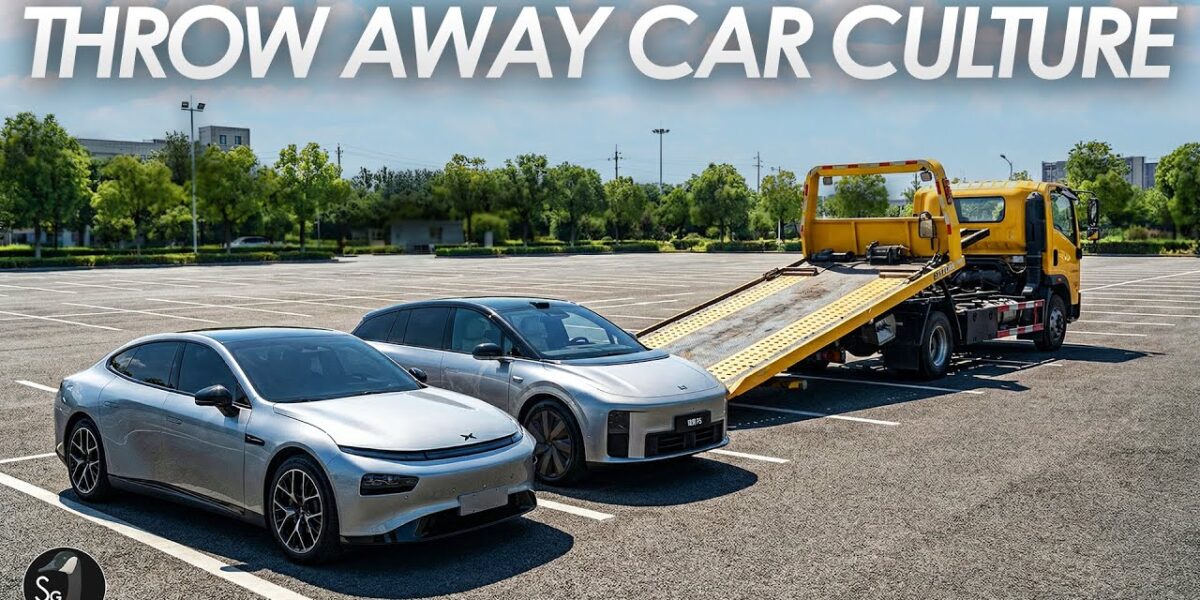
Source: Cheap Cars | New Throw Away Product? (YouTube)

Related Articles

Land Cruiser Conquers Ike Gauntlet, Out-Tows Palisade
The Toyota Land Cruiser has proven its towing superiority over the Hyundai Palisade in the grueling Ike Gauntlet test. While the Palisade struggled with control and engine strain, the Land Cruiser demonstrated impressive stability and power, solidifying its position as the top family tow rig.

2026 Mazda CX-5: Solves Old Problems, Creates New Ones
The 2026 Mazda CX-5 gets a much-needed interior space upgrade and refined ride, but its move to a large touchscreen for climate controls and lack of powertrain options raise questions. It remains a great driver's SUV, but faces stiff competition.

Hyundai Palisade’s Driver Assist Struggles on Tough Test
The 2026 Hyundai Palisade XRT Pro's Highway Driving Assist (HDA) system was put to the test and scored a low 30 points. While capable on straighter roads, it struggled with right-hand curves, requiring driver intervention. This highlights the system's limitations as an assist feature rather than a fully autonomous solution.