The Enigma of Casey Anthony: A Mother’s Cold Calculation
Two-year-old Caylee Anthony's death in 2008 was a tragedy. However, the subsequent investigation focused on her mother, Casey Anthony, whose calculated deceptions and unnerving composure baffled authorities and the public, raising profound questions about her role in the events.

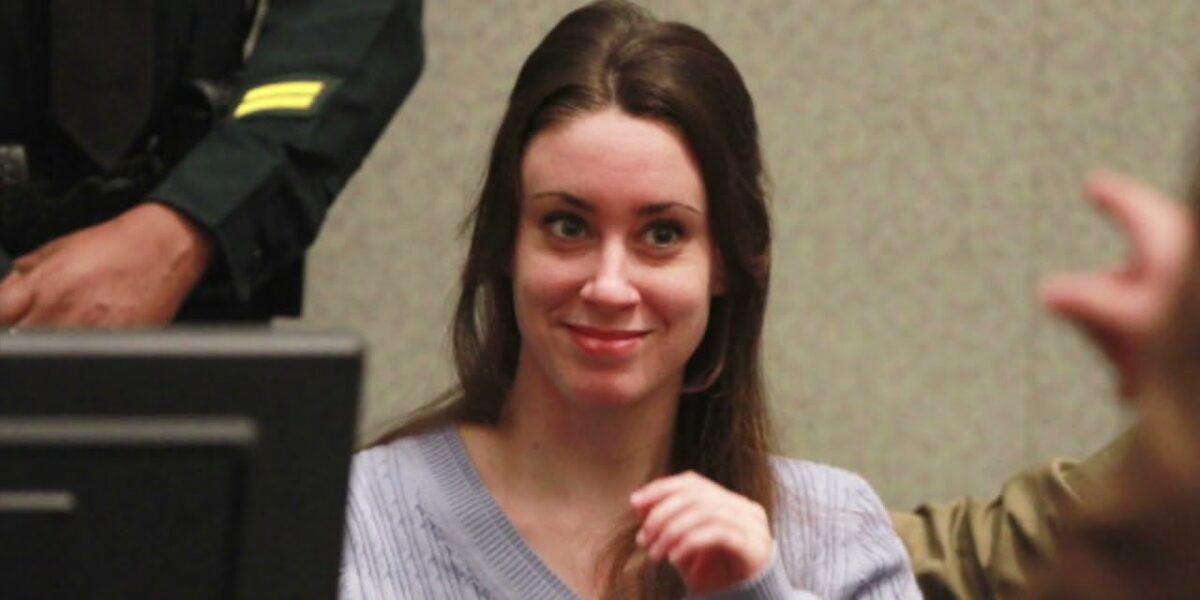
The Enigma of Casey Anthony: A Mother’s Cold Calculation
The name Casey Anthony evokes a chilling mix of confusion, outrage, and sorrow. While the tragic death of her two-year-old daughter, Caylee Marie Anthony, remains a profound loss, the true crime narrative surrounding this case has less to do with the horrific event itself and more with the perplexing behavior of the mother in its aftermath. The questions that linger are not solely about how Caylee died, but about the unsettling composure and calculated deceptions of Casey Anthony, a woman whose psychological state, as assessed by professionals, revealed no abnormalities, only a disturbing capacity for manipulation.
A Month of Silence and Suspicion
The alarm was finally raised on July 15, 2008, when Cindy Anthony, Caylee’s grandmother, contacted the Orlando Police Department. Her panicked 911 call revealed a horrifying truth: her granddaughter had been missing for a month, and her daughter, Casey, had only just admitted to the child’s whereabouts. The dispatcher’s disbelief was palpable as Cindy explained, “My daughter finally admitted that the baby’s in the store.” This cryptic statement was followed by an even more disturbing revelation: when Cindy discovered Casey’s car, it reeked of decomposition.
For weeks, Casey Anthony had spun a web of deceit for her parents. She claimed to be on a work assignment in Tampa, with Caylee in the care of a nanny named Zenaida Fernandez-Gonzalez. Repeated requests from her parents to speak with or see Caylee were met with excuses about Casey’s busy work schedule and the nanny’s supposed unavailability. The truth, however, was far more sinister. Caylee had last been seen by her grandparents on June 7, 2008.
The discovery of the family car, which Casey had supposedly been using for her out-of-town work, at an impound lot, immediately raised suspicions. Upon retrieving the vehicle, Casey’s father, George Anthony, a former police officer, recognized the distinct and horrifying odor emanating from the trunk – the unmistakable scent of human decomposition. This grim discovery, coupled with Casey’s evasiveness, propelled the investigation into high gear.
A Cascade of Lies
When confronted by her parents at her boyfriend’s house, amidst the haze of marijuana smoke and television, Casey offered her fabricated alibi: Caylee had been kidnapped by the supposed babysitter, Zenaida, thirty-one days prior. Her demeanor during the subsequent 911 call, as noted by investigators, was remarkably devoid of urgency or distress, a stark contrast to her mother’s palpable anguish. It was a performance that began to paint Casey as the primary suspect.
During her initial interview with detectives, Casey Anthony meticulously recounted her fabricated story. She provided intricate details about Zenaida, the supposed nanny, including how she met her through a mutual friend named Jeffrey Michael Hopkins and that Zenaida had cared for both Caylee and Jeffrey’s son. She claimed Zenaida was originally from New York, had attended the University of Florida, and had family in both New England and the South. She even described Zenaida as mixed-race, Black and Puerto Rican.
However, as investigators delved deeper, the inconsistencies and outright falsehoods in Casey’s narrative began to unravel. Jeffrey Michael Hopkins, the supposed mutual friend, had not worked at Universal Studios for nearly a decade and had moved out of state. There was no record of a Zenaida Fernandez-Gonzalez ever working as a nanny for the Hopkins family or for Casey. Furthermore, a co-worker Casey named, Juliette Lewis, also proved to be fictitious; Casey had not worked at Universal Studios in over two years, and her role was far from the event coordinator she claimed to be.
The detectives, armed with this mounting evidence of deception, confronted Casey. She led them on a wild goose chase, directing them to numerous false addresses and even to her supposed office at Universal Studios, only to admit, with a laugh, that she didn’t work there. This blatant disregard for the investigation and the gravity of the situation led to her arrest.
The Unraveling of a Deceptive Persona
In the interrogation room, the facade began to crumble. When pressed by detectives, Casey admitted to lying but maintained she didn’t know where Caylee was. However, the detectives were resolute, convinced she was withholding critical information. They highlighted the absurdity of her actions, questioning how lying to the authorities would help find her daughter. Casey’s responses, often laced with fear and a desperate attempt to control the narrative, revealed a deep-seated anxiety about judgment and consequences.
The transcript of the interrogation reveals a chilling pattern: Casey’s tendency to deflect, minimize, and manipulate. When detectives suggested she might be afraid of being seen as a bad mother or that something terrible had happened to Caylee with her involvement, Casey vehemently denied it. Yet, her evasiveness and inability to provide a clear account of Caylee’s last known whereabouts spoke volumes.
Her interactions with her parents after her arrest were equally perplexing. While they expressed their love and concern, their attempts to elicit information about Caylee were met with resistance. Casey seemed more preoccupied with her own situation and the perceived injustices against her, rather than the urgent need to find her daughter. Her emotional responses, particularly tears, seemed to surface more when her parents offered sympathy or when discussing her own distress, rather than when the focus was solely on Caylee.
The Discovery and the Trial
Tragically, on December 11, 2008, Caylee’s remains were discovered in a wooded area near the Anthony home. The discovery confirmed the worst fears that had been building since the initial 911 call. The subsequent trial captivated the nation, with Casey Anthony facing charges of first-degree murder.
Despite the prosecution presenting evidence suggesting Caylee died from suffocation, and Casey’s consistent pattern of deception, the jury ultimately acquitted her of the most serious charges. She was convicted of providing false information to law enforcement. The verdict was met with widespread disbelief and outrage, leaving many questioning the justice system and the perceived failure to hold Casey Anthony fully accountable for her daughter’s death.
The Lingering Questions
The Casey Anthony case remains a stark reminder of the complexities of human psychology and the devastating consequences of deceit. While her daughter’s life was tragically cut short, the enduring mystery lies in the mind of the mother. The lack of a definitive explanation for Caylee’s death and Casey’s calculated behavior continue to fuel debate and speculation. The case serves as a somber case study in parental responsibility, the impact of pathological lying, and the profound questions that can arise when the truth remains shrouded in an impenetrable veil of mystery.
Source: There's Something About Casey… (YouTube)

Related Articles

The Price of Attention: Two Fatal Pursuits of Fame
Two men, Derek Keeper and Francesco Schettino, pursued attention and validation, resulting in tragic outcomes. Keeper died in a car crash due to his anti-seatbelt stance, while Schettino's reckless actions as a cruise ship captain led to a deadly shipwreck. Their stories serve as cautionary tales about the pursuit of recognition and the severe consequences of poor judgment.

TV Stars’ Dark Secrets: Shocking Crimes Revealed!
Beloved TV stars have been involved in shocking real-life crimes, from sexual assault and fraud to murder. This article explores the disturbing cases of figures like Bill Cosby, Danny Masterson, and the Chrisley family. These scandals shattered public illusions and brought severe legal consequences.

Teens Planned Horrific Ritual Sacrifice To Resurrect Killer
Two Florida high school students, Isabelle Valdez and Lois Liippard, were arrested for allegedly plotting a ritual sacrifice to resurrect mass killer Adam Lanza. An anonymous tip to Fortify Florida exposed their disturbing obsessions and a detailed murder plan targeting a fellow student.