Draft Talk Ignites Outrage: Trump Family’s Lavish Lifestyles Clash with War Fears
As fears of a military draft rise amid escalating conflict, the Trump family's lavish lifestyles and business dealings have drawn sharp criticism, highlighting a stark disconnect and fueling public outrage over perceived inequity and profiteering.

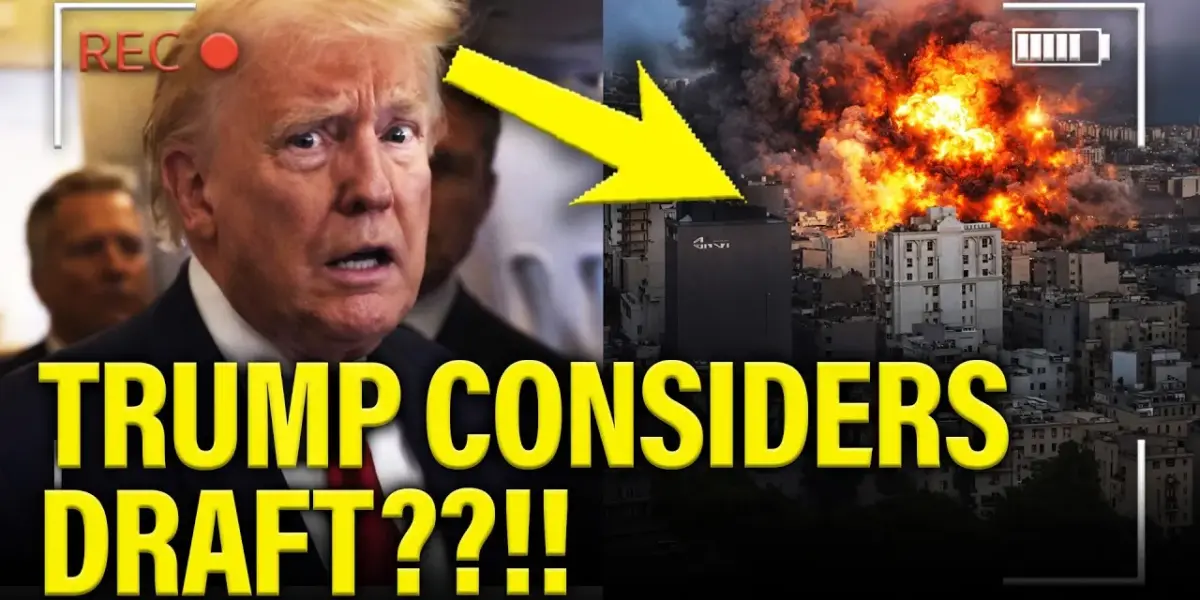
Amidst Escalating Conflict, a Whispered Possibility of a Draft Sparks Public Fury, Highlighting a Stark Disconnect with the Trump Family’s Perceived Indifference and Profiteering.
The specter of a military draft, a concept largely relegated to historical memory for many Americans, has resurfaced with unnerving potency. As a volatile conflict with Iran intensifies, fueling anxieties about a prolonged and potentially widening war, statements from within the Trump administration have fanned the flames of public concern. The notion that the United States might not rule out conscription has ignited a firestorm of outrage, particularly when juxtaposed with the seemingly detached and opulent lifestyles of Donald Trump’s children and grandchildren.
The Unsettling Silence on the Draft
The initial tremors of this controversy began when Caroline Levit, described by critics as a “chief propagandist” for the Trump administration, appeared on Fox News. Responding to a question about parental fears of a draft amidst the ongoing conflict, Levit’s measured yet non-committal answer – “We’re not going to rule that out” – sent shockwaves through social media and public discourse. This statement, perceived as a tacit acknowledgment of the possibility, stands in stark contrast to past assurances and carries significant weight given the gravity of potential conscription.
The interviewee pressed further, questioning the administration’s stance on ground forces and invasion, to which Levit reiterated that President Trump “wisely does not remove options off of the table.” While proponents might frame this as prudent strategic flexibility, opponents decry it as a deliberate ambiguity that fuels public anxiety and demonstrates a lack of commitment to de-escalation. The argument is that in times of potential war, clarity and reassurance are paramount, not the retention of all possible, and potentially devastating, options.
A Tale of Two Realities: Opulence vs. Sacrifice
The timing of these pronouncements could not be more sensitive. As the nation grapples with the grim realities of war – reported service member deaths, crashing markets, and surging oil prices – the public’s attention has been drawn to the activities of the Trump family. A viral video posted by Donald Trump’s granddaughter, Kai Trump, offers a vivid illustration of this perceived disconnect.
In the clip, she documents a shopping trip to an upscale Los Angeles grocery store, Awan, lamenting the exorbitant prices of items like sushi and peptides. Her playful, albeit tone-deaf, commentary about potentially having to “file for bankruptcy” over a $233 grocery bill, while taxpayer-funded Secret Service agents accompanied her, has been widely condemned as insensitive and out of touch.
This incident, coupled with social media posts from other Trump family members, has fueled accusations of hypocrisy and a lack of empathy. Eric Trump’s posts documenting his attendance at the Gator Nationals and promoting LIV Golf, an organization with Saudi Arabian ties, while American service members were reportedly dying and markets were in turmoil, have drawn particular criticism. Similarly, Tiffany Trump’s influencer-style posts from Egypt, featuring selfies amidst ancient wonders, have been framed as an abdication of awareness during a period of international crisis.
The narrative emerging is one of a family seemingly insulated from the potential consequences of the conflict they are presiding over. While ordinary citizens and their families face the prospect of sacrifice, the Trump children are depicted engaging in lavish consumption, promoting business ventures, and documenting their privileged experiences. This stark contrast has led to calls, often expressed with anger and sarcasm, for the Trump children themselves to be the first in line for any potential draft.
Historical Context and Escalating Tensions
The current geopolitical climate, marked by escalating tensions with Iran, is not without historical precedent. The region has long been a focal point of international conflict and strategic maneuvering.
The decision to engage in military action, particularly without clear congressional authorization or widespread public consensus, raises questions about the legality and justification of such operations, as alleged by the transcript’s author. The subsequent uncertainty surrounding a potential draft only amplifies these concerns, harkening back to eras where conscription was a deeply divisive issue.
The economic ramifications of the conflict are undeniable. The transcript highlights the surge in oil prices and the instability in global markets, highlighting the far-reaching consequences of military engagement. The author also points to the potential for a significant oil supply shock, a development that could have profound global economic impacts.
Grifting Amidst Crisis?
Beyond the perceived insensitivity, accusations of profiteering have also surfaced. The transcript points to Donald Trump’s own social media activity, including ads that seemingly leverage the conflict for financial gain, directing users to purchase Trump-branded gold. Fundraising emails sent during this period, framing the conflict as a necessary defense of the nation and urging donations to his campaign, have been characterized as “grifting off of this war.”
Melania Trump’s promotion of her film on streaming platforms, even as the world grapples with war, has also been met with criticism. The juxtaposition of her “exciting news” with the global instability has been seen as a profound lack of situational awareness. The transcript notes her posts about her film, including a photo from her time presiding over a United Nations Security Council meeting, as further evidence of a disconnect.
Why This Matters
The controversy surrounding the potential draft and the Trump family’s public activities speaks to a broader concern about accountability, empathy, and leadership during times of crisis. When the possibility of significant personal sacrifice looms for ordinary citizens, the perceived indulgence and self-promotion of those in power can breed resentment and erode public trust. The narrative that emerges is one where the language of national security and sacrifice is invoked, while the beneficiaries of that security appear to be more concerned with personal brand enhancement and financial gain.
This situation highlights the critical importance of transparency and communication from government officials, especially when discussing matters as sensitive as military conscription. It also highlights the power of social media in shaping public perception, allowing for swift and widespread dissemination of both official statements and personal activities, often leading to direct comparisons that can amplify criticism.
Implications and Future Outlook
The public outcry over the draft discussion and the Trump family’s perceived detachment suggests a growing impatience with what is seen as a disconnect between leadership and the lived experiences of the populace. If such concerns are not adequately addressed, they could lead to further erosion of public confidence and potentially fuel anti-war sentiment. The hashtag #DraftOurDaughters, and similar sentiments calling for the Trump children to serve, reflect a deep-seated anger and a desire for equitable sacrifice.
Looking ahead, the administration faces the challenge of navigating the ongoing conflict while managing public perception. A clear and consistent communication strategy regarding military objectives and potential escalations, including any consideration of a draft, will be crucial.
The actions and public statements of political figures and their families will continue to be scrutinized, particularly during periods of national uncertainty and potential hardship. The narrative of equitable sacrifice versus perceived privilege will likely remain a potent force in shaping public opinion.
The events described serve as a potent reminder that in a time of instant information and heightened public awareness, leadership is not only judged by policy decisions but also by the perceived character, empathy, and actions of those at the helm and their immediate circles. The chasm between the potential for widespread sacrifice and the reality of opulent lifestyles is a narrative that resonates deeply and will continue to fuel debate long after the immediate crisis subsides.
Source: Trump LOSES IT over WAR DRAFT!!! (YouTube)

Related Articles


Iran Talks Could Last Years, Echoing Vietnam’s Long Road
Peace talks, like those during the Vietnam War, can take years. Analysts suggest that negotiations with Iran might also become a lengthy process, potentially lasting until the next US midterm elections. The core issue for Iran's security may ultimately lie in its own power, rather than in external agreements.

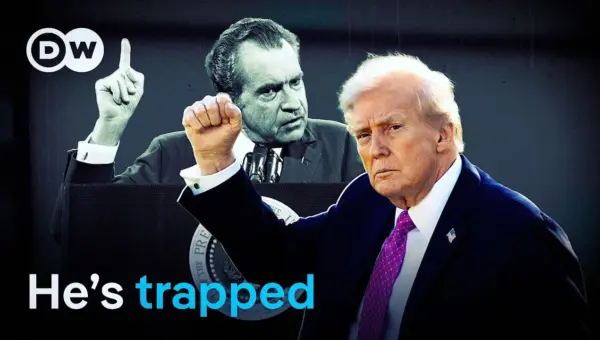
Trump’s ‘Madman Theory’ Fails Against Iran, Analyst Says
Analyst David Frum argues that President Trump's use of the 'madman theory' in foreign policy, particularly towards Iran, has failed. This strategy, which relies on unpredictable and irrational behavior to gain leverage, has been undermined by Trump's own reluctance to follow through on extreme threats. Frum suggests that adversaries like Iran have learned to disregard these warnings, as the President's actions reveal a clear focus on self-preservation rather than genuine madness.
China’s Oil Sales Signal Weak Demand Amid Global Tensions
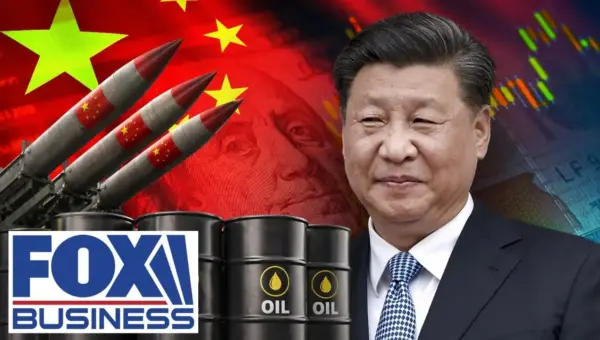
China's largest oil companies are selling off foreign crude as refinery activity hits a multi-year low, indicating weak demand. This coincides with China's assertive actions, including threats of a Taiwan blockade and pressure on Panama Canal operations. The moves suggest economic struggles may be driving Beijing's aggressive stance.