US Iran War: Trump’s Policy Shakes Allies, Risks Election
The United States has launched an unexplained war in Iran, sparking concern among allies and domestic voters. The conflict's unclear objectives and potential impact on upcoming elections are major points of contention. Russia's global standing is also affected, with its alliances weakening.

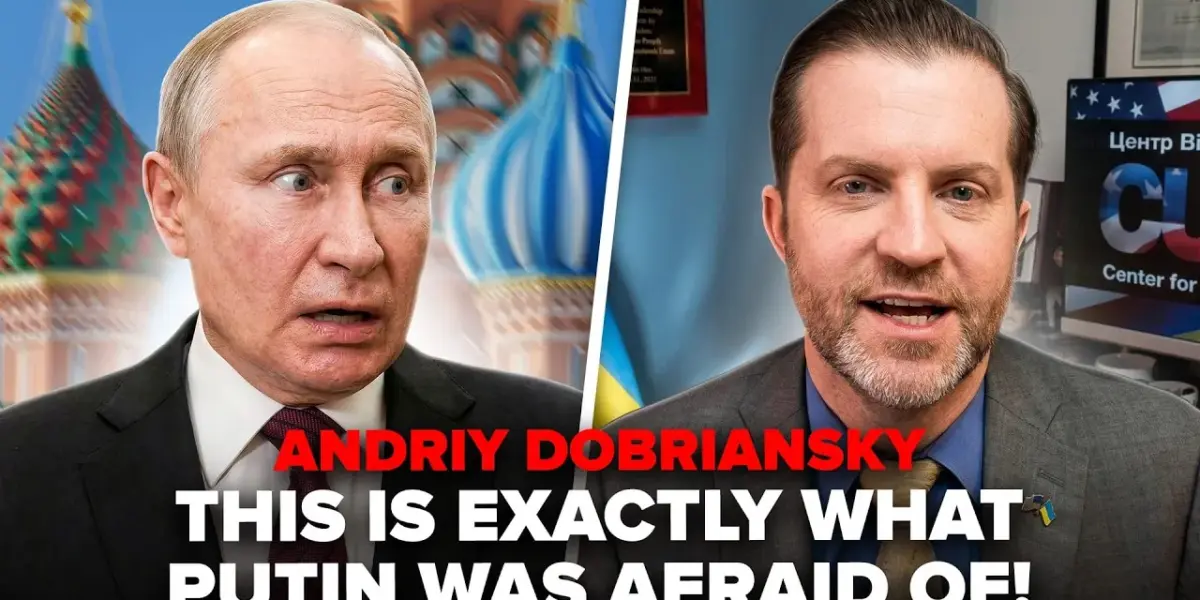
US Launches Unexplained War in Iran, Allies Express Concern
In a swift and largely unexplained military operation, the United States has launched a full-scale war against Iran. The decision, which has caught both the American public and international allies by surprise, raises significant questions about the strategic rationale, potential duration, and the impact on upcoming elections. The lack of clear explanation from the White House has fueled uncertainty and concern among key international partners and domestic constituencies.
Lack of Transparency Fuels Public Doubt
The White House’s approach to the Iran conflict stands in stark contrast to previous major military engagements. Unlike the lead-up to the Iraq wars, President Trump’s address to the nation regarding the Iran operation was notably brief, mentioning Iran only peripherally.
This lack of detailed explanation has left many Americans questioning the necessity and objectives of the war. Public opinion polls indicate a significant portion of the electorate, particularly independent voters crucial in midterm elections, are not in favor of this new intervention, citing a lack of understanding about why the U.S. is involved.
“The fact that they can’t explain why we went into war means that we don’t have a valid reason why we will end this war, and that’s a more puzzling and problematic issue for the United States.”
European Allies Show Divided Support
While initially surprised, European nations have shown a mixed response to the U.S. Action. The United Kingdom and Italy, after their citizens came under fire in the region, have pledged support for the defense of their nationals.
However, their involvement appears to be strictly defensive, with the UK emphasizing no prior involvement in the planning or execution of the initial strikes on Iran. This nuanced support highlights a broader European hesitancy towards offensive military actions and highlights the U.S.’s relative isolation in initiating the conflict.
Impact on Upcoming Elections Looms Large
The war in Iran poses a significant challenge to President Trump’s re-election campaign and the broader Republican party’s congressional prospects. A key promise of Trump’s platform was to avoid new foreign wars, a pledge now seemingly broken. The intervention risks alienating the “MAGA” base, many of whom are wary of interventionist policies.
Polling data suggests independent voters, a critical demographic, are disinclined to support a war that has not been adequately explained. The substantial budget implications of funding a new conflict will necessitate seeking additional congressional approval, potentially creating friction within his own party and among lawmakers facing re-election.
Russia’s Diminishing Influence and Paranoia
The conflict in the Middle East also has implications for Russia’s standing on the global stage. Expert analysis suggests that Russia’s network of security alliances is fraying, with countries like Syria and Venezuela no longer demonstrating the same level of cooperation. This isolation is pushing Russia into a more dependent relationship with China.
Meanwhile, Russian President Vladimir Putin is characterized as increasingly paranoid and fearful of assassination, limiting his international travel and relying heavily on domestic security. The war in Ukraine, while still ongoing, appears to have taken a backseat in U.S. Foreign policy priorities, potentially benefiting Russia in the short term.
Economic Repercussions and Diplomatic Fallout
The U.S. Administration’s actions have extended beyond military engagement, with trade relations with Spain reportedly cut off. The effectiveness and longevity of such sanctions remain uncertain, with a history of presidential announcements that do not materialize. The conflict has also severely damaged U.S. Diplomatic credibility.
Special envoy Steve Witkoff’s assurances to Iran about an impending agreement, immediately preceding the invasion, have undermined trust and jeopardized future diplomatic efforts, including those related to the Russia-Ukraine war. The rising global oil and gas prices, exacerbated by the conflict and disruptions to Russian oil production, directly contradict campaign promises of economic stability.
Future Outlook: Escalation Risks and Shifting Narratives
The situation in the Middle East remains volatile, with the potential for a wider regional conflict. A critical concern for the U.S. is the safety of its citizens abroad, as Iran is designated a state sponsor of terror, and the risk of retaliatory attacks, including those targeting American civilians, is significant. Such events could dramatically alter the public narrative and challenge the administration’s claims of enhancing American security.
The ongoing war, coupled with domestic economic pressures and unfulfilled foreign policy promises, presents a formidable challenge for President Trump and his allies in the upcoming electoral cycles. The focus will be on how the administration navigates these complex geopolitical and domestic challenges, and whether it can regain public trust and international support.
Source: 😱Putin is shaking! Kremlin regime under attack. Russia is losing its key allies (YouTube)

Related Articles

Military Leaders Sideline President Amid Fears of Erratic Behavior
Military advisors reportedly excluded President Trump from command during a critical operation due to fears of his erratic behavior. This has reignited calls for invoking the 25th Amendment, highlighting concerns about presidential fitness and national security.

Trump’s Iran Standoff: A Tightrope Walk to Nowhere
The U.S. faces a volatile situation with Iran, marked by Trump's inconsistent diplomacy and a search for cease-fire extensions. Internal administration turmoil and questionable reporting practices add to the chaos, while control of the Strait of Hormuz remains a key point of contention. This creates a dangerous stalemate with significant global economic and security implications.

Canada Steps Up as US Falters on Global Stage
Canada is stepping up as a global leader, forging new trade partnerships and strengthening its economy under Mark Carney's guidance. This strategic pivot aims to protect citizens from global instability, contrasting sharply with the U.S.'s shifting policies and internal economic struggles. Canada's focus on social programs and national investment signals a new era of independent strength.