Republican Dissent Signals Deep Trouble for Trump on Epstein Files
Republican dissent is growing over the handling of the Jeffrey Epstein files, with lawmakers admitting to being misled. This internal criticism signals significant trouble for Donald Trump, suggesting a deliberate cover-up rather than a commitment to transparency.

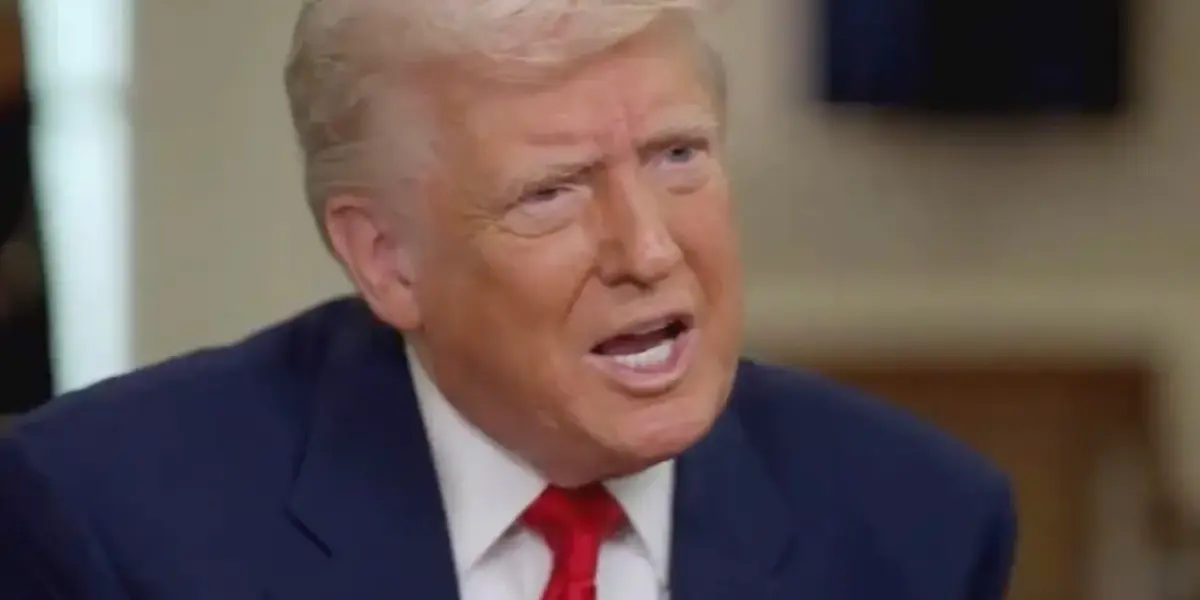
Republican Voices Emerge in Epstein File Controversy
The ongoing saga surrounding the Jeffrey Epstein files has taken a significant turn, moving beyond expected Democratic criticism to include internal dissent within Donald Trump’s own party. When Republican lawmakers and commentators begin to voice concerns and admit to being misled on such a sensitive issue, it signals a potentially critical moment for the former president. This shift suggests that the controversy is gaining a traction that transcends typical partisan divides.
A Pattern of Evasion and Misinformation
The transcript highlights a persistent pattern of what is described as gaslighting and evasion regarding the release of Epstein-related documents. Republican Representative Thomas Massie and a Newsmax anchor are quoted expressing frustration, with Massie stating they are not receiving the answers they need and are being lied to by the White House. This sentiment is echoed by other figures, including former Trump allies, who acknowledge a “bait and switch” tactic concerning the files.
Specific instances cited include:
- The Attorney General’s previous claim that files were ready for release, followed by a prolonged delay.
- The alleged use of “fake binders” by right-wing influencers.
- The controversial transfer of Ghislaine Maxwell to a lower-security prison after a meeting with the Deputy Attorney General.
- Reports of Representative Lauren Boebert being summoned to the Situation Room to influence her stance on a discharge petition.
- Congresswoman Marjorie Taylor Greene’s public disassociation from the administration over a perceived cover-up.
- The Department of Justice missing a disclosure deadline by nearly three months.
- The release of files that reportedly expose victims’ names while redacting those of co-conspirators.
These events, according to the analysis, point towards a deliberate effort to protect Epstein’s accomplices rather than ensure full transparency.
Exploiting an Issue for Political Gain
The narrative posits that Trump and his allies weaponized the Epstein issue during their campaigns, grooming supporters to recognize its significance. However, upon gaining office, the administration is accused of failing to deliver on promises of transparency. This perceived betrayal has led to disillusionment among some former supporters who now question their continued defense of Trump.
Commentators express shock that “the people in charge are not taking it seriously and are not investigating it.” The disconnect between the publicly available information, including FBI forms, and the administration’s apparent unwillingness to act is seen as deeply damaging.
Historical Context and the “Drain the Swamp” Paradox
The “drain the swamp” rhetoric, a cornerstone of Trump’s political appeal, is invoked here as a stark contrast to the current situation. Critics argue that instead of draining the swamp, the administration has perpetuated a system where accountability is avoided, particularly when it might implicate powerful individuals. The idea that “if we prosecute everybody, the whole system would go down” is presented as a convenient excuse for inaction.
The Unshakeable Nature of the Truth
A central argument presented is that Donald Trump’s reluctance to release the Epstein files is not due to a lack of transparency, but rather a fear of what those files might reveal. The analysis suggests that whatever is contained within them is so damaging that Trump, despite his known ability to control news cycles and shape narratives, cannot afford to make them public. This is framed as a conscious decision to endure negative press rather than face the full consequences of the files’ contents.
Gavin Newsom, quoted in the piece, asserts that Trump’s efforts to suppress the information “imply that he is part of the problem.” The conclusion drawn is that something significant, potentially implicating Trump himself, is hidden within the documents. His inability to “shape-shift” or “shock and awe” his way out of this particular issue suggests its profound and immovable impact.
The “Con” and the Call to Voters
The analysis concludes with a strong message to Trump voters, framing the situation as a deliberate “con.” The argument is that Trump exploited the Epstein issue for votes, knowing he would never release the files. This, along with other policy promises (like lowering costs or protecting healthcare), is presented as “window dressing” for a primary goal: gaining power for personal enrichment. The piece points to Trump’s increased net worth and booming family businesses as evidence of this self-serving agenda.
Voters are urged to recognize that their support is not owed to Trump, but rather that he owes them. The administration’s alleged contempt for the public, demonstrated through lies and evasions, is presented as grounds for withholding support. The call to action is for voters to respect themselves and reject a political environment where transparency and accountability are sacrificed for personal gain.
Why This Matters
The ongoing controversy surrounding the Epstein files and the administration’s handling of their release is more than just a political scandal; it speaks to fundamental issues of trust, accountability, and the integrity of governmental processes. The fact that dissent is emerging from within the Republican party itself highlights the gravity of the situation. It suggests that the perceived cover-up is becoming too significant to ignore, even for staunch allies.
The narrative raises critical questions about the exploitation of sensitive topics for political gain. If a major political figure uses a deeply concerning issue like the Epstein case to mobilize voters, only to then obstruct transparency, it erodes public faith in the political system. It suggests a pattern where political expediency trumps genuine commitment to justice and truth.
The analysis also touches upon the broader implications of how information is controlled and disseminated in the digital age. The mention of potential suppression of critical coverage by social media platforms highlights the fragility of independent media and the challenges faced in ensuring that important, albeit uncomfortable, truths reach the public.
Implications, Trends, and Future Outlook
The immediate implication is continued political pressure on Donald Trump and his allies. The emergence of Republican voices criticizing the handling of the files could fracture support and create further divisions within the party. This internal dissent can be more damaging than external criticism, as it suggests a loss of faith from within.
A broader trend illuminated is the increasing public skepticism towards official narratives, particularly on highly charged issues. When official statements are perceived as contradictory or evasive, the public often turns to alternative sources, leading to a fragmented and often polarized information landscape. This is exacerbated when political figures themselves engage in what is described as “gaslighting.”
Looking ahead, the situation suggests that the Epstein files will remain a significant political liability for Trump.
His inability to decisively resolve the issue through transparency means it will likely continue to be a recurring point of criticism. The long-term outlook depends on the extent to which more Republican figures feel compelled to speak out and whether the contents of the files, when eventually revealed, have a profound impact on public perception and legal proceedings.
Source: Trump gets bad Epstein news from his OWN party ON AIR (YouTube)

Related Articles


Trump’s Security Clearance Questioned Amidst Secret Military Briefings
Senior officials reportedly limited then-President Trump's access to sensitive military planning due to concerns about his impulsiveness and potential to leak information. This exclusion raises serious questions about his fitness for the job and highlights a deep lack of trust within national security circles.

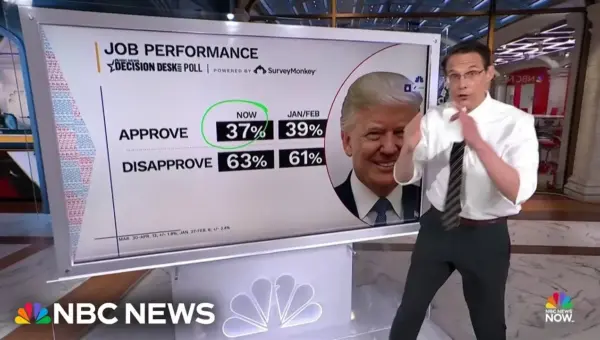
Trump Approval Dips to New Low Amid War and Rising Costs
President Trump's approval rating has dropped to a new low of 37%, with the ongoing war in Iran and rising inflation cited as key reasons. Young voters, particularly Generation Z, are showing significant disapproval, with 76% expressing negative views of his job performance. Student interviews reveal widespread frustration with economic conditions and foreign policy decisions.


Trump Rewrites War Narrative, Blames Democrats for Failure
Donald Trump is blaming Democrats for a difficult situation with Iran, a move critics call a political tactic to deflect blame. This follows a pattern of cutting taxes, reducing benefits, and increasing debt, with blame then shifted to the opposition when things go wrong.