UK Immigration Reforms: Refugees Face Temporary Status, Cash Incentives to Leave
The UK has introduced significant immigration reforms, including temporary refugee status and offers of up to £40,000 for families to leave voluntarily. Experts question the deterrent effect of these measures, while critics raise concerns about integration and fairness.

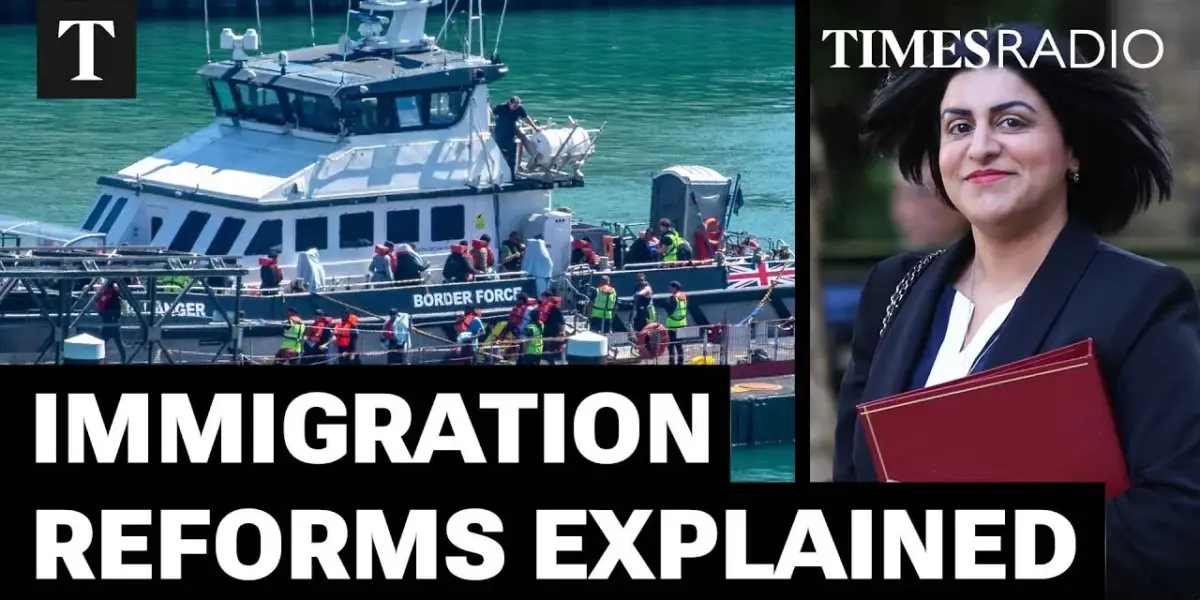
UK Unveils Sweeping Immigration Reforms: Temporary Status for Refugees, Financial Incentives for Departure
Home Secretary Shabana Mahmood has introduced a series of significant immigration reforms aimed at curbing illegal immigration and managing asylum claims. The new policies, announced this week, include a fundamental shift to temporary refugee status and a controversial offer of up to £40,000 for families to voluntarily leave the UK. Mahmood described these measures as the “only alternative to the fairy tales of open borders,” positioning them as a pragmatic approach to a complex issue.
End to Permanent Refugee Status Sparks Debate
Under the new system, individuals recognized as refugees will no longer be granted permanent status. Instead, they will receive initial status for 30 months, requiring them to reapply for permission to stay in the UK thereafter.
A crucial element of this change is the provision that if the country of origin is deemed safe, individuals may be required to return. This contrasts with the current system, which allows recognized refugees five years of status before they can apply for indefinite leave to remain.
Dr. Mina Kibbus, a researcher at the Oxford Migration Observatory, highlighted that the effectiveness of this policy in deterring asylum seekers remains uncertain. “We don’t have a lot of evidence on the differences between temporary and permanent status,” she stated. “There’s only one other country in Europe that has a system similar to the new one, and that’s Denmark.” While Denmark has seen a significant decline in asylum applications over the past decade, Kibbus cautioned that the extent to which this is attributable to the temporary model and whether similar effects would manifest in the UK’s distinct context are unknown.
The proposal has divided opinion. Supporters argue it is a fair measure, allowing for return if conditions in a person’s home country improve. They suggest that the current system’s perceived long-term security acts as a pull factor.
However, critics, including Labour MPs like Ruth Jones, argue that temporary status hinders integration and creates instability for refugees. Concerns have also been raised about the potential bureaucratic burden and cost for the Home Office in managing these frequent reapplication processes.
Financial Incentives: A Cost-Saving Measure or Unfair Offer?
Perhaps the most debated aspect of the reforms is the offer to families of asylum seekers of up to £40,000 to return to their home country or face deportation. Home Secretary Mahmood defended this initiative by pointing out the significant cost taxpayers incur in housing individuals in hotels indefinitely.
“Keeping an individual in an asylum hotel, as it often happens in these situations, that costs up to 120 pounds a day per person,” Kibbus explained. “So, you can see how for a family of four, that adds up very quickly.” She added that forced deportations also incur substantial costs for escorts and charter flights, suggesting the voluntary return scheme could, in theory, be more economical.
The substantial sum has drawn criticism, with some members of the public questioning why such funds cannot be allocated to domestic issues like supporting rough sleepers. Danny Shaw, a former Home Office advisor, acknowledged the difficulty in selling the policy.
“Of course, it’s a difficult sale and you would have seen some of the headlines over the past few days about it,” he said. “But the reality is you have to take some of these tough decisions.” Shaw framed the policy as a necessary step to save money in the long run by offering incentives for people to leave if they have exhausted all legal avenues.
Immigration lawyer Harup Singh Bangal offered a nuanced perspective on the financial offer, emphasizing that the money is unlikely to be disbursed as a lump sum. “They’ll drip feed it to the migrants,” he explained. “So they’ll give an initial amount of maybe say one or 2,000 including tickets…
Then every few months they’ll make sure that the person is still there and then they’ll drip feed them the next installment.” Bangal described it as a “resettlement grant” designed to ensure individuals are genuinely leaving and not using the funds to immediately return. He noted that over 28,000 people voluntarily left the UK in the past year without such incentives, suggesting this enhanced scheme could further increase those numbers.
Deterrent Effect Questioned by Experts
A central question surrounding these reforms is their potential to deter individuals from attempting to reach the UK, particularly those crossing the English Channel. Experts largely expressed skepticism about the deterrent effect of the temporary status policy.
“I don’t think it will make a difference to anyone who’s in Northern France thinking about trying to get to the UK,” Danny Shaw commented. “My claim is going to be reviewed in two and a half years if I get, you know, I just don’t think that’s going to make a difference.” He elaborated that individuals are primarily focused on reaching British soil, believing they will have a chance to stay and establish roots, rather than contemplating long-term passport prospects or the intricacies of asylum status reviews.
Harup Singh Bangal concurred, stating, “If people want to cross the channel to get into the UK, they want to get into the UK by any means.” He argued that people smugglers, who operate on profit and are often steps ahead of government policy, will continue to exploit the demand. “The only way to claim asylum in the UK is if you set foot in that country.
We are the only people who can get you there. Here is our product.”
The £40,000 offer, while substantial, is also unlikely to be a primary deterrent for those driven by desperate circumstances. “Migrants think that far ahead.
They’re not going to think in 10 years am I going to get a passport of this country or not?” Bangal questioned. The allure of safety or family reunification appears to be a more powerful motivator than the prospect of a financial incentive to leave, especially when the funds are disbursed incrementally.
Broader Implications and Political Positioning
The reforms place the government in a complex political landscape, attempting to balance firm control with compassionate policies, as Shabana Mahmood articulated her approach as “fair but firm, compassion and control.” The measures aim to address public concerns about immigration numbers and border control, particularly in the context of upcoming elections and the rise of parties advocating for stricter policies.
Labour MPs have expressed concerns that the reforms could undermine integration and social cohesion. The government is expected to announce further measures related to social cohesion next week. Meanwhile, the debate continues over whether these policies represent a necessary step towards regaining control of a dysfunctional system or a move towards harsher, potentially ineffective, immigration practices.
What’s Next?
The implementation details of these reforms, particularly the reapplication process for refugee status and the exact disbursement mechanism for the voluntary return payments, will be crucial. Observers will be watching closely to see if these measures genuinely reduce asylum claims and illegal crossings, or if they create new bureaucratic challenges and fail to deter those determined to reach the UK. The response from human rights organizations and the ongoing political discourse will also shape the future of UK immigration policy.
Source: How Shabana Mahmood’s New Immigration Reforms Will Impact Current Policies (YouTube)

Related Articles

Congress Pushes $70 Billion for ICE, Border Patrol Funding
Senators have voted to advance a $70 billion funding plan for ICE and CBP, marking a significant step in a complex legislative process. The move, driven by Republicans, aims to secure multi-year funding for immigration enforcement agencies amidst Democratic opposition and looming funding shortfalls.

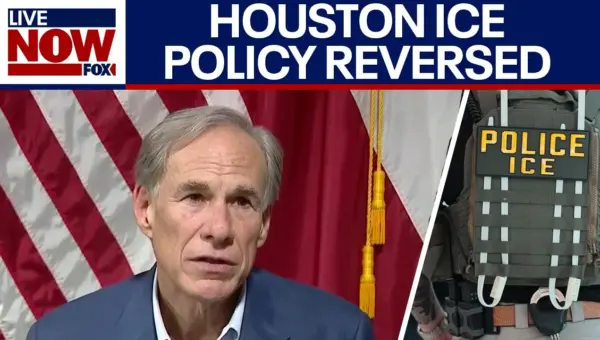
Abbott Threatens Houston with $100M Cut Over ICE Policy
Texas Governor Greg Abbott has threatened to withhold over $100 million in law enforcement funds from Houston unless the city's police department fully complies with a contract requiring cooperation with ICE. Abbott called the city's initial policy "outrageous" and emphasized the need for public safety. The situation serves as a warning to other Texas cities regarding immigration policy compliance.


DHS Faces Funding Crisis as Lawmaker Blasts Democrats
Homeland Security faces a potential funding crisis, with warnings of unpaid employee salaries by May due to depleted emergency funds. A lawmaker criticized Democrats for a bill that would zero out funding for border patrol and ICE, highlighting national security risks. Meanwhile, a deal to keep two Pennsylvania coal plants open signals a focus on balancing energy needs with environmental standards.