Protesters Rally Against Potential Trump-Fueled Iran War
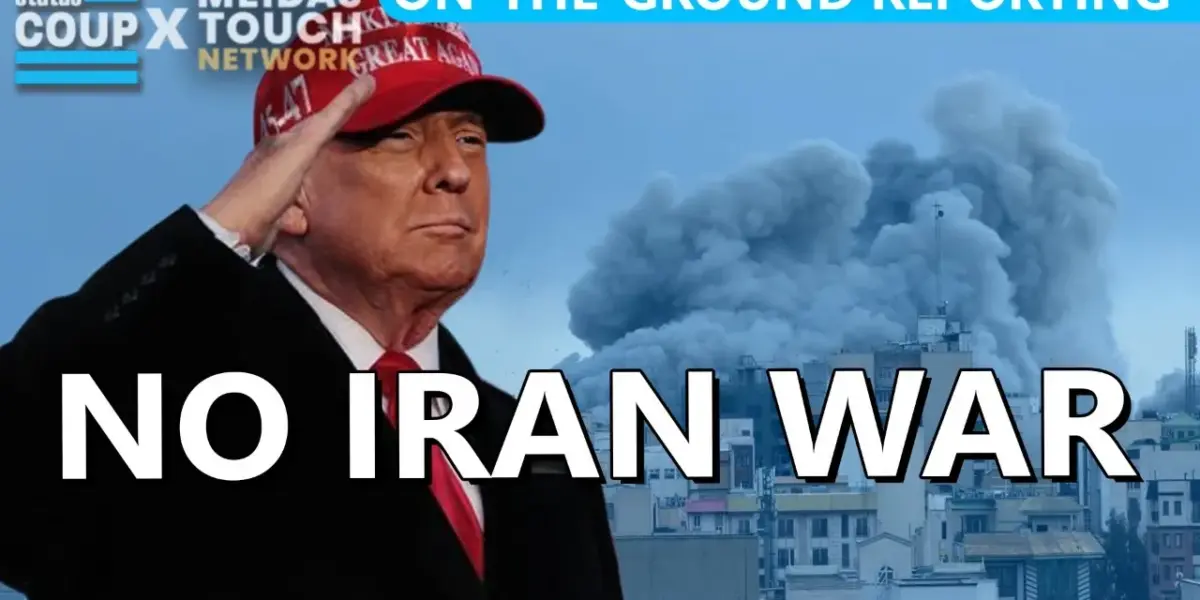
New York City residents gathered to protest the potential for a U.S. war with Iran, criticizing former President Trump's alleged advocacy for military action. Independent outlet Status Coup covered the demonstration, highlighting calls for de-escalation and diplomatic solutions.

Voices Rise in NYC: A Protest Against Escalation
In the heart of New York City, a vocal contingent of residents gathered to express their deep-seated concerns over the escalating tensions between the United States and Iran. The protest, covered live by Status Coup, a self-proclaimed independent on-the-ground reporting outlet, centered on the fear of a potential war, with protesters specifically targeting former President Donald Trump’s rhetoric and perceived influence in pushing for military action. The gathering aimed to amplify voices often drowned out by mainstream media, providing a platform for those directly impacted by or opposed to foreign policy decisions that could lead to conflict.
The Core Grievances
The central theme resonating through the protest was a fervent opposition to any military engagement with Iran. Participants expressed a desire for de-escalation and a diplomatic approach to international relations.
A significant undercurrent of the demonstration was the accusation that former President Trump is actively promoting a path towards war, a narrative that the protesters sought to highlight and challenge. The specific mention of Israel in the context of Trump’s alleged advocacy for an Iran conflict suggests a perceived geopolitical alignment driving these concerns.
Status Coup: An Independent Voice
Status Coup positioned itself as the journalistic backbone of this demonstration, emphasizing its commitment to “independent on-the-ground reporting” that aims to uncover what it terms “corporate media covers up.” The outlet’s mission, as stated in its promotional material, is to provide a microphone to the people, particularly working-class individuals whose perspectives are often marginalized. By covering events like this protest, Status Coup seeks to offer an alternative narrative to established media channels, focusing on grassroots movements and the voices of ordinary citizens.
The organization highlighted its past coverage of significant events, including the Flint water crisis, the January 6th Capitol attack, and the UAW strike, as evidence of its dedication to reporting on crucial issues from the front lines. This framing suggests a conscious effort to align itself with movements advocating for social justice and against established power structures. Their operational model, funded by the people, highlights their independence and reliance on community support.
Historical Context: A Familiar Landscape
The anxieties surrounding a potential conflict with Iran are not new. The United States has a complex and often contentious relationship with Iran, marked by decades of diplomatic friction, economic sanctions, and military posturing.
The history includes the 1953 coup that overthrew Prime Minister Mohammad Mosaddegh, the 1979 Islamic Revolution, the Iran hostage crisis, and more recently, the Joint Comprehensive Plan of Action (JCPOA) nuclear deal and its subsequent withdrawal by the Trump administration. Each of these events has contributed to a climate of mistrust and has informed the ongoing debate about U.S. policy toward Iran.
The current geopolitical climate, characterized by regional instability and shifting alliances, adds another layer of complexity. Protesters’ concerns about the rhetoric of political figures, particularly regarding foreign policy, echo historical instances where strongman politics and nationalist fervor have been linked to the escalation of international tensions. The specific mention of Trump’s potential role taps into a broader public discourse about his approach to foreign affairs, which has often been seen as disruptive to established diplomatic norms.
Why This Matters
This protest, and the reporting around it, matters because it represents a crucial aspect of democratic engagement: the right to dissent and to influence public policy. The concerns raised by the protesters are not abstract; they speak to the profound human and economic costs of war. The potential for military conflict carries the risk of loss of life, displacement of populations, and severe economic repercussions, not only for the involved nations but for the global community.
The existence and promotion of independent media outlets like Status Coup are vital for a healthy public sphere. At a time when information can be easily manipulated and narratives can be shaped by powerful interests, outlets that prioritize unfiltered, on-the-ground reporting offer a valuable counterpoint.
They empower citizens by providing access to diverse perspectives and holding those in power accountable. The focus on amplifying working-class voices is particularly important, as these are often the communities most directly affected by policy decisions but least represented in traditional media.
Implications, Trends, and Future Outlook
The protest highlights a growing trend of public skepticism towards foreign military interventions and a desire for more diplomatic solutions. It reflects a segment of the population that is actively engaged in scrutinizing foreign policy and demanding greater transparency and accountability from political leaders. The emphasis on Trump’s alleged role also points to the enduring impact of his presidency and the ongoing debate surrounding his influence on U.S. Foreign policy, even outside of his time in office.
The future outlook suggests a continued tension between those advocating for a more assertive, interventionist foreign policy and those pushing for de-escalation and diplomacy. The role of independent media in shaping public opinion and facilitating these debates will likely become even more critical.
As geopolitical landscapes continue to evolve, the ability of citizens to organize, protest, and have their voices heard, amplified by independent reporting, will remain a cornerstone of democratic societies. The challenge lies in ensuring that these voices are not only heard but also genuinely considered in the halls of power.
Source: LIVE STOP TRUMP'S Iran War Protest in NYC (YouTube)

Related Articles
Trump’s Pakistan Meeting Gambit Stalls Amidst Iran’s Demands
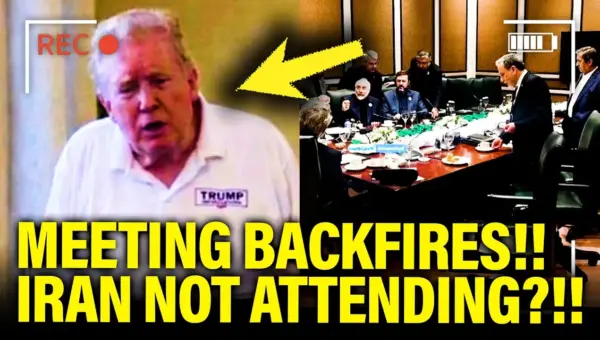
Donald Trump's reported attempts to negotiate with Iran via Pakistan are faltering as Iran insists on preconditions. Public statements from both sides reveal deep mistrust and conflicting narratives, particularly concerning the JCPOA and the blockade of the Strait of Hormuz.

Trump’s Iran Threats Expose Desperation Amidst Falling Approval
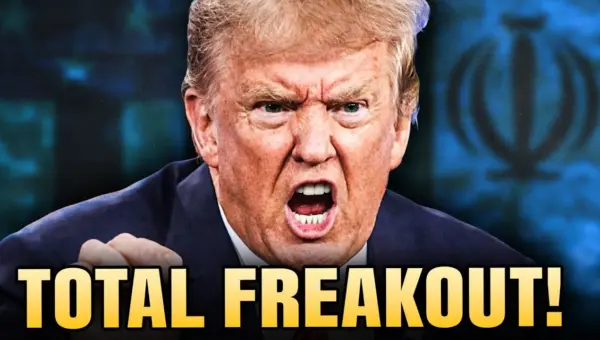
Donald Trump's recent online statements about Iran, including threats of "total destruction," have alarmed global leaders. These aggressive pronouncements come amidst low approval ratings and a complex geopolitical climate, raising concerns about potential escalation.
Trump’s Iran Policy Lacks Strategy, Says Journalist
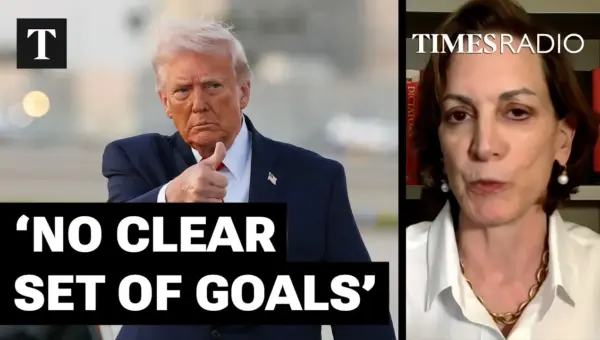
Pulitzer Prize-winning journalist Anne Applebaum criticizes Donald Trump's foreign policy, stating he lacks strategic thinking and a clear "endgame." She points to his unpredictable approach to the Iran conflict and concerns raised within the White House about his decision-making process. Applebaum also discusses allegations of unprecedented corruption and draws lessons from Viktor Orban's recent electoral defeat in Hungary.