US Strikes Iran: Economy, Not Conflict, Dominates American Minds
Despite escalating tensions and US strikes in Iran, American voters appear more concerned with the domestic economy. Polling reveals a majority oppose the conflict, while experts warn that economic woes could overshadow foreign policy, impacting President Trump's political future.

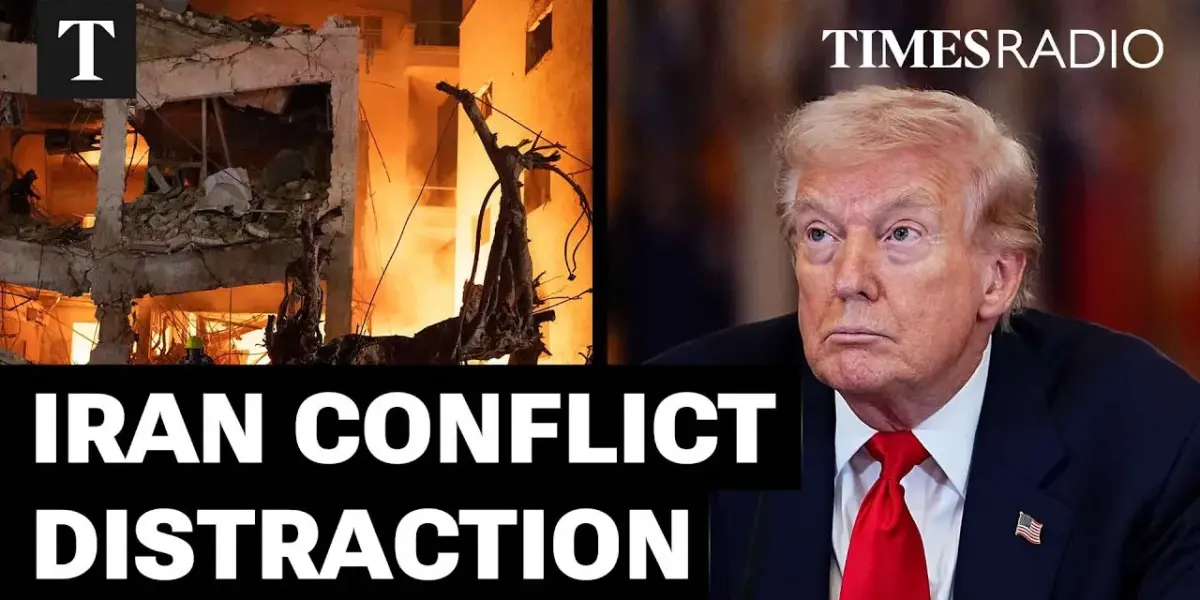
US Strikes Iran Amidst Domestic Economic Concerns
In the wake of President Trump’s decision to launch strikes in Iran, a move that resulted in the death of Supreme Leader Ayatollah Khamenei, international leaders and the American public find themselves divided. While the conflict has captured global attention, new polling data and expert analysis suggest that domestic economic issues are paramount for American voters, potentially overshadowing foreign policy successes or failures.
Shifting Public Opinion on Foreign Intervention
Contrary to the traditional ‘rally around the flag’ effect often seen during initial military engagements, a significant portion of Americans are expressing opposition to the conflict. Recent polls indicate that a majority, around 56%, disapprove of the military action, a figure that has remained relatively steady from initial surveys showing 59% opposition.
Only about 40-42% of Americans support the military intervention. This opposition extends to a portion of the Republican base, with approximately 20% of Republicans reportedly against the conflict, indicating a lack of unanimous support for President Trump’s actions among his core constituents.
“In all my life, whenever an American president’s gone to war, Democratic or Republican, at the outset, there’s been a rally around the flag effect where you have a vast majority of Americans who support the military operations. That didn’t happen this time.”
— Scott Lucas, Professor of International Politics, University College Dublin
Internal Divisions Within the MAGA Movement
The intervention in Iran has also exposed widening rifts within President Trump’s staunchest supporters, the MAGA movement. While many remain deeply entrenched in their support, a growing number of high-profile figures and commentators are voicing opposition.
This includes figures like Marjorie Taylor Greene, who had previously diverged from Trump on other issues, and Tucker Carlson, who has expressed concerns about the US’s close ties to Israel. Even influential media personalities such as Megan Kelly have voiced dissent, while others, like podcaster Joe Rogan, have expressed fatigue with the ongoing uncertainty, indicating a lack of unqualified, full-throated support from key voices within the movement.
Economic Woes as the Primary Concern
Despite the dramatic geopolitical developments in Iran and the ongoing focus on the Middle East, experts argue that the state of the American economy remains the number one issue for voters. Rising inflation, sluggish economic growth at 1.5% last quarter (falling short of the projected 3%), and disruptions to government services due to policy changes are creating domestic headwinds. Professor Scott Lucas emphasizes that if President Trump fails to address these economic challenges, it could prove detrimental to his political standing, even if he were to achieve success in foreign policy endeavors.
“As much as Iran’s grabbing the attention right now, as much as Gaza grabbed it last year quite rightly, I think it comes down to the economy as the number one issue. And the American economy is not doing well.”
— Scott Lucas, Professor of International Politics, University College Dublin
The Peril of Entanglement: A Historical Trap
The situation in Iran is being framed by some analysts as a potential historical trap for any American president. The initial plan, which involved the swift removal of the Supreme Leader and an expectation of regime collapse, appears to have faltered. The Iranian regime has not collapsed, and the Iranian people have not risen up in immediate revolt.
This has left the administration in a difficult position, with a lack of a clear Plan B. The warning, “you break it, you buy it,” once issued by former US Secretary of State Colin Powell regarding Middle East interventions, seems particularly relevant as the US finds itself potentially entangled in a complex and unpredictable situation without a clear exit strategy or a defined outcome.
Midterm Elections and Economic Outlook
As the nation looks towards upcoming midterm elections, the economic narrative is likely to be a central theme. While foreign policy events may capture headlines, the tangible impact of the economy on American households could ultimately be the deciding factor for many voters. The challenge for President Trump will be to pivot from foreign entanglements to domestic economic recovery, a task that may prove more critical for his political future than any perceived success in the Middle East.
Looking Ahead
The coming months will be crucial in determining whether President Trump can navigate the dual challenges of foreign policy in Iran and the pressing economic concerns at home. The effectiveness of his administration’s economic policies, coupled with the evolving situation in the Middle East, will be closely watched by both domestic and international observers. The potential for rising gas prices, a direct consequence of geopolitical instability, could further exacerbate economic anxieties and influence voter sentiment leading into critical elections.
Source: If Trump Doesn’t Fix The US Economy It Won’t Matter If He Succeeds In Iran (YouTube)

Related Articles
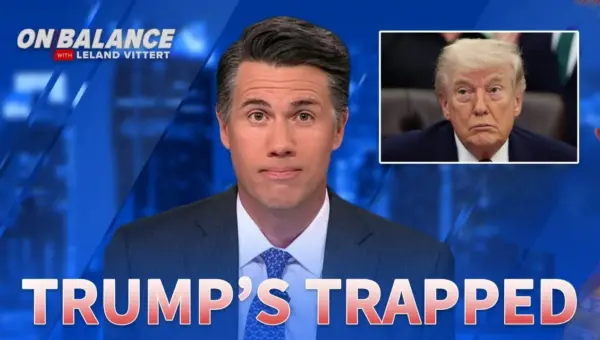
Trump Faces Iran Crisis: Trapped with No Easy Answers
Former President Trump faces a complex crisis with Iran, appearing trapped with limited options. Public opinion and Iran's strategic maneuvering suggest a need for a deal, but leverage is scarce. The situation echoes historical tensions and raises questions about future diplomatic outcomes.

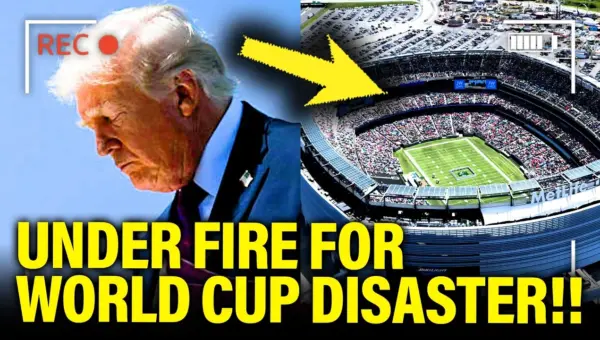
Trump Policies Threaten World Cup Dream
The 2026 World Cup faces significant hurdles due to U.S. travel restrictions, high costs, and complex visa processes. Industry experts now predict a smaller economic boost than initially hoped, raising concerns about the tournament's success and the U.S.'s image as a host nation.

Military Leaders Sideline President Amid Fears of Erratic Behavior
Military advisors reportedly excluded President Trump from command during a critical operation due to fears of his erratic behavior. This has reignited calls for invoking the 25th Amendment, highlighting concerns about presidential fitness and national security.