Trump’s War Gamble: Economic Chaos Looms Large
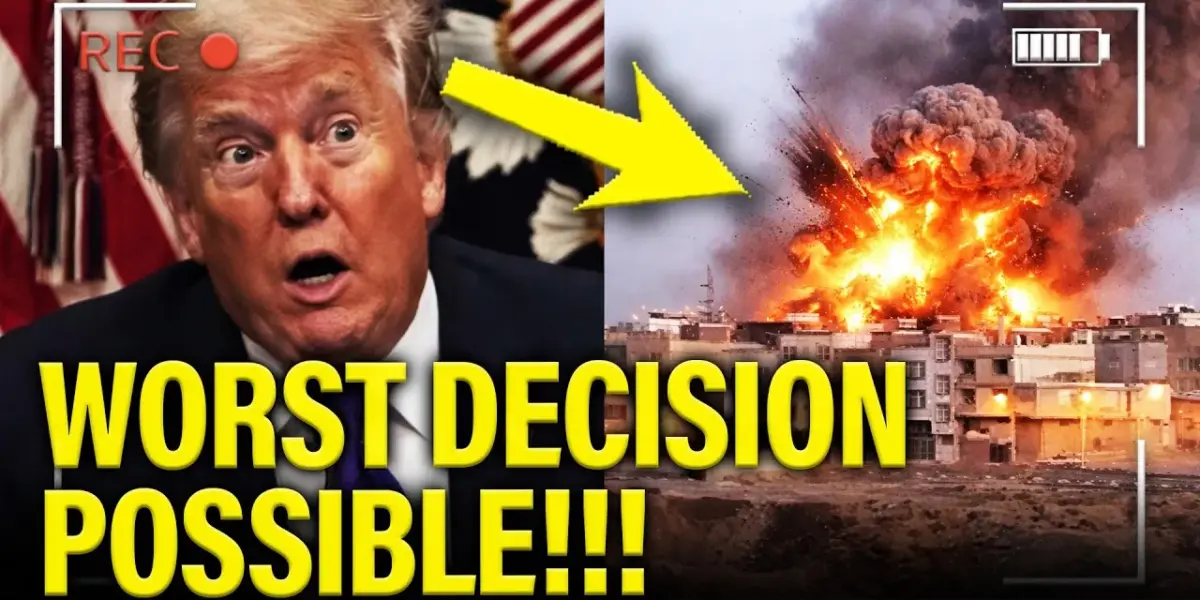
Donald Trump's recent decisions, including an invasion of Iran and a flawed insurance plan for shipping, are sparking fears of global economic collapse. Qatar warns of worldwide calamity, with oil prices soaring and production halted. The U.S. faces depleted oil reserves and a shaky labor market amidst a backdrop of trade disputes and financial uncertainty.

Trump’s War Gamble: Economic Chaos Looms Large
In a tumultuous period marked by escalating international conflict and domestic economic anxieties, a critical analysis of Donald Trump’s recent actions reveals a pattern of decisions with potentially catastrophic global repercussions. The narrative emerging from recent events suggests a series of “fatal errors” that could plunge the world into economic calamity, impacting everything from oil prices to global GDP.
The ‘Board of Peace’ and the Invasion of Iran
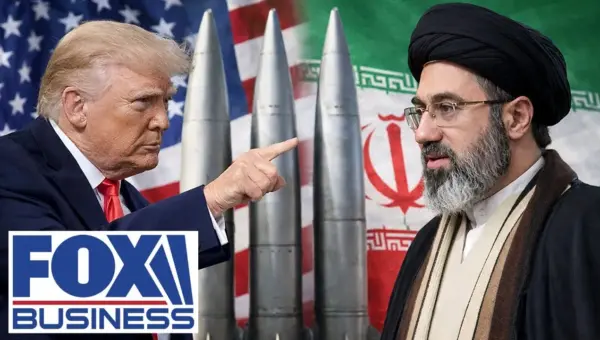
The genesis of the current crisis appears to be rooted in a controversial initiative by Donald Trump, who reportedly convened Middle Eastern nations for a “Board of Peace” meeting. During this summit, he allegedly pressured these countries to provide financial contributions in exchange for protection. This move, characterized by critics as a “shakedown,” has been followed by an impulsive decision to initiate an invasion of Iran, reportedly after learning of Israel’s intent to do the same.
This unilateral action has been described as a betrayal of the very nations Trump sought to engage, particularly those with whom he also had personal business interests. The invasion has seemingly alienated allies and destabilized a region already fraught with tension.
Qatar’s Dire Warnings: Economic Calamity on the Horizon
The economic fallout from these decisions is already being acutely felt and voiced by key global players. Qatar, a nation typically known for its measured economic pronouncements, has issued stark warnings about the potential for global economic collapse. According to reports, Qatar predicts that the Iran war could bring down the economies of the world.
The specter of soaring oil prices looms large, with predictions that crude could reach $150 per barrel within days as Gulf countries prepare to shut down production. Qatar’s forecast is dire: all Gulf energy exporters may cease production entirely within days.
Even if the conflict ends immediately, Qatar suggests a recovery could take weeks or months. Natural gas prices are expected to skyrocket by 400%, and global GDP is projected to suffer significantly, potentially leading to a world economic depression if the situation persists.
A Flawed Insurance Scheme: The Strait of Hormuz Dilemma
In response to the escalating crisis, the Trump administration has proposed offering insurance to vessels navigating the Strait of Hormuz, aiming to mitigate the risks posed by Iranian actions. However, this initiative faces a critical hurdle: a significant funding shortfall. The U.S. Development Finance Corporation (DFC), tasked with underwriting these policies, is reportedly $200 billion short of the required capacity.
The DFC’s current capacity, estimated at $154 billion against a needed $325-352 billion, necessitates an act of Congress to raise the liability cap. This bureaucratic and financial impediment casts doubt on the efficacy of the proposed insurance plan.
The impact is already evident, with traffic in the Strait of Hormuz plummeting by 92% and nearly 20 million barrels of oil supply frozen. Trump’s subsequent proposal to underwrite insurance on a rolling basis, $20 billion at a time, has done little to inspire confidence, especially as Iran’s drone and missile capabilities continue to pose a threat.
Depleted Reserves and Missed Opportunities
Adding to the economic vulnerability, the United States’ strategic oil reserves are at their lowest point in years, standing at approximately 415 million barrels, or 58% of capacity. Critics point out that Trump failed to capitalize on lower oil prices in the preceding year to replenish these reserves before launching the conflict. This oversight leaves the U.S. Exposed as oil prices surge due to the war.
This stands in contrast to the Biden administration’s approach, which, despite criticism, involved selling oil from reserves to manage prices and then replenishing them when prices fell. Trump’s past promises to replenish reserves, including a stated intention to use Venezuelan oil, have not materialized, raising questions about where those resources have gone.
Tariffs, Trade Wars, and a Collapsing Labor Market
The economic turmoil is compounded by a history of protectionist trade policies. Despite a Supreme Court ruling against his emergency tariffs, Trump reportedly invoked Section 122 of the Trade Act of 1974 to impose a 15% tariff across the board, further alienating international partners. This, combined with the invasion of Iran and the failure to address strategic reserves, paints a picture of a presidency making decisions that harm both domestic and international economic stability.
The labor market, a key indicator of economic health, has shown alarming signs of distress. Recent data revealed a loss of 92,000 jobs in February, a stark contrast to expectations of job gains.
Unemployment has surged to 4.4%. This pre-dates the invasion of Iran, suggesting underlying economic weaknesses are being exacerbated by current events.
Conflicting Narratives and Economic Uncertainty
Within the administration and among its allies, there are conflicting narratives regarding the economic situation. Some officials downplay inflation, attributing it to measurement issues, and advocate for a neutral monetary policy. Others acknowledge the negative jobs report but attribute it to factors like weather, strikes, and procedural changes, while maintaining an overall optimistic outlook on the economy’s long-term strength.
Meanwhile, major financial institutions are experiencing liquidity challenges. BlackRock and Blackstone have reportedly frozen billions in withdrawal requests from their funds, indicating a potential liquidity crunch and investor unease. This adds another layer of concern to the already precarious economic landscape.
Why This Matters
The confluence of geopolitical conflict, economic mismanagement, and financial instability presents a clear and present danger. The decisions made by Donald Trump, particularly the invasion of Iran and the subsequent economic fallout, have the potential to trigger a global recession or even depression.
The reliance on a flawed insurance scheme, depleted strategic reserves, and aggressive tariff policies further exacerbate the risks. The conflicting messages from economic officials and the liquidity issues faced by major financial institutions only serve to heighten uncertainty and fear.
Implications, Trends, and Future Outlook
The current trajectory suggests a period of prolonged economic hardship. The trend towards protectionism and unilateral action, coupled with an escalating conflict, is a recipe for disaster.
The future outlook is bleak, with projections of hyperinflation, widespread job losses, and a potential collapse of global financial markets. The ability of nations to recover from such an event will depend on their resilience, their ability to cooperate, and the effectiveness of policy responses.
Historical Context
The current situation echoes historical instances where geopolitical conflicts have led to severe economic disruptions, such as the oil crises of the 1970s. The lessons learned from those periods—the importance of energy security, diversified economies, and international cooperation—appear to have been largely ignored in the current decision-making process. The reliance on a “big government” solution for insurance, while simultaneously advocating for deregulation, highlights a potential ideological contradiction that could further complicate recovery efforts.
Source: Trump makes FATAL CALCULATION during WAR!!! (YouTube)

Related Articles

Trump’s Iran Threats Expose Desperation Amidst Falling Approval
Donald Trump's recent online statements about Iran, including threats of "total destruction," have alarmed global leaders. These aggressive pronouncements come amidst low approval ratings and a complex geopolitical climate, raising concerns about potential escalation.
Iran’s Economy Hit: $450 Billion Daily Loss Amid Blockade
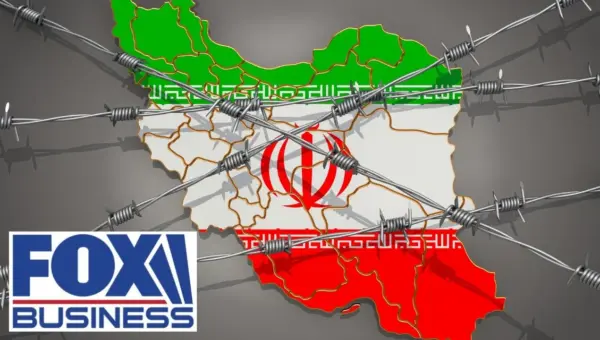
Iran is reportedly losing $450 billion daily due to a strategic blockade, significantly squeezing its economy. Analysts believe the focus has shifted to diplomatic and economic pressure to compel internal political changes within the regime. Building an international coalition is seen as crucial for success, with the potential for renewed military operations if diplomatic efforts fail.
Markets Shrug Off Iran Tensions as AI Drives Stocks Higher
Global stock markets are defying geopolitical tensions surrounding Iran, with major indices holding near record highs. Investors are increasingly focusing on the powerful growth narrative of artificial intelligence (AI), which is overshadowing concerns about oil prices and regional instability. Economic resilience and strong corporate earnings are providing a stable backdrop for this market behavior.