MAGA Youth’s Toxic Texts Expose GOP’s Deep-Seated Extremism
Leaked texts from young Miami GOP members reveal rampant antisemitism, racism, and violent fantasies, raising alarm about the future of the Republican party. The content, including the use of slurs and Nazi ideology, highlights a disturbing trend among the party's emerging leaders.

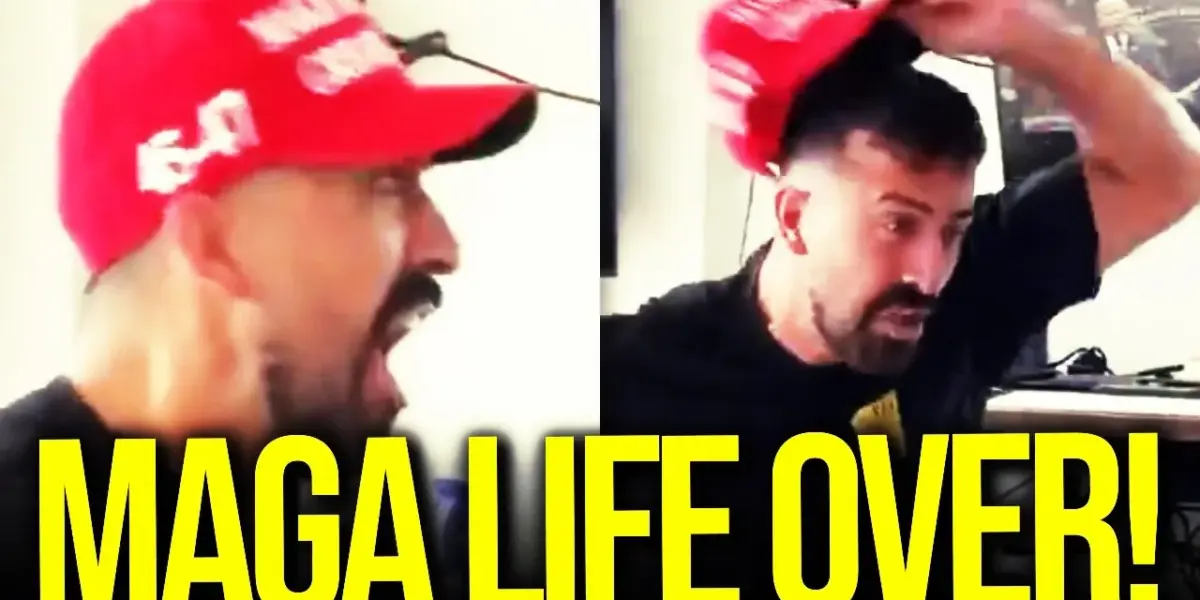
MAGA Youth’s Toxic Texts Expose GOP’s Deep-Seated Extremism
A recent leak of group chat messages involving young Republicans associated with the Miami GOP and Florida International University (FIU) has sent shockwaves through the political landscape. The content, described as distressing and abhorrent, features rampant use of racial slurs, antisemitic sentiments, and violent fantasies, raising urgent questions about the direction and values of the modern Republican party, particularly its emerging generation of leaders.
The Unveiling of Hate: Leaked Messages and Key Figures
The leaked chat, reportedly titled “Uber Yapping Inc.,” was administered by Abel Alexander Carval, the Miami GOP secretary. Alongside him in the chat were Dariel Gonzalez, identified as the FIU College Republicans membership director and a trained historian specializing in South Florida, and Ian Valdis, the FIU Turning Point chapter president.
The messages reveal a disturbing pattern of behavior, including the use of the N-word over 200 times and celebrations of the removal of an African-American activist from the FIU College Republicans. The transcript highlights specific instances where participants engaged in vile rhetoric, such as “Total n-word death,” attributed to Gonzalez, and a direct reference to an African-American student named Sandra being subjected to racial slurs, leading to her departure from the group.
Beyond racist language, the chat also delved into antisemitic territory. Valdis, in particular, is cited for expressing antisemitic sentiments when referencing marrying a Jewish woman, with the transcript noting the use of slurs and references to Nazi ideology, including the renaming of the chat to a location associated with the Nazi belief in a hidden homeland for the Aryan race. This exploration of hate extends to fantasies of physical harm and extermination of African-Americans, with Carval himself reportedly participating in and fueling this rhetoric.
Broader Implications: The Next Generation of the GOP?
The leak has drawn parallels to figures like Nick Fuentes, described as a raging antisemite and purveyor of hateful rhetoric, who garners significant viewership online. The concern, amplified by commentators like Mehdi Hasan, is that this represents the “next generation of the Republican party.” The lack of public condemnation from Republican officials, from local to federal levels, is a recurring theme, with the transcript lamenting the silence and the tendency to dismiss such incidents as mere “joking.”
The transcript points out the official roles held by individuals involved, emphasizing that Carval, as the Miami-Dade GOP secretary, is an elected official responsible for representing a diverse constituency, including over 170,000 African-American voters. The source quoted in the transcript questions how an officer entrusted with such a role could openly participate in hateful exchanges and whether this will impact future elections.
Historical Context and Echoes of Extremism
The references to Nazi ideology, specifically Heinrich Himmler and the concept of a hidden homeland for the Aryan race, are not incidental. They tap into a historical wellspring of white supremacy and antisemitism that has long plagued various political movements.
The dehumanizing nature of racial slurs, as noted, is rooted in a history of discrimination and violence. The transcript implicitly connects this contemporary manifestation of hate to historical patterns, suggesting that these are not isolated incidents but rather echoes of dangerous ideologies resurfacing.
A Troubling Association: James Fishbach and the Tinder Controversy
The analysis extends to another figure, James Fishbach, a candidate in Florida’s gubernatorial race. The transcript details allegations of his past inappropriate relationship with a 17-year-old, who was 16 when they initially began communicating.
Fishbach’s defense that he was not charged or convicted is juxtaposed with the fact that the woman sought an order of protection against him, which involved subpoenaed text messages. The transcript questions his behavior, highlighting numerous texts sent to the minor, suggesting a clear involvement beyond innocent communication.
Adding another layer to the controversy, Fishbach’s campaign strategy involved joining Tinder to connect with “young female voters” and discuss his platform on marriage, homeownership, and family, while also advocating for paid maternity leave. This move, coupled with the allegations of an inappropriate relationship with a minor, has led to sharp criticism and questions about his judgment and suitability for public office. The transcript frames these instances as indicative of a broader trend within certain factions of the Republican party, where individuals with concerning backgrounds and ideologies appear to hold positions of influence or aspire to them.
Why This Matters
This story matters because it offers a stark, unvarnished look into the ideologies being cultivated within a segment of the younger Republican base. The normalization of hate speech, the celebration of violence, and the embrace of antisemitic tropes within official party structures or associated youth organizations are not merely offensive; they are corrosive to democratic values and social cohesion. The silence from party leadership in the face of such revelations is particularly concerning, suggesting either tacit approval or a strategic unwillingness to confront uncomfortable truths about their own party’s makeup.
The involvement of individuals in elected or leadership positions within these groups raises serious questions about accountability and the vetting processes within political organizations. The entanglement of political aspirations with questionable personal conduct, as seen with James Fishbach, highlights a potential erosion of ethical standards in the pursuit of political power.
Implications, Trends, and Future Outlook
The implications of these leaked texts are far-reaching. They suggest a growing radicalization within parts of the youth wing of the Republican party, influenced by online extremism and figures who promote divisive ideologies. The trend indicates a potential future where these hateful views become more mainstream within the party, or at least more tolerated.
The lack of a strong, unified response from Republican leadership could embolden these extremist elements and alienate moderate voters and minority groups. The future outlook is one of continued polarization and a deepening divide, where the Republican party may struggle to reconcile its traditional platform with the increasingly extreme rhetoric espoused by some of its younger members. The upcoming elections will likely be a test of whether such ideologies can be sustained or if a broader reckoning within the party is inevitable.
Source: MAGA Students RUIN THEIR LIVES in Leaked Texts (YouTube)

Related Articles


Ex-GOP Spokesman Asks: When Will Republicans Dump Trump?
A former Republican spokesman questions when the party will reach its limit with Donald Trump, suggesting voters will leave when their daily lives are directly impacted. He points to economic struggles and a disconnect between Trump's "America First" message and his actions as key factors. The article explores how voter apathy, driven by financial concerns, could affect election outcomes.


Radicalized Youth Fueling Violence: America’s Disturbing Trend
A disturbing trend of young men becoming radicalized and committing violent acts is accelerating in America. Factors like pandemic isolation, online algorithms, and extremist influences are contributing to this pattern. Understanding these root causes is crucial for preventing future tragedies.

Democrat Flips NJ Seat, Shrinking GOP House Majority
Democrat Analilia Mejia won a special election in New Jersey, taking Mikie Sherrill's former House seat. Her victory narrows the Republican majority in Congress. Mejia campaigned on progressive policies, while her opponent focused on economic issues.