UK Shifts Stance on Iran Strikes, Citing ‘Defensive’ Needs
The UK has shifted its military stance on the Iran conflict, now permitting the use of its bases for 'defensive purposes' after initially opposing offensive strikes. This adjustment follows Iran's retaliatory actions and aims to protect allies and interests in the region, while grappling with the legacy of past conflicts and the evolving nature of modern warfare.

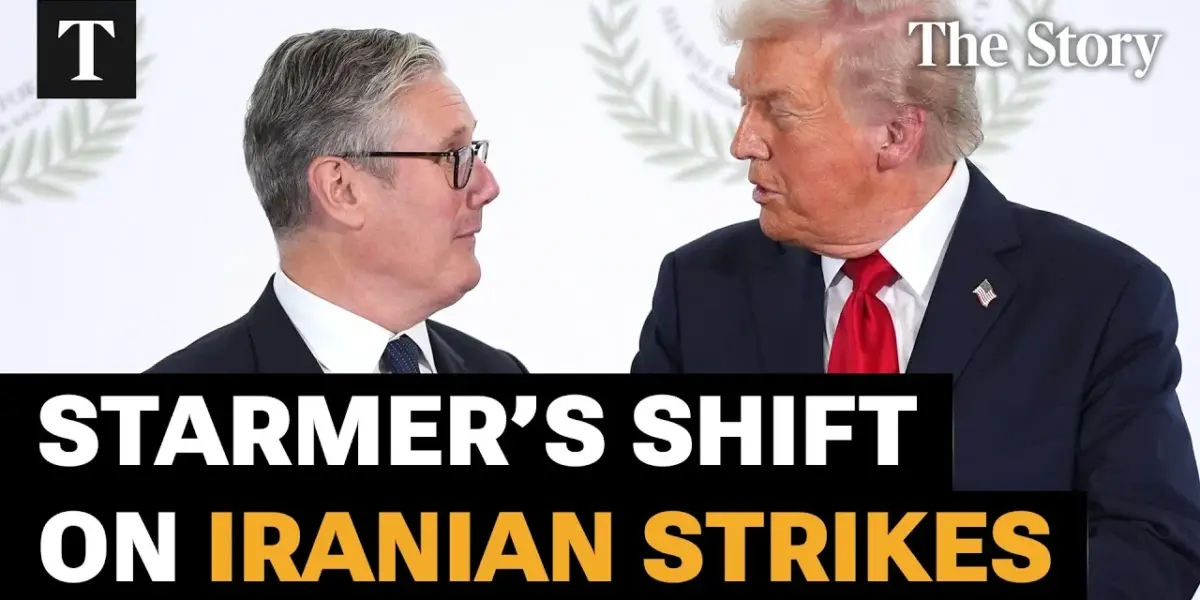
UK Faces Shifting Tides in Middle East Conflict
London, UK – The United Kingdom has navigated a complex and rapidly evolving geopolitical landscape concerning potential military actions against Iran. Initially asserting a firm stance against allowing its bases to be used for offensive strikes, the UK government, under Prime Minister Keir Starmer, has recently shifted its position, now permitting the use of British bases for ‘defensive purposes’ in response to escalating regional tensions.
Initial Opposition to Offensive Strikes
Early in the escalating conflict, Prime Minister Starmer appeared resolute in his opposition to any UK involvement in offensive operations against Iran. Reports from The Times indicated that Starmer had blocked a request from then-President Donald Trump to utilize British air bases for strikes on Iran, citing concerns that such actions would breach international law. This legalistic approach, characterized by defense contributor Michael Evans of The Times as typical of Starmer’s background, suggested a reluctance to engage in what was perceived as a ‘war of choice’ initiated without clear immediate provocation towards the US.
“Iran is pursuing a scorched earth strategy. So we are supporting the collective self-defense of our allies and our people in the region. We are not joining these strikes, but we will continue with our defensive actions in the region.”
Prime Minister Keir Starmer
The Pivot to ‘Defensive’ Engagement
The strategic calculus shifted significantly following Iran’s retaliatory actions against countries in the Gulf region. These retaliations, including the launch of ballistic missiles and drones, directly impacted allies and interests where Britain has a military presence.
In response, the UK government announced a pivot, stating its commitment to supporting the ‘collective self-defense’ of allies. While emphasizing that the UK is not joining the offensive strikes, the government has authorized the use of British bases, specifically mentioning RAF Fairford and Diego Garcia, for launching attacks against Iranian missile launch sites and launchers that pose a direct threat.
UK Military Deployments and Defensive Measures
The UK’s involvement is not confined to base access. The Royal Air Force (RAF) is actively engaged in defensive actions across the region. This includes scrambling Typhoon fighter aircraft to intercept incoming Iranian drones and missiles.
A British warship has been dispatched to Cyprus, a move influenced by attacks on RAF Akrotiri, highlighting the government’s commitment to protecting British assets and personnel abroad. This complex approach aims to safeguard UK interests and allies from escalating threats.
Navigating the ‘Special Relationship’ and Domestic Pressure
The diplomatic tightrope walked by Prime Minister Starmer has been further complicated by the dynamics of the UK-US relationship. While Starmer publicly rebuked Trump’s initial actions as potentially breaching international law, he has also faced pressure to maintain close ties with a key ally.
Michael Evans highlighted the historical depth of the ‘special relationship,’ rooted in intelligence sharing, which remains robust despite political fluctuations. However, politically, the situation has become precarious, with Starmer reportedly struggling to regain the rapport he once cultivated with the former US President.
Domestically, the Prime Minister has faced accusations of political ‘U-turns.’ However, supporters argue that the decision to permit base usage for defensive strikes represents a tactical and strategic adjustment in response to changed circumstances, rather than a policy reversal. The government maintains that Iran does not possess the long-range missile capability to directly threaten the UK mainland, but its interests and assets in the Middle East are vulnerable.
Lessons from Iraq and the Fog of War
The specter of the Iraq War looms large over debates concerning UK military involvement in the Middle East. Prime Minister Starmer has explicitly referenced the ‘mistakes of Iraq,’ a sentiment deeply resonant within the Labour party, which often felt ‘dragged in on a false premise.’ General Sir Patrick Sanders, former Chief of the General Staff, echoed these concerns, emphasizing the critical lessons learned from the Chilcott Inquiry: war must be a last resort, legal bases must be clear, and objectives, means, and ends must be meticulously aligned. The current situation, characterized by a lack of clarity around definitive objectives and potential ‘creative uncertainty’ in defining success, risks echoing past strategic missteps.
The Evolving Nature of Warfare: Drones and Escalation Risks
The conflict is also highlighting the growing prominence of drone warfare. Iran has become a significant developer of drones, such as the Shahed, which can be produced in large volumes.
These are being used strategically to exhaust the air defense stockpiles of adversaries, potentially enabling the subsequent use of more sophisticated ballistic missiles. The UK’s defensive posture, involving counter-air operations against incoming threats, is a direct response to this evolving threat landscape.
Experts caution about the inherent risks of escalation. While the current UK involvement is framed as defensive, the line between defensive and offensive operations can blur.
Striking back at an adversary’s offensive capabilities, even to defend oneself, can be construed as an offensive action. The potential for Iran or its proxies to target critical assets or inflict casualties on allies could compel further UK assistance, necessitating careful calculus regarding the scope of involvement.
Uncertainty and Future Implications
The duration and ultimate impact of the conflict remain uncertain. While some anticipate a campaign lasting weeks rather than months, the finite nature of munitions stockpiles for all involved parties will be a key determinant.
The regional implications are profound, with the rapid escalation and Iranian responses having potentially altered long-standing dynamics between Gulf states and Iran. The lessons from interventions in Syria, Libya, and Iraq serve as clear reminders of the potential for unintended, wider regional consequences, particularly if regimes collapse, unleashing forces that could lead to prolonged suffering and instability.
Source: Uk Military Involvement In Iran Conflict Explained (YouTube)

Related Articles

Gas Prices To Hit $3 This Summer, Treasury Chief Predicts
Treasury Secretary Janet Yellen predicts gas prices could fall to $3.00 a gallon this summer. This optimistic forecast depends on successful negotiations and the reopening of the Strait of Hormuz. Lower gas prices would provide financial relief to consumers and help ease inflation.


Iran Talks Resume as Trump Faces Costly Compromise
Renewed diplomatic efforts are underway as the U.S. and Iran engage in talks aimed at de-escalating rising tensions. Reports suggest a potential deal mirroring past agreements, focusing on limiting Iran's uranium enrichment. This comes after a period of conflict that saw significant costs and damaged U.S. global standing.

UK Parliament Member Slams Trump: ‘Dangerous Gangster’
A member of the British Parliament has sharply criticized former U.S. President Donald Trump, calling him a "dangerous and corrupt gangster." This condemnation reflects growing international concern over Trump's potential return to power and his foreign policy approach. The remarks highlight a global backlash amid fears of increased conflict, particularly regarding Iran.