US-Iran Tensions Escalate: Expert Warns Hostilities ‘Not Likely To End Soon’
Expert analysis suggests that US-Iran hostilities are unlikely to end soon, with Iran potentially doubling down on a hardline approach following recent regional strikes. Concerns are also raised about the UK's defensive capabilities amid escalating global tensions.

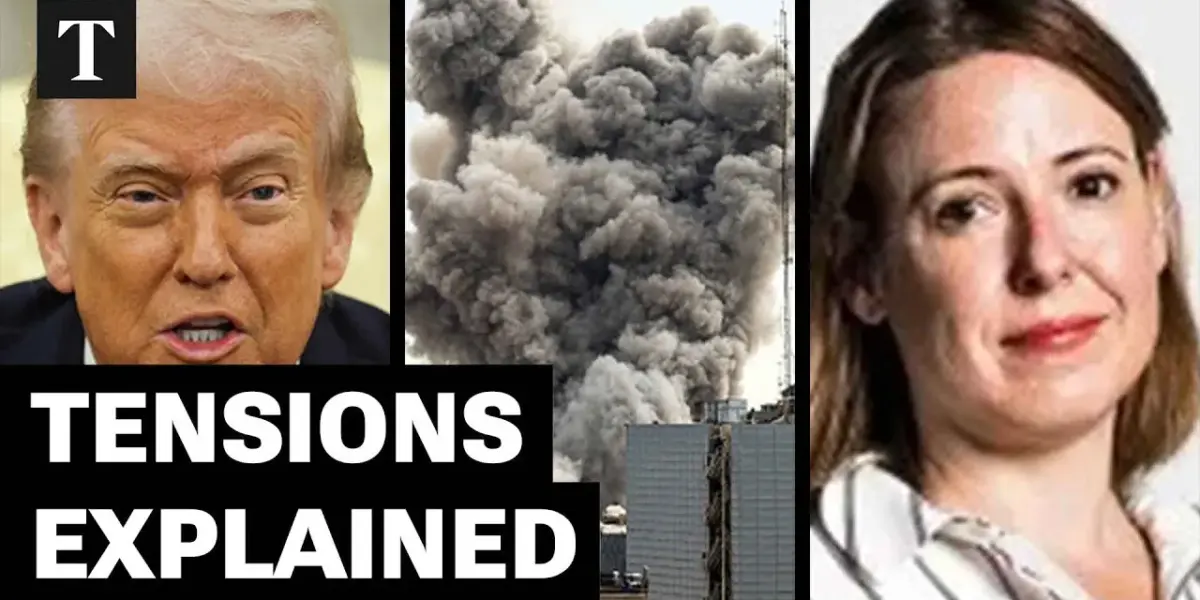
US-Iran Tensions Escalate: Expert Warns Hostilities ‘Not Likely To End Soon’
In the wake of escalating hostilities between the United States and Iran, a leading international affairs expert has cautioned that the current wave of conflict is unlikely to subside in the near future. The remarks come amidst a backdrop of increased regional strikes and a significant shift in Iran’s internal political landscape, suggesting a hardening of the regime’s stance.
Regional Strikes Signal Unabated Conflict
Katherine Phelps, World Affairs Editor at The Times, provided an overview of the volatile situation, stating, “It would be accurate to say that hostilities have not ceased on either side. There’s no sign of letup from the Iranian side striking in the region and no sign of letup on the Israeli American side striking Iran.” These strikes have targeted not only military installations but also internal security structures, including bases of the Basij volunteer militia and the Revolutionary Guard.
Phelps interpreted the American suggestion that the operation has “not even begun” as a form of “forceful messaging” towards Iran. “It could be essentially SCOs messaging towards the Iranians that they shouldn’t expect an offramp,” she explained, linking this to former President Donald Trump’s past assertion that “the time for talking being too late.” Phelps expressed doubt about Iran’s willingness to engage in talks, noting, “it’s not clear who would be doing the talking.”
Succession in Iran: A Hardliner’s Ascent
The analysis also delved into the potential succession of Iran’s Supreme Leader, Ayatollah Ali Khamenei. The prospect of Khamenei’s son, Mojtaba, taking over has emerged, a development Phelps described as indicative of the regime “doubling down on that approach and yeah maybe even deepening.”
Phelps highlighted Mojtaba’s past role in suppressing the 2009 protests against the disputed election of hardliner Mahmoud Ahmadinejad, a period that marked the “shattering of any kind of really recognized political opposition in Iran.” She noted that Mojtaba’s potential ascent goes against the original revolutionary principle that dynastic succession was anti-Islamic. The fact that the Revolutionary Guard reportedly pushed for his appointment suggests a growing influence of the security state over the clerical establishment.
“The fact he’s Khamenei’s son and the Supreme Leader that the Israelis and the Americans have just killed… Mojtaba is a hardliner and it would suggest to me that the regime is doubling down on that approach and yeah maybe even deepening.”
The swiftness of this potential succession, despite internal regime factions reportedly favoring a more gradual approach due to fears of immediate targeting by Israel and the US, highlights the heightened tensions and the perceived strategic importance of consolidating power.
UK’s Defensive Posture Under Scrutiny
The discussion also turned to the United Kingdom’s response to the escalating conflict, with General Sir Richard Barrons, former commander of Joint Forces Command, offering his assessment. He noted that while Iran’s response has been to “broaden the war quite as much as it has to the entire region,” using missiles and drones for “psychological and economic terms,” these strikes have been “quite small in military terms.”
Barrons suggested that Iran’s intention might have been to provoke a halt to hostilities by attacking its neighbors, but this has instead made those neighbors “more determined to see this Iranian threat removed.”
Concerns Over Royal Navy Capacity
The deployment of HMS Dragon to Cyprus to defend RAF Akrotiri was discussed, with Barrons highlighting the challenges faced by the UK’s defense capabilities. He pointed out that the UK’s primary focus remains on its NATO commitments, particularly deterring Russia, and that the current state of the Royal Navy, with limited operational destroyers and aircraft carriers in maintenance, presents a significant gap between required capabilities and available assets.
“We shouldn’t be surprised that there’s an enormous gap between the armed forces people like me say we must have for this world and where the armed forces are now.”
Barrons emphasized that closing this gap requires substantial financial investment, a difficult choice for the UK given competing public sector spending priorities. He stated, “It’s just that we’re choosing to spend a lot of money on other things and that’s the problem for the UK is we’ve got to come to terms with very hard choices or we will continue to be in the sort of situation we are now.”
Frustration with Allies
Addressing the UK’s alignment with US policy, Barrons acknowledged potential American frustration. He noted the expectation within the US, stemming from the “special relationship,” that the UK would generally follow its policy lead, especially on critical security matters like confronting the threat posed by Iran. However, he reiterated that the UK government’s decision-making is guided by legal advice and parliamentary accountability, making a simple adherence to US policy not always straightforward.
Looking Ahead
The current geopolitical climate indicates a sustained period of elevated tensions in the Middle East. The potential consolidation of power within Iran under a hardline successor, coupled with the ongoing regional strikes and the UK’s strategic defense challenges, suggests that diplomatic off-ramps remain elusive. Future developments will likely hinge on the effectiveness of deterrence, the internal dynamics within Iran, and the broader strategic calculations of global powers involved in the region.
Source: Trump-Iran Hostilities Are Not Likely To End ‘Anytime Soon’: Times Expert Analyses US-Iran Relations (YouTube)

Related Articles
US Tightens Grip: Iran Blockade Targets Revolutionary Guard
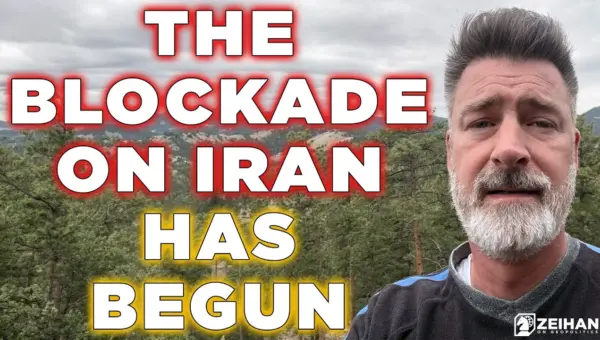
The United States has initiated a naval blockade of Iran, targeting the revenue streams of the Islamic Revolutionary Guard Corps (IRGC). This strategy aims to halt Iran's oil exports and smuggling operations, applying direct financial pressure. While the blockade presents challenges, including potential Iranian retaliation and land-based supply routes, it marks a significant escalation in U.S. policy.

Kushner, Witkoff Conflicts Cast Shadow on US-Iran Talks
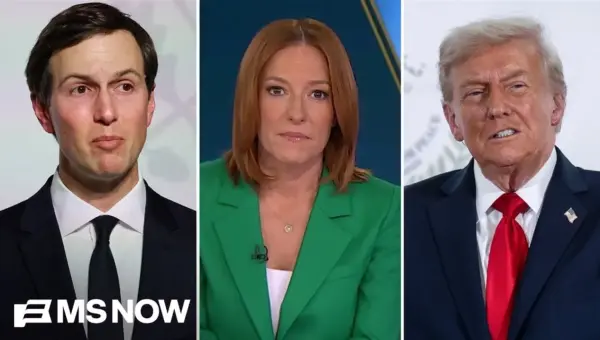
President Trump's repeated claims that the war with Iran is nearly over are met with skepticism, especially as Iran threatens to block vital shipping lanes. Concerns are mounting over potential conflicts of interest involving key U.S. negotiators like Jared Kushner and Steve Witkoff, whose business dealings have financial ties to nations involved in the talks. The article questions whether past diplomatic opportunities were missed, leaving the fate of U.S. troops in the region uncertain.

Russia Eyes China as Energy Lifeline Amid Global Shifts
Russia is signaling an increase in energy exports to China ahead of President Putin's visit, highlighting deepening ties amidst global market disruptions. This strategic pivot east is a direct response to Western sanctions and Europe's phasing out of Russian imports.