War’s Grim Echoes: Unearthing History’s Most Chilling Post-Battle Discoveries
From icy tombs to submerged graveyards, the aftermath of war continues to reveal chilling discoveries that expose the depths of human suffering and the true cost of conflict. These unearthed sites offer a grim testament to history's darkest moments.

War’s Grim Echoes: Unearthing History’s Most Chilling Post-Battle Discoveries
The aftermath of war often reveals more than just the cessation of hostilities. It can unveil the horrifying depths of human suffering, the staggering scale of atrocities, and the true, often unimaginable, cost of conflict. From the claustrophobic depths of Vietnamese tunnel complexes to the icy tombs of the Alps and the submerged graveyards of the Pacific, history’s battlefields continue to yield discoveries that shock, disturb, and force us to confront the darkest chapters of human endeavor.
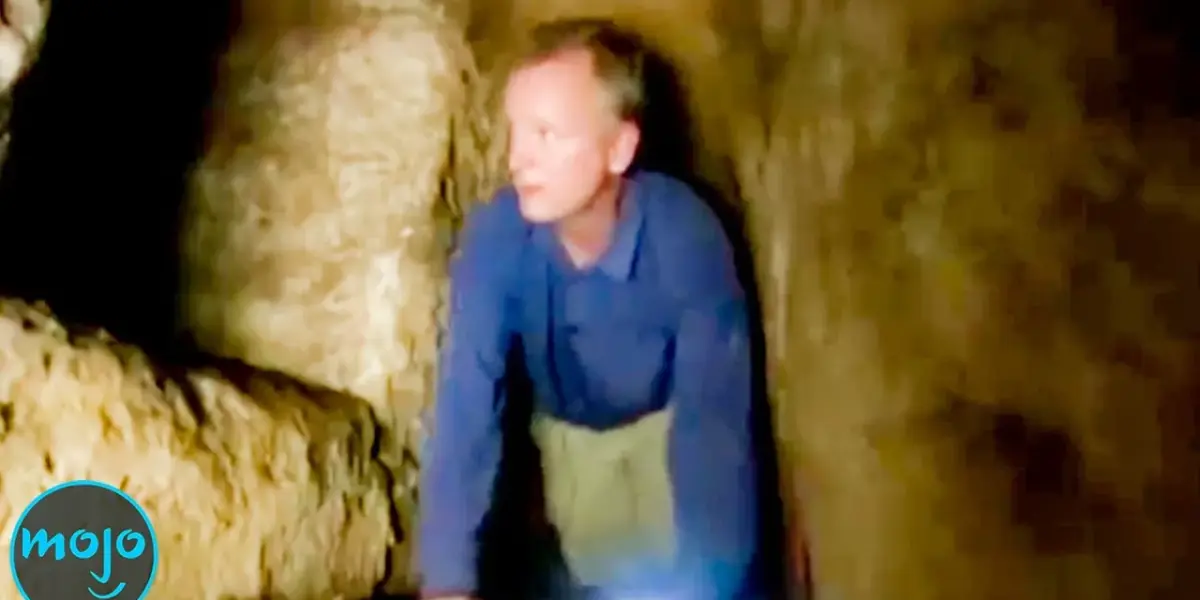
The Ghosts Beneath the Earth: Vietnam’s Tunnel Networks
The Vietnam War presented American and South Vietnamese forces with a unique and terrifying challenge: a guerrilla war fought both above and below ground. The Viet Cong’s extensive tunnel networks, stretching for hundreds of miles, were not merely shelters but self-contained underground cities. These labyrinthine systems housed living quarters, hospitals, weapons factories, and command centers.
The true horror, however, lay in the booby traps – sharpened bamboo stakes, concealed pits, and tripwire grenades – designed to maim and terrorize. Soldiers entering these dark, confined spaces faced constant psychological strain, a chilling reminder of an enemy that could strike from anywhere.
Verdun’s Scarred Landscape: A Battlefield Preserved
The Battle of Verdun, one of World War I’s bloodiest confrontations, left a legacy etched into the very earth. Over a century later, vast sections of land surrounding Verdun remain contaminated by unexploded ordnance, arsenic, and the lingering presence of decomposing human remains. Forests conceal skeletal soldiers in the tattered remnants of their uniforms, forever frozen in their final moments.
Entire villages were rendered permanently uninhabitable due to toxic soil, proof of the sheer destructive power unleashed. Verdun stands as a chillingly preserved battlefield, where nature has struggled to erase the scars, and the dead were never truly buried.
Frozen in Time: The Alpine Front’s Icy Relics
Climate change has brought a chilling new perspective to the glaciers of the Italian Alps. As these massive ice formations melt, they are revealing haunting remnants of World War I. Perfectly preserved soldiers, still clad in their uniforms and boots, are emerging from their icy tombs.
Some clutch personal items like letters from loved ones, photographs, and weapons, offering an intimate glimpse into their final moments. These soldiers perished in brutal mountain warfare, victims of avalanches, exposure, and artillery. The ice acted as a natural tomb, suspending them in time and transforming distant history into a painfully immediate confrontation with lost lives.
The Ghost Fleet of Truk Lagoon: An Underwater Graveyard
Truk Lagoon in Micronesia is home to the world’s greatest concentration of World War II shipwrecks. Following the Pacific War, divers discovered an underwater graveyard containing over 60 Japanese warships and 250 aircraft scattered across the ocean floor. Many of these vessels still hold their deadly cargo: aircraft, tanks, weapons, and munitions.
The wrecks, eerily preserved by the cold, oxygen-poor water, often still contain the remains of sailors. Gas masks, boots, and weapons lie exactly where they were last used. Now a historical site and a submerged cemetery, the ghost fleet is a silent, haunting reminder of the swiftness with which lives and machines were consumed by war.
The Surgeon’s Pit: A Civil War Legacy of Pain
Decades after the American Civil War, archaeologists at Manassas National Battlefield Park unearthed a grim discovery: a “surgeon’s pit” containing amputated limbs, bone fragments, and the skeletons of two Union soldiers. These men, wounded during the Second Battle of Manassas in 1862, faced the harsh reality of field medicine where amputation was often the only life-saving option. Lacking anesthesia, antiseptics, and time, surgeons worked under immense pressure.
The pit offers a visceral look at wartime medicine, preserving the suffering of individuals rather than abstract casualty figures. The discovery led to the reburial of these soldiers alongside the nearly 2,100 other Union soldiers recovered from the battlefield.
Stalingrad’s Abandoned Hospitals: Houses of Horror
Following the Battle of Stalingrad, Soviet forces entering abandoned German field hospitals discovered scenes that mirrored the nightmares of industrial warfare. Blood-soaked tables, rampant disease, and wounded soldiers left to die without care painted a grim picture of a medical system overwhelmed by siege conditions.
Supplies were exhausted, and evacuation impossible. These hospitals, designed for healing, had transformed into silent monuments of desperation, where survival depended on speed and mass procedures under extreme pressure, revealing the brutal reality of total war.
Unit 731: Japan’s Horrific Biological Warfare Facility
In the final days of World War II, as Japan surrendered in 1945, Japanese Army Unit 731 was busy destroying evidence of its horrific work. Soviet forces later uncovered the remains of this massive biological warfare research facility near Harbin, China. Inside were preserved human remains, experimental equipment, and detailed records documenting inhumane medical testing on prisoners.
Victims endured freezing, infection, and surgical procedures without anesthesia, all meticulously recorded. Unit 731 stands as a disturbing example of how war can strip humanity from both perpetrators and victims, with the Japanese government to this day not officially acknowledging the unit’s atrocities.
The Katyn Forest Massacre: A Dark Secret Unearthed
In 1943, German forces discovered mass graves in the Katyn Forest, within the Soviet Union, containing the remains of over 22,000 Polish officers, intellectuals, and professionals. The victims’ hands were bound, and execution wounds to the back of their heads indicated systematic killing. This discovery, announced two months later, sent shockwaves across the world.
Personal items found with the bodies offered poignant glimpses into their final moments. For decades, responsibility was denied, adding political cruelty to physical horror. It wasn’t until 1990 that Soviet leader Mikhail Gorbachev officially admitted the NKVD carried out the executions on Stalin’s orders, revealing truth as another casualty of war.
Dachau’s Human Experiments: Science Turned Cruel
The liberation of Dachau concentration camp by Allied forces in World War II brought the horrific reality of Nazi medical experiments into stark focus. Prisoners were subjected to freezing tests, low-pressure simulations, and invasive surgeries without consent. Detailed notes, equipment, and preserved specimens revealed the systematic abuse, with researchers meticulously recording how long subjects endured pain and how their bodies failed.
Humans were reduced to data points, their suffering meticulously documented under the guise of science. The findings from Dachau and similar camps played a key role in shaping modern medical ethics, born directly from confronting these atrocities.
Cambodia’s Killing Fields: The Devastating Aftermath of Ideology
The conclusion of the war between Vietnamese forces and the Khmer Rouge in Cambodia in 1979 revealed the true scale of lives lost. Investigators discovered Cambodia’s Killing Fields, vast mass graves containing the remains of nearly 2 million victims. Skulls, bones, and tattered clothing lay scattered across execution sites, many showing signs of torture and restraint.
Entire communities were erased through systematic violence. The sheer number of victims defied comprehension, turning ordinary landscapes into monuments of loss. The Killing Fields remain one of history’s most chilling post-war discoveries, confronting humanity with the devastating consequences of ideology taken to its most extreme.
Source: 10 Creepiest Discoveries Found After Wars and Battles (YouTube)

Related Articles
Veteran Fought Communism Abroad, Warns of Its Return
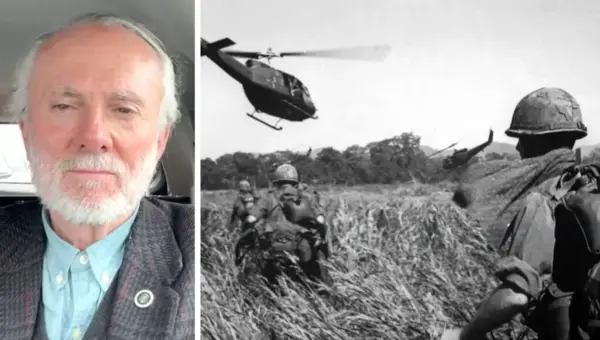
Vietnam veteran Reverend Dr. William Develin, a Purple Heart recipient, warns that communism, a "global cancer," is making a comeback disguised as democratic socialism. He shares his combat experiences and highlights the ongoing fight for freedom.
Nation Honors Vietnam Vets After Decades of Silence
Americans finally honored Vietnam War veterans on their special day, offering recognition long overdue after a divisive conflict. Many veterans faced harsh criticism upon returning home decades ago. This national observance aims to correct that historical oversight and show deep gratitude for their service and sacrifice.


Journalist Urges FCC Chair to “Do Your Job,” Cites Vietnam War Lies
A journalist has sharply criticized FCC Chair Brendan Carr, urging him to "do your job" and stop acting as a political tool for the president. Drawing parallels to the damaging legacy of Pentagon lies during the Vietnam War, the commentary emphasizes the press's vital role in questioning assumptions and warning of dangers during times of conflict.