China’s Secret Oil Deals Disrupted by US Sanctions Enforcement
China's largest oil companies are selling off crude oil as refinery activity hits a low not seen since 2022. This comes after the US seized a sanctioned Iranian oil tanker heading to China, disrupting long-standing methods of evading US sanctions. The US is now enforcing its rules more strictly, impacting global oil supply and prices.


China’s Secret Oil Deals Disrupted by US Sanctions Enforcement
China’s largest oil companies are now selling off large shipments of foreign crude oil. This comes as their refinery activity has dropped to its lowest point since 2022. Refinery run rates have also fallen below 70% of their full capacity.
This situation points to a weakening demand for oil within China. State-owned refineries are trying to lessen the effects of the conflict in Iran and rising global oil prices.
The move also follows a recent action by the United States. The US seized a sanctioned Iranian oil tanker that was heading towards China earlier this week in the Strait of Hormuz.
For years, Iran, China, and various middlemen have found ways to get around US sanctions. They used older oil tankers with unclear records.
Cargoes were often transferred from one ship to another at sea. These tactics were used to avoid being noticed and facing legal trouble, according to The Wall Street Journal.
US Takes Action on Evasion Tactics
Gordon Chang, a senior fellow at the Gatestone Institute, noted the significance of this development. He stated that the US has known for years how China has been buying sanctioned oil. However, the US had not taken action until recently.
Chang explained that President Trump has now signaled a change in policy, saying, “Look, we know what they’re doing. We’re going to enforce our own rules and this is just elemental.” This suggests a more assertive approach to enforcing existing sanctions.
Market Impact and Investor Considerations
For years, Chinese companies have benefited from buying oil from Iran at prices below market rates. Reports indicate that about 90% of Iran’s oil exports were going to China.
This allowed them to lower their operating costs. The US seizure of the tanker and the renewed focus on sanctions enforcement could disrupt these arrangements.
Investors in the energy sector should watch how these developments affect global oil supply and prices. The disruption of these “secret” oil deals could lead to tighter supply for certain crude types.
It might also increase shipping costs as companies seek alternative, more transparent routes. Refineries in China may need to find new sources of crude, potentially impacting their profit margins if they have to pay higher prices.
The US strategy appears to be a direct response to the long-standing methods used to bypass sanctions. By enforcing its rules more strictly, the US aims to cut off revenue streams for sanctioned nations like Iran. This can have ripple effects across the global energy market.
The implications extend beyond just oil prices. This enforcement action signals a tougher stance on international trade violations.
Companies operating in sectors that rely on global shipping and commodities may need to reassess their supply chains and compliance measures. The goal is to ensure that sanctioned entities cannot easily profit from illicit trade, especially when it involves critical resources like oil.
The US action highlights the complexities of global energy markets and international relations. The ability of nations and companies to evade sanctions has been a persistent challenge.
This latest move indicates a renewed commitment by the US to counter such activities. The effectiveness and long-term impact of these enforcement actions will be closely monitored by market participants worldwide.
Going forward, the focus will be on how China and other nations respond to this increased scrutiny. Further actions by the US could lead to more volatility in oil markets.
Companies involved in shipping and trading oil will need to be particularly vigilant about compliance with international sanctions. The Strait of Hormuz remains a critical chokepoint for global oil transport, making any disruption there highly significant.
The US Treasury Department and other agencies are likely to continue monitoring these activities closely. Investors should pay attention to official statements and any new measures introduced to enforce sanctions. Understanding these dynamics is key to navigating the evolving global energy landscape.
The next few weeks will be crucial in determining the sustained impact of this policy shift on China’s oil imports and the broader international oil trade.
Source: Trump ends China’s SECRET oil deals, EVASION of sanctions #shorts (YouTube)

Related Articles
China’s Oil Sales Signal Weak Demand Amid Global Tensions
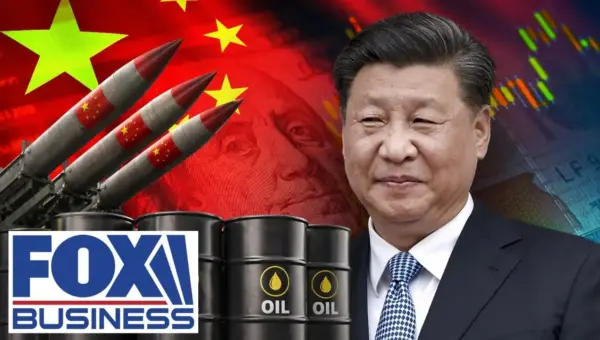
China's largest oil companies are selling off foreign crude as refinery activity hits a multi-year low, indicating weak demand. This coincides with China's assertive actions, including threats of a Taiwan blockade and pressure on Panama Canal operations. The moves suggest economic struggles may be driving Beijing's aggressive stance.


Europe’s U-Turn: Leaders Ditch Trump, Signaling US Isolation
European leaders, including Italy's Prime Minister Giorgia Meloni, are increasingly distancing themselves from Donald Trump. This shift, fueled by Trump's controversial remarks and geopolitical disagreements, signals growing isolation for the United States on the global stage.
Iran Oil Blockade: Senator Urges ‘Starve’ Strategy
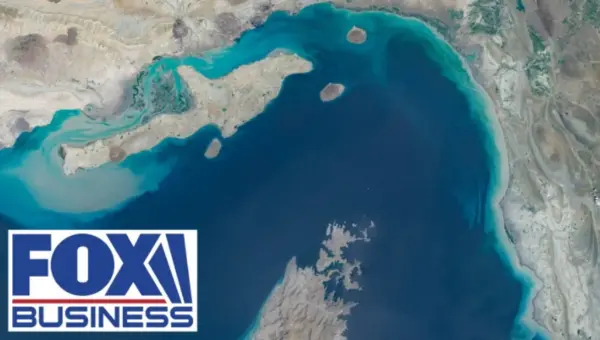
Senator Tommy Tuberville has proposed a stringent strategy against Iran, advocating for a full blockade of its oil exports, which currently generate about $175 million daily. This approach aims to cripple Iran's finances by forcing it to shut down oil wells due to storage limitations.