Trump’s Chaotic Exit: Firings, Fury, and National Security Fears
President Trump's final months are marked by rapid firings and aggressive foreign policy, including an order to shoot Iranian boats. Reports reveal chaotic dismissal processes and raise concerns about national security due to alleged personal misconduct and divisive rhetoric. The administration's term appears to be imploding under intense pressure.

Trump’s Chaotic Exit: Firings, Fury, and National Security Fears
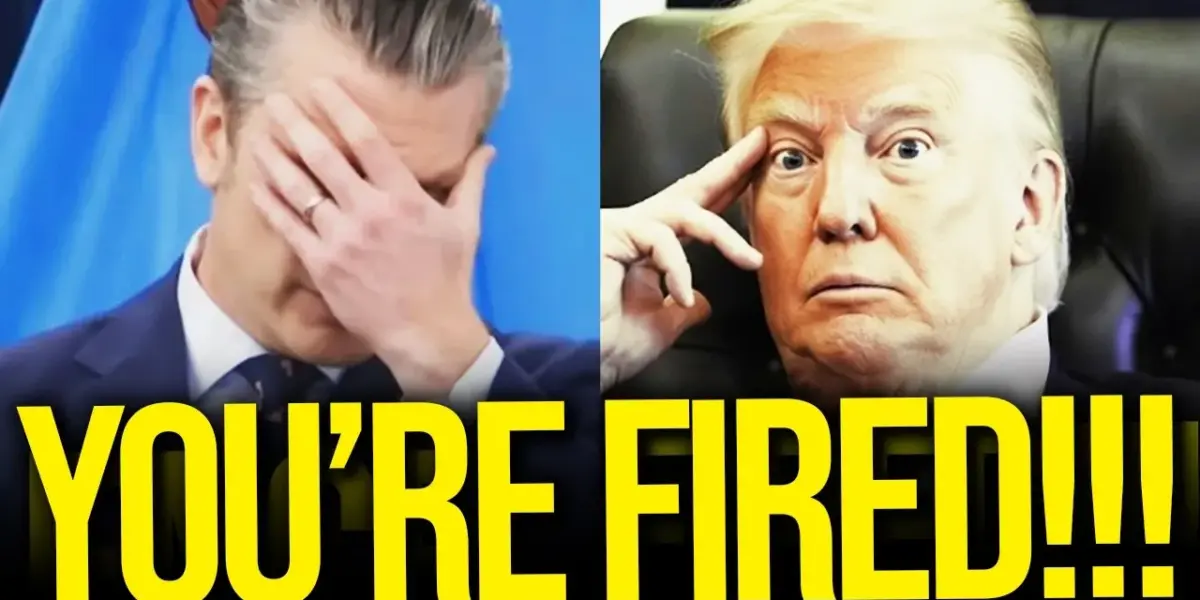
President Donald Trump’s final months in office are marked by a whirlwind of dismissals and controversial actions, creating an atmosphere of instability and raising serious questions about national security. The president has been actively “clearing house,” firing numerous individuals around him as his term appears to be rapidly imploding. However, concerns are growing that the wrong people are being let go, or that critical decisions are being made in haste.
Escalation in the Strait of Hormuz
One striking example of this instability is the order given to the U.S. Navy to “shoot and kill” any Iranian boats in the Strait of Hormuz. This aggressive command came just 12 hours after the Secretary of Defense, Pete Hegseth, fired the Secretary of the Navy.
The timing is particularly alarming: the person in charge of the Navy was removed just as tensions in the Middle East were being significantly heightened. Critics suggest that a more measured approach, or even avoiding escalation altogether, might have been wiser.
Questions Around Dismissals
The pattern of dismissals has also drawn scrutiny. In recent months, several women in high-ranking positions have been fired, including former DHS Secretary Kirstjen Nielsen, former Attorney General Pam Bondi, and Labor Secretary Alex Acosta.
While some of these departures might have been warranted due to performance or misconduct, the speaker questions whether men in the administration are facing the same level of accountability. Figures like Cash Patel and Steven Miller are mentioned as individuals who also warrant closer examination and accountability.
The recent firing of the Secretary of the Navy, who is a man, adds another layer to this. He was reportedly dismissed because he refused to pursue a legal case against Mark Kelly, expressing doubts about its validity. This incident highlights a pattern where Trump appears to be prioritizing speed and personal loyalty over careful consideration and due process.
A Frantic Firing Process
Behind-the-scenes reporting reveals a chaotic process leading to the Navy Secretary’s dismissal. According to sources, Pete Hegseth gave the Navy Secretary an ultimatum: resign or be fired. Unsure if the order truly came from Trump, the Navy Secretary reportedly spent hours calling White House officials and even went to the White House to confirm his fate.
He eventually met briefly with President Trump, who confirmed his termination. This sequence of events paints a picture of desperation and disarray within the administration.
National Security Risks and Personal Conduct
Beyond the firings, other incidents raise significant concerns about national security. A deputy assistant secretary for counterterrorism at DHS, Julia Vavaro, is reportedly under investigation following claims that a man spent $40,000 on her for luxury trips. She allegedly bragged about being above Secret Service testing and referred to herself as a “boss princess.” Such behavior, if true, could make individuals vulnerable to blackmail, posing a serious risk to sensitive information.
Further fueling these concerns is a deeply troubling social media post by Trump. In it, he makes racist remarks about a Chinese American lawyer arguing before the Supreme Court, questioning her loyalty and calling her “evil” and “devious.” This rhetoric, coupled with his attacks on the ACLU, suggests a pattern of xenophobia and an unwillingness to engage with legal arguments on their merits. This kind of language from the president can have a corrosive effect on public trust and international relations.
Historical Context of Epstein Files
The handling of the Jeffrey Epstein case also provides context for the administration’s actions. Reports suggest that Trump actively worked to suppress the release of the Epstein files.
He reportedly instructed Pam Bondi at the DOJ not to release them, despite public interest. While Bondi is also criticized for her role in this suppression, the speaker asserts that Trump was the ultimate decision-maker, “driving the bus” to keep the files from becoming public.
A Term Imploding
The cumulative effect of these events is an administration in apparent freefall. The acting head of ICE recently resigned due to extreme stress, reportedly exacerbated by a record-breaking DHS shutdown.
This resignation, following a string of firings and the chaotic exit of the Navy Secretary, highlights the speaker’s initial assertion: the Trump administration is imploding. People are resigning due to stress and corruption, and others are being fired, creating an environment of constant turmoil.
The speaker also mentions that former Congresswoman Tulsi Gabbard was reportedly told she must resign before the midterm elections, though details are scarce. This adds another name to a list of individuals whose tenure seems to be ending under a cloud of pressure or dismissal.
Why This Matters
The events described are not mere political theater; they have tangible consequences. The aggressive military posture in the Strait of Hormuz could lead to conflict. The alleged vulnerabilities of officials to blackmail pose a direct threat to national security.
The divisive and often racist rhetoric used by the president erodes public trust and can incite harmful actions. The rapid turnover and apparent chaos within government agencies can also lead to a loss of institutional knowledge and a decline in effective governance.
Implications and Future Outlook
This period of intense activity and dismissals suggests a White House operating under immense pressure, possibly driven by a desire to consolidate power or settle scores before the end of the term. The future outlook for the Trump administration is one of continued uncertainty and potential further disruption. The focus remains on how these final weeks will unfold and what lasting impact they will have on government operations and public perception.
The pattern of dismissals, aggressive foreign policy actions, and controversial public statements points to a presidency struggling to maintain control and coherence in its final days. The implications extend beyond the current administration, potentially shaping how future leaders approach national security and public discourse.
The situation at the border, the aggressive stance towards Iran, and the internal turmoil within agencies like DHS all point to a critical juncture. The administration’s final actions will be closely watched, with many hoping for a return to stability and a focus on responsible governance.
The events leading up to the end of the Trump presidency are a clear reminder of the importance of steady leadership and adherence to established norms, especially in matters of national security and foreign policy. The coming days will reveal whether this period of chaos leads to lasting damage or simply a turbulent, but ultimately contained, conclusion to an unprecedented term.
The final weeks of this administration are characterized by a dramatic increase in firings and a highly aggressive stance on foreign policy, particularly concerning Iran. This period highlights the President’s impulse to exert control through decisive, often confrontational, actions, even as his term nears its close.
Source: Trump FIRES EVERYONE as Term IMPLODES! (YouTube)

Related Articles

Trump Orders Navy to ‘Shoot and Kill’ Boats Laying Mines
President Trump has ordered the U.S. Navy to use lethal force against any boats laying mines, emphasizing "shoot and kill" with no hesitation. Diplomatic talks with Iran are stalled as the U.S. waits for Iran to clarify its negotiating authority amid internal leadership struggles. The directive comes as a naval blockade continues and concerns over global energy prices remain high.

MAGA’s Slow Burn: Trump’s Movement Faces Its Own Demise
The MAGA movement, once a powerful force, is showing signs of a slow and painful decline. Internal conflicts, disillusionment among supporters, and financial troubles within associated companies point to a weakening foundation. This analysis explores the factors contributing to MAGA's struggles and its potential future.

White House In Chaos: Trump’s Team Loses Grip
Recent events reveal significant disarray within the White House, marked by conflicting statements and a perceived loss of control. Simultaneously, concerns mount over immigration policy, the influence of billionaires on media, and the rising costs of war, all while proposed budgets heavily favor military spending over domestic programs.