Iran’s Aggression Escalates: Strait of Hormuz Under Siege
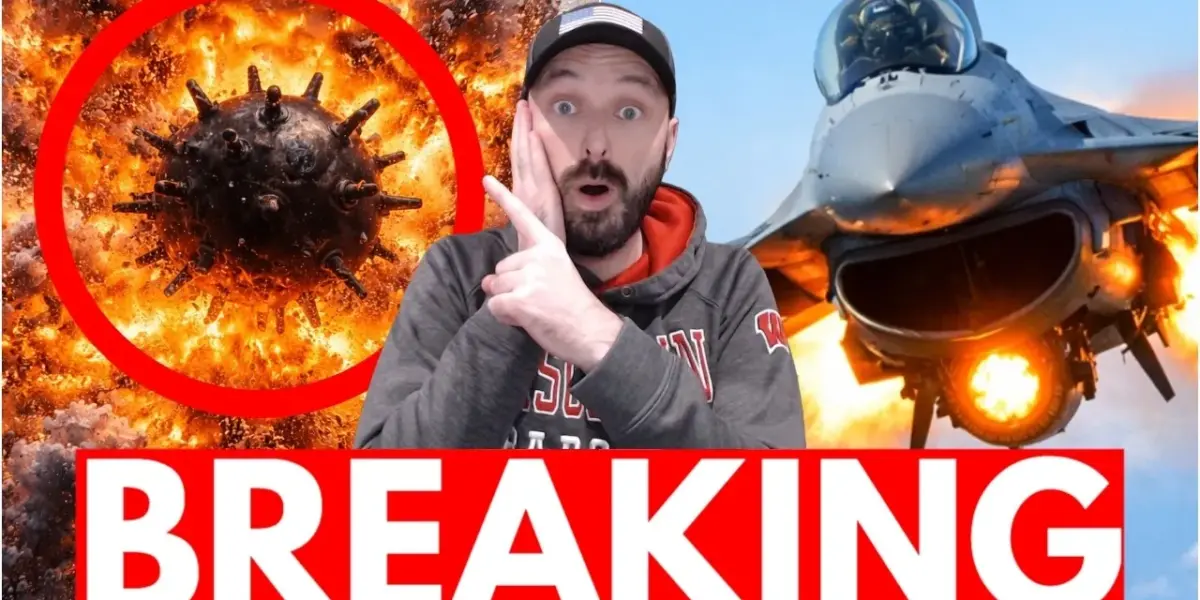
Iranian forces have seized commercial ships in the Strait of Hormuz, escalating regional tensions. U.S. fighter jets have intercepted Iranian drones over Iraq, while reports indicate Iran is mining the vital waterway. The situation remains volatile with no clear path to de-escalation.

Iran’s Aggression Escalates: Strait of Hormuz Under Siege
New footage shows Iranian commandos, armed with assault rifles and ski masks, boarding and seizing commercial ships in the vital Strait of Hormuz. This aggressive move follows earlier actions where the United States reportedly seized a Chinese cargo ship. The Iranian government released videos of their forces, identified as IRGC commandos, swarming vessels and taking them hostage, moving them back towards Iran.
The situation in the Strait of Hormuz has become increasingly tense. The Iranian government claims these actions are a response to U.S. actions.
However, the footage clearly depicts heavily armed individuals taking control of international shipping. This raises serious questions about freedom of navigation in one of the world’s most critical waterways.
A Contested Waterway
The Strait of Hormuz is a narrow passage between the Persian Gulf and the Gulf of Oman. It is a crucial chokepoint for global oil supplies. Control or disruption of this strait can have significant economic and geopolitical consequences worldwide.
Historically, Iran has used its naval power, particularly its fleet of fast attack craft, to project influence in the region. These small, agile boats are often armed with machine guns and anti-ship missiles. They pose a significant threat to larger naval vessels and commercial shipping.
Debates Over Control and Tactics
Some analysts, like Caroline Leavitt, have downplayed the severity of the situation, suggesting the attacks are akin to piracy and do not represent Iranian control over the strait. Leavitt argued that the vessels were not American or Israeli and that media reports were exaggerating the events. She also pointed out that Iran’s conventional navy has been significantly degraded.
However, others strongly disagree with this assessment. They argue that the continued use of speedboats armed with missiles and the mining of the strait demonstrate a clear intent to disrupt shipping.
The presence of 33 Iranian speedboats reported racing through the strait, armed and ready, highlights the persistent threat. These boats can effectively control the passage, especially for ships not paying a perceived toll.
Mining the Strait: A Grave Threat
Adding to the danger, reports indicate that Iran has been laying naval mines in and around the Strait of Hormuz. Intelligence suggests up to 20 mines may have been placed. Clearance operations for these mines could take as long as six months and may not even begin until a conflict ends and a ceasefire is in place.
This mining activity is particularly concerning. It indicates a willingness to engage in tactics that endanger all shipping, regardless of nationality. The claim that Iran would remove mines appears to be untrue, with the IRGC allegedly in control and pushing for escalation.
U.S. Response and Escalation Concerns
In response to Iranian drone activity over Erbil, Iraq, U.S. fighter jets have reportedly engaged and shot down these drones. This direct military engagement signifies a further escalation of tensions. The U.S. has also been observed moving significant military resources into the region, including refueling aircraft and fighter jets to Israel.
The U.S. military has also directed 31 vessels to turn around or return to port as part of a blockade of the Strait of Hormuz. This action highlights the U.S. commitment to maintaining freedom of navigation, even as tensions rise.
Internal Instability and Intelligence Assessments
Beyond the maritime actions, internal reports suggest unrest within Iran. There are unconfirmed reports of over 100 Basij members being hospitalized after their food was poisoned, with at least one fatality. This points to potential internal resistance or sabotage, adding another layer of complexity to the situation.
U.S. intelligence assessments indicate that Iran retains more military capabilities than publicly acknowledged. Around half of its ballistic missiles and launchers are believed to be intact, with roughly 60% of IRGC naval forces still operational. This contradicts claims that Iran’s navy has been completely neutralized, highlighting the continued threat posed by its fast attack craft.
Negotiations Stall
Further complicating matters, senior IRGC officials reportedly blocked an Iranian negotiating team from meeting with U.S. negotiators in Islamabad. They also rejected terms discussed in earlier talks. This signals a potential unwillingness from hardliners within Iran to engage in de-escalation or negotiation.
Some view the decision to give Iran more time for negotiations as a strategic error. The IRGC is seen by some as being in total control and having no interest in genuine negotiation. This perspective suggests that a more forceful response might have been warranted.
Why This Matters
The events in the Strait of Hormuz and the surrounding region are critically important for several reasons. Firstly, any disruption to shipping in this vital waterway can lead to significant increases in global energy prices, impacting economies worldwide. Secondly, the direct military engagements between U.S. and Iranian forces raise the specter of a wider conflict, which could have devastating consequences.
The actions also highlight the complex geopolitical dynamics at play. Iran’s use of asymmetric tactics, like fast attack craft and mining, demonstrates its ability to challenge more powerful adversaries despite a weaker conventional military. The situation demands careful monitoring and a clear-eyed assessment of the risks and potential responses.
Future Outlook
The current situation offers no clear off-ramp for de-escalation. Iran’s aggressive actions, including ship seizures and mining, coupled with U.S. military responses like drone interceptions and naval blockades, suggest a continued period of high tension. The stalled negotiations and internal dynamics within Iran add further uncertainty.
As military resources continue to flow into the region, the potential for miscalculation or accidental escalation remains high. The coming weeks will be crucial in determining whether tensions can be managed or if the situation will spiral further out of control.
The next significant development to watch will be any official statements or actions from the U.S. CENTCOM regarding the ongoing blockade and the broader response to Iran’s maritime aggression.
Source: Iran Deploys TERRIFYING Weapon – U.S. Fighter Jets OPEN FIRE (YouTube)

Related Articles

Trump Orders Navy to ‘Shoot and Kill’ Boats Laying Mines
President Trump has ordered the U.S. Navy to use lethal force against any boats laying mines, emphasizing "shoot and kill" with no hesitation. Diplomatic talks with Iran are stalled as the U.S. waits for Iran to clarify its negotiating authority amid internal leadership struggles. The directive comes as a naval blockade continues and concerns over global energy prices remain high.


China Bets on US-Iran Conflict to Boost Global Power
While the US-Iran conflict has brought losses, China is strategically gaining ground. Beijing is expanding its global reach, gaining military insights, and positioning itself as a mediator. Despite official neutrality, economic ties and technological advancements further bolster China's growing influence on the world stage.

Iran Attacks Ships Amid Tensions; Navy Secretary Ousted
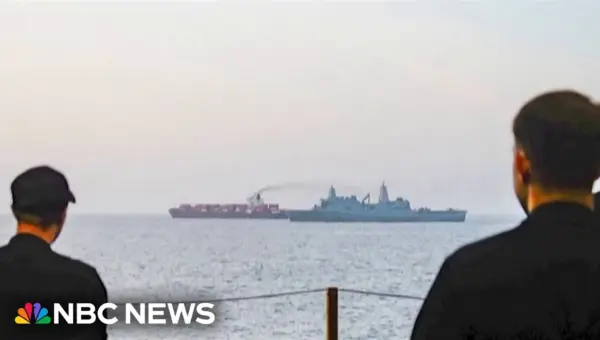
Iran attacked and seized two ships in the Strait of Hormuz, escalating regional tensions despite a U.S. ceasefire extension. The U.S. continues its naval blockade on Iranian ports. Meanwhile, Navy Secretary John Fallon was ousted amid rising tensions, and Capitol Hill debates war powers and funding for Homeland Security.