MAGA’s Slow Burn: Trump’s Movement Faces Its Own Demise
The MAGA movement, once a powerful force, is showing signs of a slow and painful decline. Internal conflicts, disillusionment among supporters, and financial troubles within associated companies point to a weakening foundation. This analysis explores the factors contributing to MAGA's struggles and its potential future.

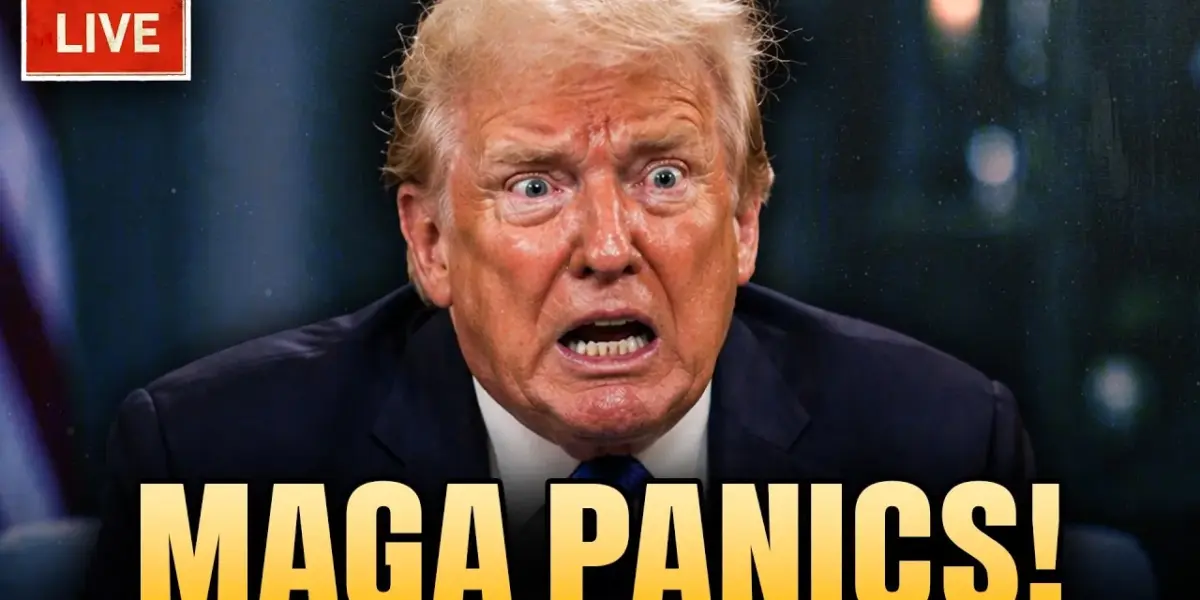
MAGA’s Slow Burn: Trump’s Movement Faces Its Own Demise
The political movement known as MAGA, built around Donald Trump, is showing signs of serious decline. It’s not just the potential end of Trump’s political career, but the movement itself appears to be weakening even before he leaves the public eye. This decline is marked by internal conflicts and a growing sense among some supporters that they have been misled.
Democratic strategist Max Burns noted that MAGA voters often believed in taking Trump seriously, but not literally. This meant they thought he might bend the truth for himself but would never lie to his loyal supporters. However, some of these dedicated followers are now starting to realize they might have been deceived, making it difficult to return to their previous beliefs.
Internal Strife and Shifting Alliances
The cracks within MAGA are becoming more visible. Figures like Tucker Carlson and Marjorie Taylor Greene have publicly expressed doubts or moved away from the movement.
This is happening at a time when Trump himself seems to be attacking people who were once key figures in building his base. This internal conflict weakens the movement’s foundation.
Trump has reportedly gone after individuals like Megyn Kelly and Candace Owens, who were influential voices for his supporters. When the very leader of a movement starts to criticize its prominent voices, it naturally causes those voices and their followers to question their loyalty. This creates a domino effect, pushing people away from the central figure.
The Leaderless Void and Historical Parallels
MAGA was built around Donald Trump as a central figure. Unlike other political movements, its strength came from rallying around one person. When that central figure is no longer the sole focus, or if their influence wanes, the movement can easily fall apart.
This is similar to the Tea Party movement, which gained traction by opposing Barack Obama. Once Obama was no longer president, the Tea Party lost its unifying enemy and gradually faded.
While some of its members moved on to support MAGA, the movement itself didn’t survive in its original form. MAGA could face a similar fate, with its supporters scattering to new, perhaps less powerful, causes.
Supporters’ Disillusionment and Shifting Allegiances
Some former supporters are now expressing regret and a desire to change their political views. One commenter noted, “I’m a Republican for a long time. I’m definitely voting Democrat in 2026 and 2028.” This shift shows a deep level of dissatisfaction with the current political direction.
The willingness to admit past mistakes and change one’s mind is seen as a positive step. While there might not be sympathy for those who continue to make poor choices, acknowledging a change in perspective is commendable. This suggests that some individuals are actively seeking new political homes.
The Case of Devin Nunes and Trump Media Group
Further evidence of financial and managerial issues within Trump-aligned organizations is seen in the case of Devin Nunes and the Trump Media and Technology Group. Nunes was fired as CEO after the company, which owns Truth Social, lost a significant amount of money.
The company reported losing $712 million last year on revenue of only $3.7 million. This staggering loss, especially for a digital media company with relatively low operational costs, has raised questions. The stock price also fell dramatically during his tenure, disappointing investors who had hoped for significant returns.
Concerns Over Government Competence and Ideological Policing
Beyond the MAGA movement, broader concerns about governance and ideology are surfacing. A proposed bill, the Mandani Act, aims to deny entry or deport individuals who express or possess ideologies related to socialism, communism, or Marxism. Critics argue that the proponents of such legislation may not fully understand these complex terms.
The potential for such laws to criminalize certain ideologies is alarming. It could impact free speech and the open discussion of political ideas. The debate highlights a divide between those who fear certain political philosophies and those who believe in protecting freedom of thought and expression.
A Look at the Future
The decline of MAGA as a cohesive political force raises questions about the future of the Republican party and conservative politics. Without a unifying leader or a clear ideology, movements can fragment and lose their influence. The coming years will likely see attempts to rebuild or redefine these political spaces.
The focus on ideological purity and the potential for government overreach in policing thought are significant trends. These issues will continue to shape political discourse and policy debates in the United States. The outcome of these struggles will impact the direction of the nation.
Source: MAGA Is Dying A Slow And Painful Death (YouTube)

Related Articles

White House In Chaos: Trump’s Team Loses Grip
Recent events reveal significant disarray within the White House, marked by conflicting statements and a perceived loss of control. Simultaneously, concerns mount over immigration policy, the influence of billionaires on media, and the rising costs of war, all while proposed budgets heavily favor military spending over domestic programs.

Democrats Lead GOP by 6 Points in Key Districts: Poll
New polling from The Cook Political Report shows Democrats leading Republicans by six points in crucial battleground districts. While Democrats hold an advantage on most issues, concerns over the economy and cost of living are strong, with Donald Trump leading on blame for high prices. Experts suggest voters are fatigued and focused on tangible economic concerns.

Virginia Vote Exposes GOP Hypocrisy on Gerrymandering
Virginia's recent vote to redraw electoral maps has ignited a fierce debate, exposing Republican hypocrisy on gerrymandering. While GOP leaders decry the move as a "power grab," past actions reveal a willingness to use the same tactics when they benefit the party.