China Bets on US-Iran Conflict to Boost Global Power
While the US-Iran conflict has brought losses, China is strategically gaining ground. Beijing is expanding its global reach, gaining military insights, and positioning itself as a mediator. Despite official neutrality, economic ties and technological advancements further bolster China's growing influence on the world stage.

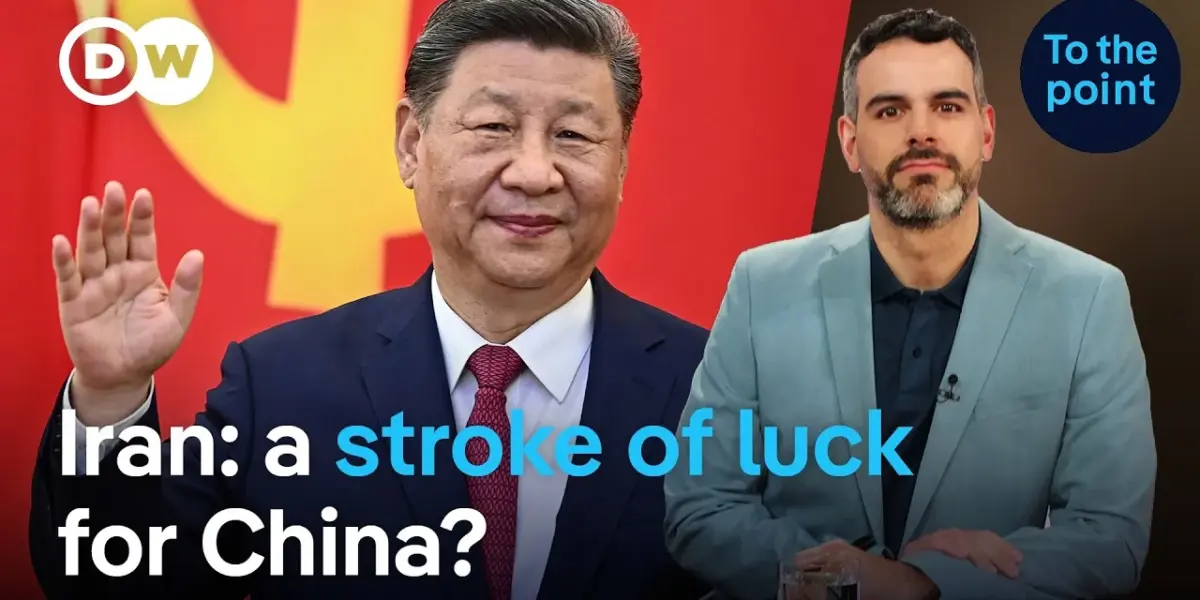
China’s Strategic Gain Amidst US-Iran Tensions
While the conflict between Iran and the United States has brought widespread losses, China has strategically positioned itself to benefit. The disruption to vital shipping lanes, like the Strait of Hormuz, impacts Western economies more severely than China. This allows Beijing to expand its global influence, gain insights into U.S. military strategies, and present itself as a new mediator in regional disputes.
Beijing’s Diplomatic Maneuvers
Chinese President Xi Jinping has publicly stated China’s support for peace and diplomatic solutions to the U.S.-Iran conflict. This stance aims to project an image of China as a responsible global actor, contrasting with perceived U.S. involvement.
Experts suggest China avoids direct military entanglement, learning from past U.S. experiences in the Middle East. Instead, Beijing promotes multilateralism and the rule of law, while selectively adhering to international norms that serve its interests.
“China wants to present itself as a country that stands for the rule of law for multilateralism for UN system but of course only when it serves the purpose.”
Angela Kukritz, Deputy Editorial Director, China Table
Economic Ties and Allegations of Support
Despite its neutral rhetoric, credible reports indicate China has been a significant buyer of Iranian oil, purchasing over 90% of its exports. Private Chinese companies are reportedly using indirect shipping methods to acquire oil, circumventing international sanctions.
China has also been accused of providing crucial technologies and materials to Iran. When U.S. forces intercepted an Iranian tanker reportedly carrying such items, China refused to confirm details, attributing any involvement to private companies rather than state action.
Shifting Global Power Dynamics
The ongoing conflict provides China with valuable intelligence on U.S. warfare tactics, potentially influencing its own military planning, especially concerning Taiwan. The situation also sends a message that the U.S. may not always protect its allies, leading more nations to seek closer ties with China. This shift is particularly evident as China’s renewable energy sector, a major global supplier of solar panels and electric vehicles, benefits from global energy crises.
Technological Advancement and Ambitions
China is rapidly emerging as a technological superpower, leading in numerous critical technology sectors. Its strategic investments, like a $140 billion sovereign wealth fund for the semiconductor industry, are driving innovation.
Chinese companies are developing applications and integrating technologies like AI and robotics into industrial production at an impressive pace. This technological prowess is seen as a significant advantage, potentially influencing future geopolitical strategies, including ambitions related to Taiwan.
Economic Challenges and Future Outlook
While China benefits strategically, its economy faces challenges. Disruptions to global trade routes can impact its export-driven growth. Domestic consumption is hindered by citizens’ tendency to save due to economic uncertainty.
The government’s efforts to stimulate domestic spending through subsidies are ongoing, but fundamental economic policy issues related to state control and limited consumer rights present long-term hurdles. The country’s ability to translate its technological and economic strengths into broad political influence remains a key area to watch.
The U.S.-Iran Conflict’s Impact on China
The U.S.-Iran conflict has presented China with a complex set of opportunities and challenges. Strategically, it allows Beijing to increase its influence and gather intelligence. Economically, it benefits from the demand for its renewable energy technologies.
However, global trade disruptions and domestic economic pressures remain significant concerns. The ongoing evolution of China’s role in global politics and its ability to leverage its growing strengths will be closely monitored.
Source: Hidden power play: How China profits from the US-Iran war | DW News (YouTube)

Related Articles
US Tightens Grip on Iran, China Oil Flow
The U.S. is maintaining pressure on Iran through oil blockades, impacting global energy markets and highlighting China's energy vulnerabilities. Congressman Carlos Gimenez discussed the strategic importance of these actions and the need for increased defense spending to counter China. Domestic debates over border security funding and Cuba policy also continue.


Iran Talks Could Last Years, Echoing Vietnam’s Long Road
Peace talks, like those during the Vietnam War, can take years. Analysts suggest that negotiations with Iran might also become a lengthy process, potentially lasting until the next US midterm elections. The core issue for Iran's security may ultimately lie in its own power, rather than in external agreements.
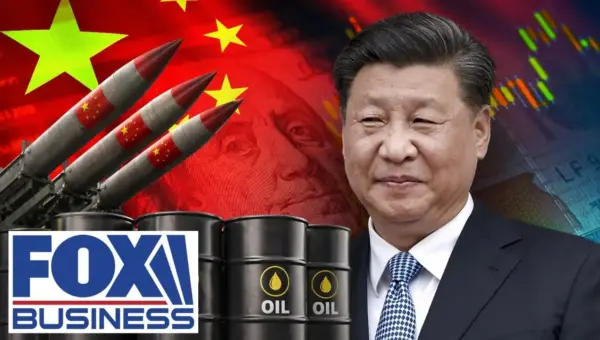
China’s Oil Sales Signal Weak Demand Amid Global Tensions
China's largest oil companies are selling off foreign crude as refinery activity hits a multi-year low, indicating weak demand. This coincides with China's assertive actions, including threats of a Taiwan blockade and pressure on Panama Canal operations. The moves suggest economic struggles may be driving Beijing's aggressive stance.