China Threatens Retaliation Over EU’s Cybersecurity Crackdown
The EU's proposed cybersecurity law aims to remove Chinese tech companies from critical 5G networks, prompting a strong warning from Beijing about potential retaliation. This move highlights growing global tensions over technology and national security.

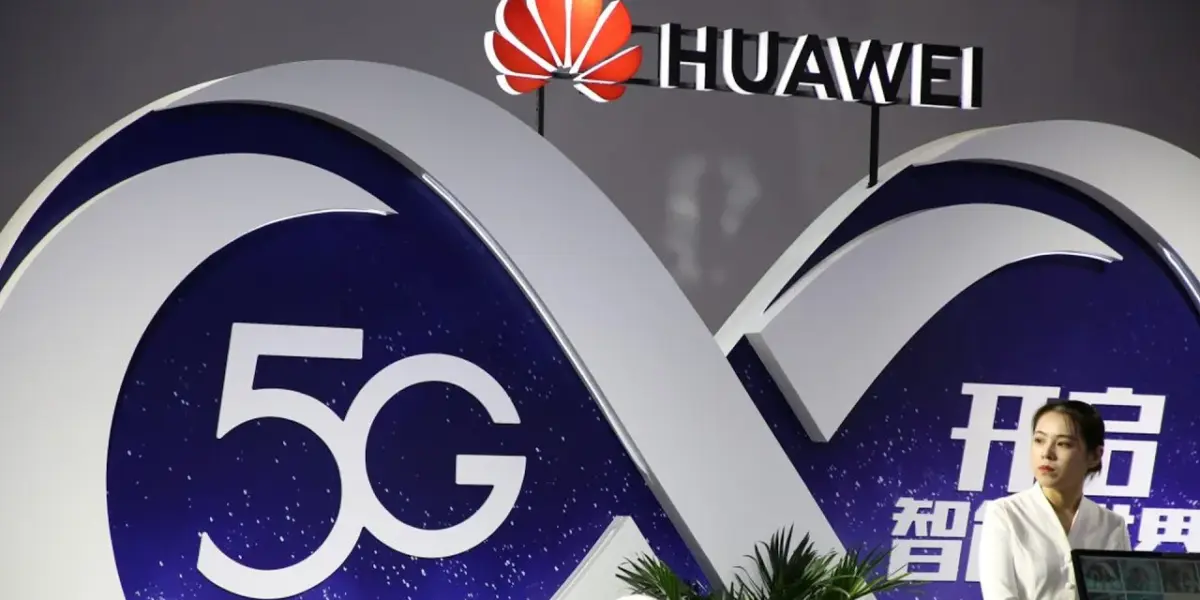
China Threatens Retaliation Over EU’s Cybersecurity Crackdown
Europe and China are facing new friction, this time focused on cybersecurity and technology. The European Union is moving forward with a plan that could push certain Chinese technology companies out of its networks, a move that has drawn a sharp warning from Beijing.
On Friday, China’s government stated it would retaliate if the EU proceeds with its proposed cybersecurity law. This draft law would require all EU member countries to remove companies identified as security risks from their 5G networks within three years. This means countries would need to gradually remove these so-called high-risk telecom suppliers from the essential parts of their communication systems.
This proposal is part of a larger effort by the EU to increase its control over the security of its vital infrastructure. These systems include things like power grids, transportation, and communication networks, which are crucial for the functioning of modern society.
The United States has already taken similar actions. Since 2022, Washington has banned imports of new telecommunications equipment from two Chinese companies, Huawei and ZTE. The US has since encouraged its allies in Europe to follow suit, citing concerns about national security risks associated with these companies’ technology.
Beijing has strongly opposed the EU’s plan, describing it as politically motivated. Chinese officials have warned that the EU’s actions could damage economic ties between the two regions. They suggest that potential countermeasures could include investigations into European companies operating in China or even legal challenges, arguing that the EU’s plan breaks World Trade Organization trade rules.
China is also pushing for changes to the EU proposal. They are particularly concerned about a section that labels certain countries as cybersecurity risks, suggesting it unfairly targets specific nations. This warning from China highlights growing tensions between the EU and Beijing, with businesses often finding themselves caught between these international disputes.
Why This Matters
This standoff is significant because it shows how cybersecurity concerns are becoming a major point of conflict in global politics. As countries rely more on digital technology, especially for critical services, the security of that technology becomes a national priority.
The EU’s move reflects a broader trend of Western nations scrutinizing technology from countries like China, driven by fears of espionage and data security breaches. The US has been leading this charge, and the EU’s similar actions suggest a growing alignment in security policy among major Western powers.
For businesses, particularly those in the tech sector, this means navigating an increasingly complex and potentially fragmented global market. Companies might face pressure to choose sides or adapt to different regulations in various regions, impacting their supply chains and market access.
Historical Context and Trends
Concerns about Chinese telecommunications equipment, especially from companies like Huawei, have been building for years. Many Western governments have worried that this equipment could be used for surveillance by the Chinese state, a concern amplified by China’s national security laws that can compel companies to cooperate with intelligence agencies.
The US ban on Huawei and ZTE equipment was a major step, and its impact has rippled across the globe. The EU’s proposed law can be seen as a more formalized and coordinated approach by a large economic bloc to address these same security worries. It moves beyond individual company bans to a broader policy framework for managing perceived risks.
This situation is part of a larger geopolitical trend where economic competition and national security are increasingly intertwined. Technology, once seen as a tool for global connection, is now a key battleground in international relations.
Implications and Future Outlook
If the EU law is enacted as proposed, it could lead to significant disruptions for Chinese tech companies and their European partners. It might also push other countries to adopt similar measures, further isolating Chinese technology from key global markets.
China’s threat of retaliation suggests a potential for escalating trade disputes. European companies operating in China could face increased scrutiny or new barriers, impacting their ability to do business.
The future outlook depends on how these negotiations unfold. The EU might modify its proposal based on China’s feedback and international trade rules. However, the underlying security concerns are unlikely to disappear, suggesting that technology and national security will remain a central issue in EU-China relations for the foreseeable future.
The EU’s final decision on the cybersecurity law is expected in the coming months, shaping the future of global tech trade and security.
Source: EU's Proposed Cybersecurity Law Triggers Warning From China (YouTube)

Related Articles


Volvo’s China Deal Sparks Global Identity Crisis
Volvo's partnership with Chinese nationalist Hu Xijin has sparked debate about global brands adapting to China's market. While some see it as a smart move to appeal to elites, others worry it damages the brand's premium image. This raises questions about how far companies will go to tailor their identity for different regions.
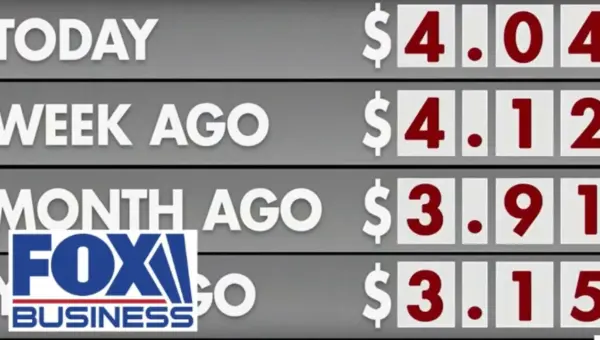
Military Certainty Needed for Gas Prices to Fall
Experts state that military certainty in key regions is essential for gas prices to fall consistently. Recent price swings highlight market volatility, driven by concerns over the Strait of Hormuz. High diesel and fertilizer costs also pose a risk of future food price inflation.
Trump Faces Iran Crisis: Trapped with No Easy Answers
Former President Trump faces a complex crisis with Iran, appearing trapped with limited options. Public opinion and Iran's strategic maneuvering suggest a need for a deal, but leverage is scarce. The situation echoes historical tensions and raises questions about future diplomatic outcomes.