Volvo’s China Deal Sparks Global Identity Crisis
Volvo's partnership with Chinese nationalist Hu Xijin has sparked debate about global brands adapting to China's market. While some see it as a smart move to appeal to elites, others worry it damages the brand's premium image. This raises questions about how far companies will go to tailor their identity for different regions.

Volvo’s China Deal Sparks Global Identity Crisis
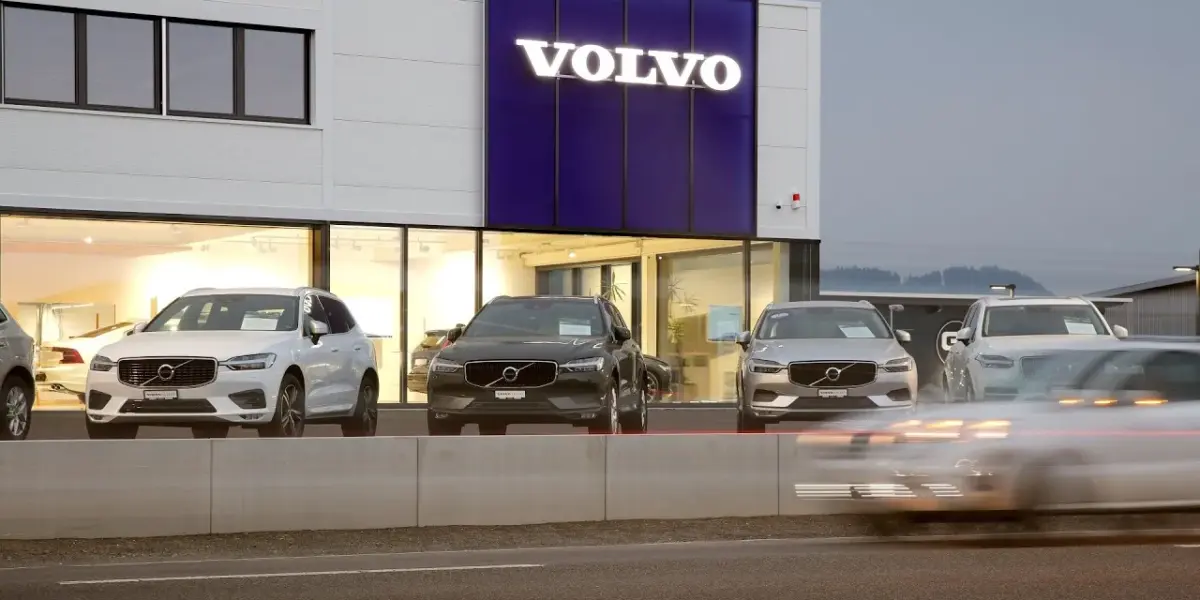
Swedish carmaker Volvo is facing criticism for a recent marketing partnership in China. The company teamed up with Hu Xijin, a well-known figure for his strong nationalist views and vocal support of the Chinese government. This move is sparking a bigger conversation about whether global brands are changing who they are to please the Chinese market.
Volvo has a long history, known for safety and Swedish values. However, its ownership changed in 2010 when Chinese automaker Geely bought it from Ford for about $1.8 billion. Since then, Volvo has become more focused on China, with experts calling it a brand now led by China.
A Nationalist Partnership
Volvo recently announced Hu Xijin as a “brand friend” for its 95th anniversary campaign in China. Hu previously led the Global Times, a newspaper that often reflects the government’s views. He is famous for his “wolf warrior” style, strongly defending Beijing’s policies.
Hu has made controversial statements in the past. He suggested China’s military could shoot down U.S. planes flying near Taiwan.
He also repeatedly stated that using force against Taiwan is still an option for China. Hu called for China to respond strongly to U.S. actions.
Questioning Swedish Roots
The partnership has led Swedish journalist Jo Jo Olson to question if Volvo can still be considered a Swedish company. After Geely’s purchase, Volvo worked hard to fit into the Chinese market. China is now one of Volvo’s biggest and most important markets.
Volvo also depends heavily on China for its factories, parts, and electric vehicle technology. This deep connection means the company must consider China’s unique market demands and political climate.
Arguments for the Strategy
Supporters of Volvo’s choice believe the company understands that in China, being politically in tune can be as important as making safe cars. They suggest these marketing choices are meant to appeal to influential people who are aligned with the government.
This approach aims to secure the brand’s position by showing respect for local values and political sensitivities. It’s a strategy to build trust and goodwill within a crucial consumer base.
Concerns About Brand Image
However, not everyone agrees with this strategy. Some employees working directly with customers report that the campaign has generated interest and online activity. But they worry it might be hurting the brand’s image as a premium product.
There are reports of potential customers choosing other car brands because of political worries. This suggests that while the partnership might attract some attention, it could also alienate other potential buyers.
Why This Matters
Volvo’s situation highlights a growing challenge for international companies operating in China. The country’s market is huge, but it also has specific political and social expectations. Companies must decide how much they are willing to adapt their brand identity to fit these expectations.
This isn’t just about marketing; it’s about a company’s core identity and values. Balancing global brand recognition with local market demands is a difficult act.
Implications and Future Outlook
As global companies continue to work within China’s large and complex market, Volvo’s case asks important questions. How far will brands go to change their image for different regions? And how much difference in branding are consumers willing to accept across different markets?
The trend suggests that companies will likely continue to walk this fine line. They will try to appeal to diverse markets while maintaining some level of brand consistency. The success of this approach will depend on careful management and understanding of consumer reactions.
Volvo’s next steps will be closely watched. The company must find a way to navigate these complex issues without alienating key customer groups or compromising its brand values.
Source: Volvo Criticised for Partnership with Chinese Nationalist (YouTube)

Related Articles

Military Certainty Needed for Gas Prices to Fall
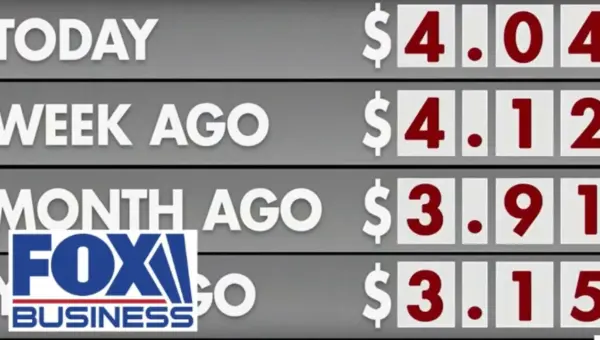
Experts state that military certainty in key regions is essential for gas prices to fall consistently. Recent price swings highlight market volatility, driven by concerns over the Strait of Hormuz. High diesel and fertilizer costs also pose a risk of future food price inflation.
Trump Faces Iran Crisis: Trapped with No Easy Answers
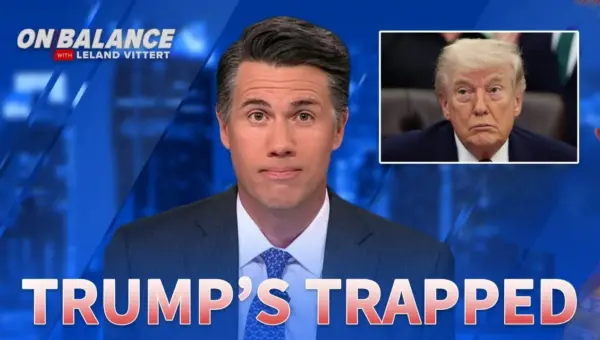
Former President Trump faces a complex crisis with Iran, appearing trapped with limited options. Public opinion and Iran's strategic maneuvering suggest a need for a deal, but leverage is scarce. The situation echoes historical tensions and raises questions about future diplomatic outcomes.


Pakistan Steps Up as Global Peacemaker Amidst Rising Domestic Anger
Pakistan is balancing its role as a key mediator in the U.S.-Iran conflict with rising domestic anger over American actions against Iran. While hosting crucial peace talks in Islamabad, the nation faces internal pressure and concerns about sectarian violence. This dual role highlights Pakistan's strategic importance and its complex relationship with regional and global powers.