Media War: Trump Ally Defends Iran Strategy
Commentator Karoline Levit defended Donald Trump's Iran policy on Fox News, clashing with critics who accused her of spreading propaganda and ignoring facts. The debate centers on media bias, the effectiveness of Trump's foreign policy, and the true cost of U.S. military involvement in the region.

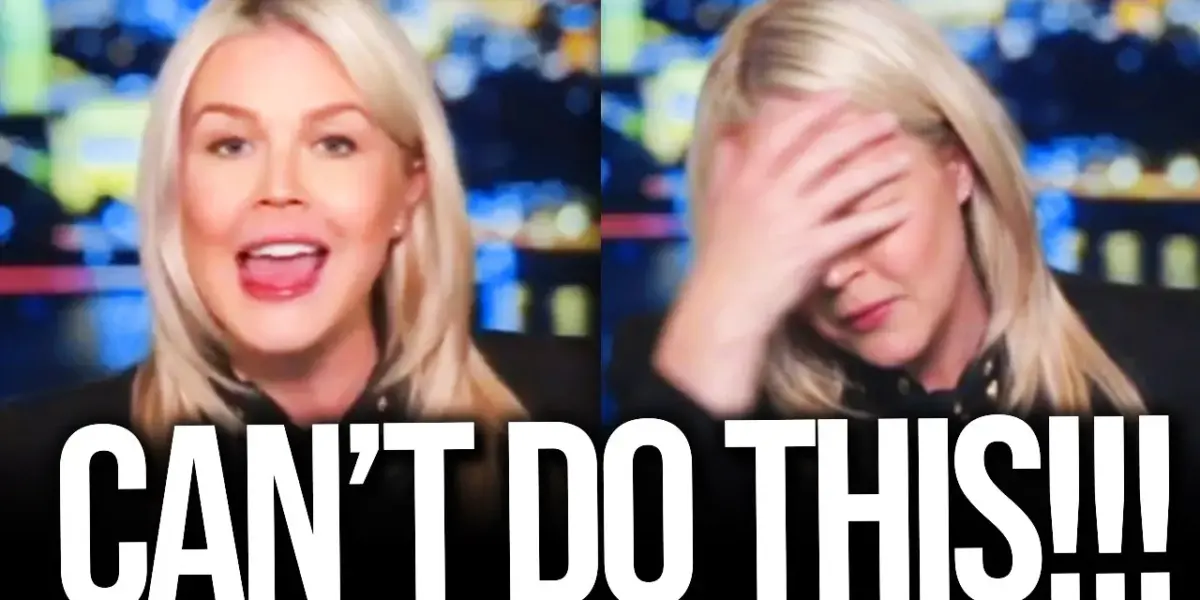
Media War: Trump Ally Defends Iran Strategy
A recent appearance by commentator Karoline (“Caroline”) Levit on Fox News has sparked a debate about media coverage of international conflicts and former President Donald Trump’s foreign policy. Levit defended Trump’s actions regarding Iran, clashing with critics who argue that the media is being manipulated and that the U.S. is not safer.
During the segment, Levit criticized major news outlets like The New York Times, The Wall Street Journal, and CNN. She claimed these outlets were not reporting the truth about the U.S. military’s actions against Iran.
Levit suggested they were rooting for the Iranian regime instead of supporting the American people and military. This was because of their opposition to President Trump, she argued.
Historical Echoes and Independent Media
The commentary drew parallels to the lead-up to the Iraq War in the mid-2000s. The argument is that both situations involved media presenting imagery of conflict while pushing a particular narrative. Back then, the focus was on weapons of mass destruction.
This time, the speaker suggests, the narrative is different, but the intent is similar: to justify military action. The difference now, according to critics, is the rise of independent media. These outlets are seen as a variable that political figures like Trump did not anticipate, offering alternative viewpoints.
Challenging the Narrative on Iran Policy
Levit asserted that under Trump’s leadership, the U.S. was closer to a “good deal” with Iran than ever before, contrasting it with the Obama administration’s deal. She highlighted the Strait of Hormuz, a key shipping lane, and suggested Iran’s ability to control it was a point of concern.
However, critics pointed out that Trump himself had previously sued The Wall Street Journal and lost. They also noted that Trump’s proposed deal was similar to Obama’s, and that Iran’s ability to influence the Strait of Hormuz remained a significant issue.
The core of the disagreement lies in how the conflict with Iran is framed. Critics argue that questioning an “unjust, unconstitutional, illegal war” is not anti-American or anti-military.
They believe it’s about keeping troops safe and avoiding unnecessary conflicts. This perspective echoes historical moments, like the Vietnam War, where dissenting voices were sometimes labeled as unpatriotic, even as the war proved costly and unsuccessful.
Debating Trump’s Decisions and Leadership
Levit praised Trump’s courage in taking action against Iran, suggesting he was the only president willing to confront the nation after decades of conflict. She stated that the U.S. military had “taken out” thousands of targets and depleted Iran’s naval and air forces. This portrayal suggests a decisive and successful military campaign.
Critics, however, challenged this interpretation. They argued that Trump’s actions, such as the strike that killed a top Iranian general, were not necessarily acts of courage but rather reckless decisions.
They also pointed out that Iran’s conventional navy, while impacted, still possessed the IRGC navy, which could still disrupt shipping in the Strait of Hormuz. Critics claimed that Trump’s administration underestimated the situation, ignoring advice from experienced generals, similar to how they were persuaded by Israeli Prime Minister Netanyahu’s briefing.
“The facts are the United States of America tonight have never been so close to making a truly good deal unlike the horrific deal signed by Barack Hussein Obama.” – Karoline Levit
The “Two Weeks” Promise
A recurring theme in the criticism was Trump’s tendency to make bold promises about swift resolutions, often stating things would be “finished pretty quickly” or “in two weeks.” Critics argued that these promises rarely materialized as quickly as advertised, and that Trump had even threatened actions that could be considered war crimes, such as targeting civilian infrastructure.
Levit defended Trump’s decision-making process, stating he listens to a wide range of opinions before making final choices. She insisted he acts in the best interest of the United States, regardless of media criticism or political consequences. This was presented as a sign of strong leadership.
However, the opposing view suggested that Trump’s definition of “best interest” might be self-serving. They pointed to his pardons of January 6th defendants as an example of prioritizing personal gain over the nation’s. The idea that Trump alone defines what’s best for America was questioned, with critics arguing his actions might benefit him more than the country.
Weighing the Costs and Consequences
Critics presented a starkly different picture of the conflict’s outcome. They claimed that America was worse off, with Iran having more regional control.
They cited losses in missile weaponry, soldier casualties, and significant financial costs, with requests for billions more in funding. The control of the Strait of Hormuz by Iran was highlighted as a major strategic disadvantage.
Levit, conversely, maintained that Trump’s approach had led to success and brought the U.S. to the brink of a favorable deal. She emphasized Trump’s commitment to following through on his promises, suggesting that media and political opponents consistently underestimated him. This was framed as a pattern of doubt followed by proven wrong, from 2016 to potential future elections.
Why This Matters
The debate highlights the key role of media in shaping public perception of foreign policy and military actions. It also raises questions about accountability for decisions made during times of conflict.
The differing interpretations of events and leadership highlight the challenge of discerning objective facts from partisan narratives. Understanding these dynamics is essential for an informed citizenry.
Implications and Future Outlook
This exchange suggests a continuing divide in how Americans view foreign policy and the role of the United States in global affairs. The effectiveness of independent media in challenging established narratives is a key trend.
As conflicts evolve, the ability of citizens to access and critically evaluate information from various sources will become even more important. The focus on “deals” and “negotiations” versus direct military action will likely remain a central theme in political discourse.
The situation with Iran, in particular, involves complex geopolitical factors, including its nuclear program and regional influence. Future U.S. policy toward Iran will likely continue to be a subject of intense debate, influenced by domestic politics and international relations. The question of whether military actions lead to lasting stability or prolonged conflict remains a critical point of contention.
The conflict’s resolution, or lack thereof, and its impact on regional stability will be closely watched. Future leaders will face the challenge of navigating these complex relationships while managing domestic political pressures and public opinion.
Source: Karoline Gets Desperate… CAN’T DEFEND TRUMP! (YouTube)

Related Articles
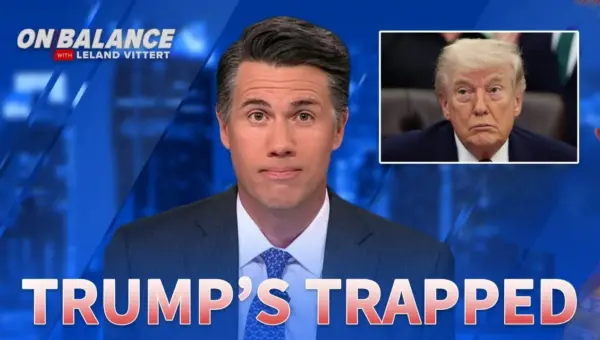
Trump Faces Iran Crisis: Trapped with No Easy Answers
Former President Trump faces a complex crisis with Iran, appearing trapped with limited options. Public opinion and Iran's strategic maneuvering suggest a need for a deal, but leverage is scarce. The situation echoes historical tensions and raises questions about future diplomatic outcomes.

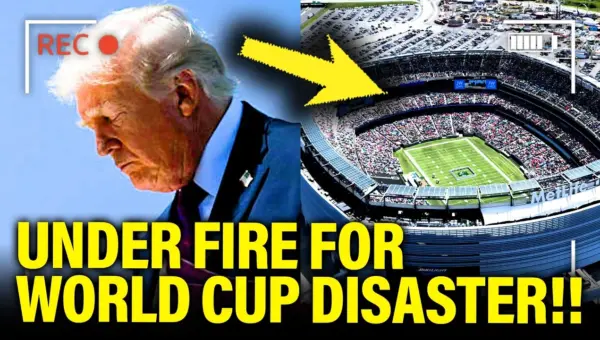
Trump Policies Threaten World Cup Dream
The 2026 World Cup faces significant hurdles due to U.S. travel restrictions, high costs, and complex visa processes. Industry experts now predict a smaller economic boost than initially hoped, raising concerns about the tournament's success and the U.S.'s image as a host nation.

Military Leaders Sideline President Amid Fears of Erratic Behavior
Military advisors reportedly excluded President Trump from command during a critical operation due to fears of his erratic behavior. This has reignited calls for invoking the 25th Amendment, highlighting concerns about presidential fitness and national security.