Trump Threatens Iran as Peace Talks Face New Hurdles
President Trump has renewed threats against Iran, demanding a deal by Wednesday amid escalating tensions and a looming ceasefire deadline. Peace talks in Islamabad face uncertainty as Iran's participation remains undecided. The conflict is impacting energy prices and public opinion, with a new poll showing declining approval for President Trump and growing concerns about inflation and the war.

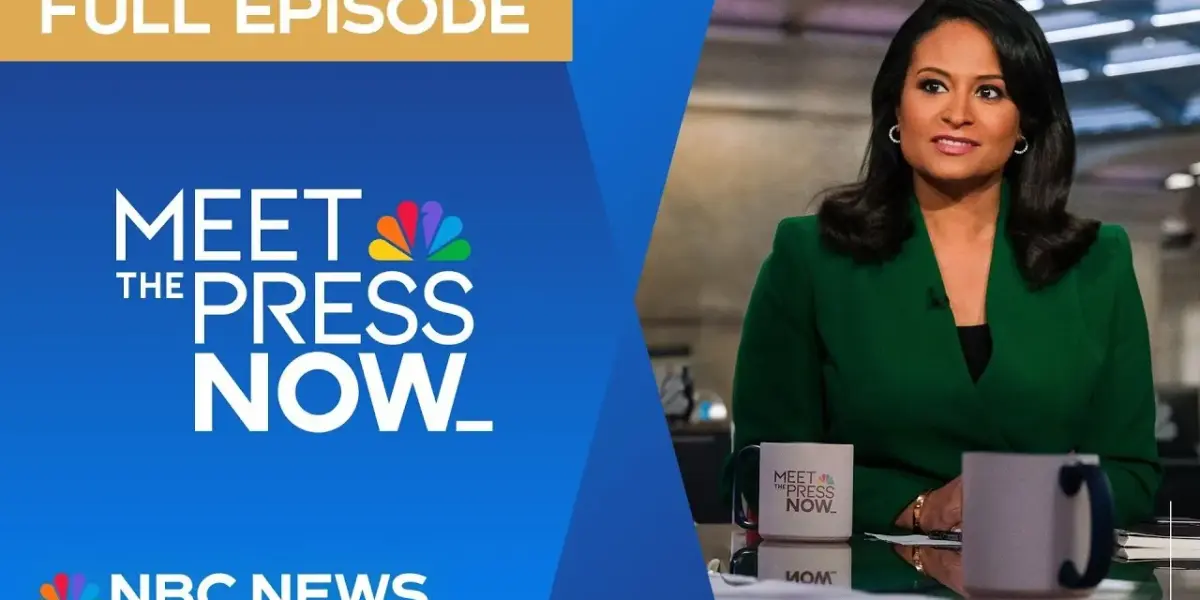
Tensions Flare as Trump Issues Stark Warning to Iran
President Trump has renewed his threat to target Iran’s civilian infrastructure, escalating tensions and casting new uncertainty over peace talks. The renewed threat comes as Vice President Vance, Special Envoy Steve Witkoff, and Jared Kushner are reportedly preparing for a second round of negotiations with Iran in Islamabad. However, Iran’s Foreign Ministry has stated that no decisions have been made regarding their participation in these talks, highlighting the delicate and rapidly shifting nature of the situation.
‘No More Mr. Nice Guy’: Trump Demands Deal by Wednesday
In a forceful message on social media, President Trump declared, “No more Mr. Nice Guy.” He reiterated his ultimatum, threatening to disable every power plant and bridge in Iran if a deal is not reached by Wednesday. This hardline stance follows the U.S. Navy’s seizure of an Iranian-flagged cargo ship attempting to breach a U.S. blockade of Iranian ports. The Pentagon released footage showing the Navy’s warning to the vessel, which Iran has denounced as an act of armed piracy and theft.
Ceasefire Deadline Looms Amid Diplomatic Uncertainty
The looming Wednesday deadline for the ceasefire agreement adds another layer of pressure to the ongoing diplomatic efforts. While U.N. Ambassador Mike Waltz stated that any decision on extending the ceasefire rests with the President, he emphasized that “everything’s on the table.” President Trump himself told Bloomberg that extending the deadline is “highly unlikely,” despite having extended similar deadlines multiple times in the past month. The exact timing of this deadline remains unclear, adding to the general confusion surrounding the negotiations.
Economic Fallout: Energy Prices and Public Concern
The conflict’s impact is already being felt economically. Energy Secretary Chris Wright has cautioned the public about potentially prolonged high gas prices, suggesting it could take months for prices to return to lower levels. He indicated that prices might not fall below $3 a gallon until next year, though he also noted they have likely peaked.
President Trump, however, disagreed with his Energy Secretary’s assessment, stating that gas prices would decrease as soon as the war ends. This economic strain comes amid growing public backlash against the President’s handling of the war, with a new NBC News poll showing a significant portion of Americans disapproving of his actions.
Mixed Signals and Shifting Dynamics on the Ground
Reports from Islamabad indicate preparations are underway for the potential negotiations, with heightened security measures in place. Both the U.S. and Iranian ambassadors have met with Pakistani officials, suggesting that security arrangements for visiting delegations are being discussed. Keir Simmons, reporting from Islamabad, described the situation as a high-stakes diplomatic game where confrontations, like the seizure of the cargo ship, might be used as negotiation tactics.
Meanwhile, messages from Tehran remain divided. While the Revolutionary Guard Corps (IRGC) has vowed retaliation for the ship seizure, Iranian President Pezeshkian has spoken about diplomacy, highlighting a split within the Iranian leadership that complicates negotiations for the Trump administration.
Naval Action and Iran’s Retaliation Capabilities
Courtney Kube provided details on the U.S. military’s seizure of the Iranian-flagged vessel, noting that Marines are currently on board searching the ship and its cargo. The operation involved hours of communication with the vessel before disabling fire was used, specifically targeting the engine room rather than employing missiles.
Despite Iran’s conventional capabilities being degraded, officials warn that Iran retains significant missile and drone capabilities, as well as fast boats operated by the IRGC Navy. The question of centralized control over these assets remains a concern, given the apparent divisions within Iran’s leadership.
Market Reactions and Inflation Woes
Brian Cheung reported on the economic implications, noting that initial optimism about the Strait of Hormuz reopening had faded, leading to a mixed reaction on Wall Street. Crude oil futures remain elevated, up significantly since the war began, and Americans continue to face high gas prices nationwide.
The rising cost of living is a major concern for Americans, with inflation being the top economic issue. Analysts suggest that the prolonged conflict and the closure of the Strait of Hormuz make a quick return to pre-war gas prices unlikely.
Public Opinion and Generational Divides
Steve Kornacki presented polling data revealing a decline in President Trump’s approval rating, particularly concerning his handling of the Iran war and inflation. The poll also highlighted significant generational and partisan divides, especially regarding the Israeli-Palestinian conflict, with younger generations and Democrats showing more sympathy towards Palestinians. A substantial majority of young Americans, specifically Gen Z, disapprove of President Trump’s job performance and his handling of key issues like inflation and the war with Iran.
Youth Frustration and the Path Forward
Shaquille Brewster’s reporting from Lake Michigan College in Michigan echoed the poll’s findings, with students expressing frustration over the economy, international relations, and the general direction of the country. Many pointed to the rising costs of gas, groceries, and rent as significant concerns. While some students attributed their dissatisfaction to policy, others cited different factors like religion.
The ongoing conflict in Iran is a specific concern for many, reflecting a broader anxiety about the nation’s trajectory. The upcoming discussions will focus on the implications of these public sentiments and the potential impact on the upcoming elections.
Source: Meet the Press NOW — April 20 (YouTube)

Related Articles


Iran Ceasefire Hangs in Balance Amid US Naval Action
A fragile ceasefire between the U.S. and Iran faces an uncertain future as tensions rise in the Strait of Hormuz. U.S. Marines seized an Iranian-flagged ship, while prospects for peace talks remain dim amid conflicting statements and internal divisions. Meanwhile, other global events include a new investigation into Jeffrey Epstein's Zorro Ranch and a significant leadership change at Apple.
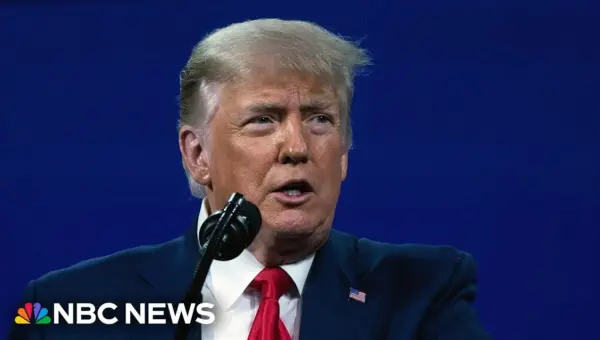
US-Iran Peace Talks Stall Amid Escalating Threats, Ceasefire Deadline
US-Iran peace talks face significant hurdles as escalating threats and a looming ceasefire deadline create uncertainty. While U.S. officials prepare for potential negotiations in Islamabad, Iran's Foreign Ministry remains non-committal. The situation is further complicated by a recent naval incident and economic concerns over rising energy prices.


Trump’s Tariffs Declared Unconstitutional; Government Repays Billions
The U.S. government is returning $166 billion after the Supreme Court ruled Trump-era tariffs unconstitutional. This landmark decision allows businesses to recoup costs from duties deemed unlawful. The repayment signals a significant financial relief and a potential shift in future trade policy implementation.