Balloon Lands in Yard, Sparks AI Doubts
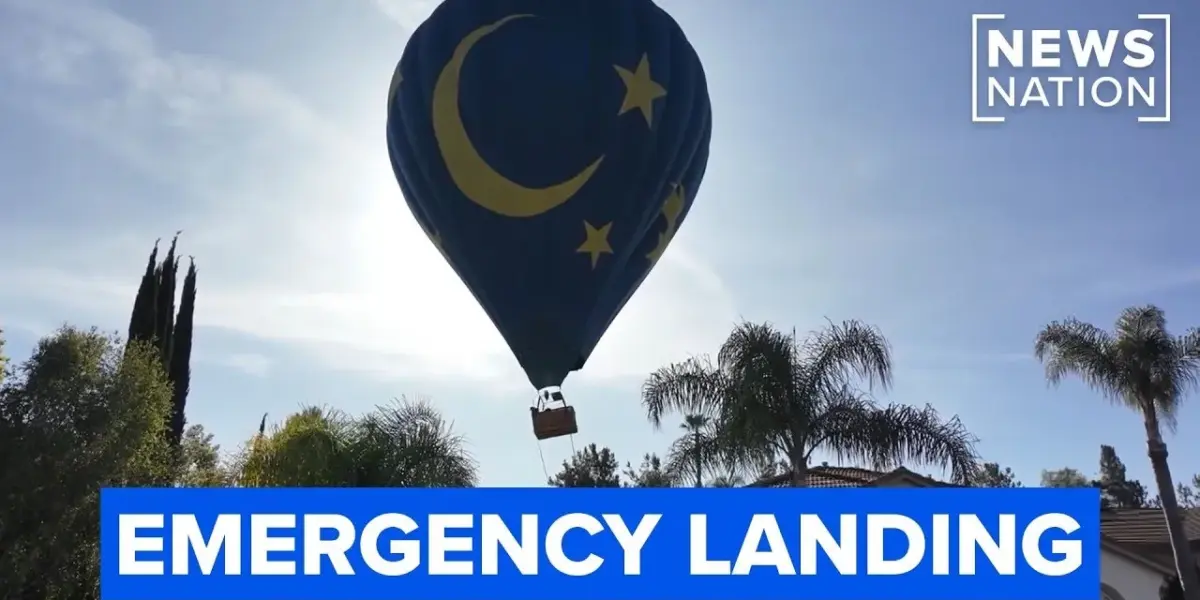
A hot air balloon made an emergency landing in a suburban backyard in Temecula, California, sparking surprise and later, disbelief. The event, witnessed by many neighbors, was so unusual that some online viewers questioned its authenticity, suspecting it was AI-generated. The homeowners confirmed the landing was real, emphasizing the growing challenge of discerning truth in the age of advanced AI.

Balloon Lands in Yard, Sparks AI Doubts
A quiet Saturday morning in Temecula, California, turned into a scene straight out of a storybook when a hot air balloon made an unexpected landing in a suburban backyard. The balloon, reportedly low on fuel and unable to catch favorable winds, was forced to make an emergency descent around 8:30 AM. It managed to avoid fences, trees, and nearby homes, landing safely amidst the surprised residents.
Hunter and Jenna Parent, the homeowners, described the event as “wild.” They watched as the balloon, carrying several passengers, gently settled in their yard. Neighbors quickly gathered, drawn by the unusual sight and the clear view of the balloon hovering over the house. One neighbor mentioned their home is actually in a common flight path for balloons, a frequent occurrence in the Riverside County area.
Thankfully, everyone involved, both in the balloon and on the ground, was safe. There was no damage to any property, which was the biggest relief for the homeowners. Jenna Parent shared, “We’re just happy that everyone was safe and it’s just such a whimsical story.” The unexpected event provided a memorable, albeit unusual, experience for the family and their neighbors.
Removing the large balloon from the backyard required some effort. It involved using extra fuel and careful maneuvering, with the Parents and neighbors documenting the entire process. The unusual situation quickly became a topic of conversation, especially with the rise of AI-generated images and videos.
The photos and videos shared online prompted some viewers to question the authenticity of the event. One neighbor recounted sending a picture to his daughter, who immediately responded, “Oh, that’s just AI.” This reaction highlights how easily realistic-looking fake content can be created today, making people doubt even real-life occurrences.
However, the homeowners and neighbors were quick to confirm the event’s reality. “Well, we have a lot of witnesses, a lot of witnesses,” Hunter Parent stated. The presence of numerous onlookers and the clear documentation from multiple sources served as proof that the balloon landing was indeed a real event, not a digital creation.
Why This Matters
This incident, while seemingly a lighthearted story about an unusual landing, touches on a larger societal issue: the growing difficulty in distinguishing between real and fake content. As AI technology advances, it becomes easier to generate highly convincing images and videos. This can lead to widespread skepticism, where even genuine events are questioned.
The experience of the Parents and their neighbors is a reminder of the importance of critical thinking and source verification today. While AI can be a powerful tool for creativity and innovation, it also presents challenges in maintaining trust and factual accuracy in our information consumption.
Background and Context
Hot air ballooning has a long history, dating back to the 18th century. It offers a unique and serene way to experience landscapes from above.
In areas like Temecula, known for its pleasant weather and scenic views, balloon rides are a popular tourist activity. These balloons typically launch in the early morning when the air is most stable.
Emergency landings, though rare, can occur due to various factors. These include sudden changes in wind speed or direction, mechanical issues, or running out of fuel. Pilots are trained to handle such situations, aiming for the safest possible landing spot, which might not always be a designated launch or landing area.
Implications and Future Outlook
The skepticism surrounding the balloon landing reflects a broader trend. As AI-generated content becomes more sophisticated, the public’s trust in visual media may erode further. This could impact everything from news reporting to personal interactions online.
Moving forward, there will likely be an increased need for tools and methods to verify the authenticity of digital content. This could involve digital watermarking, blockchain-based verification, or simply a renewed emphasis on eyewitness accounts and credible reporting from established news sources.
The story of the backyard balloon landing, while ultimately a harmless and even amusing anecdote, highlights the challenges of navigating an increasingly digital world. It reminds us that even when something seems unbelievable, it might just be a very unusual, but very real, event.
The next time you see a surprising image or video online, remember the Temecula balloon landing. Always look for multiple sources and credible witnesses before dismissing it as fake.
Source: Hot-air balloon makes emergency landing in suburban backyard (YouTube)

Related Articles


Mom Wins Race, Stuns Jamaica Sports Day Crowd!
A mom in Jamaica surprised everyone at her son's sports day by entering a race and winning with incredible speed. She ran like a professional athlete after her son asked her to help his team earn points. The moment was captured on video and has since gone viral.

Angry German Kid Meme: A Cultural Flashpoint?
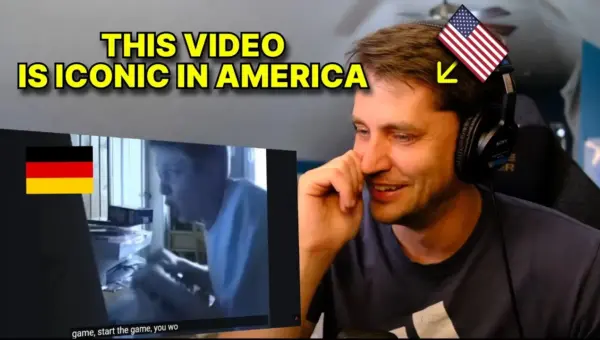
An American reacts to the infamous "Angry German Kid" meme, a viral video from 2006. The reaction explores the meme's intensity, its connection to gaming culture, and its lasting impact as an early internet phenomenon.
Pilot Lands Small Plane on Phoenix Street, Saves Lives
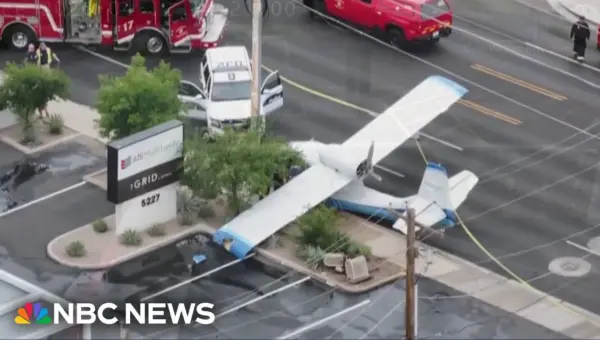
A small plane made an emergency landing on a busy downtown Phoenix street Tuesday after suffering engine failure. The pilot skillfully navigated the aircraft around cars and pedestrians, bringing it down safely with only a collision with a fire hydrant. Both passengers were uninjured and praised the pilot's heroic actions.