Iran Faces Financial Collapse: Sanctions Intensify
The U.S. Treasury's "Operation Economic Fury" is intensifying financial pressure on Iran by blocking ports and freezing assets. Billions in overseas accounts are targeted, with seizure and secondary sanctions proposed. This strategy aims to cripple the Iranian regime's funding and force its end.


Iran Faces Financial Collapse as Sanctions Intensify
The Iranian regime is facing unprecedented financial pressure, with the U.S. Treasury implementing a strategy called “Operation Economic Fury.” This plan aims to cripple Iran’s ability to fund its activities by blocking its ports and freezing its banking assets. The goal is to bring the regime to an end by cutting off its revenue streams.
Treasury official Scott Bessent unveiled the operation last week, focusing on maximum financial pressure against the Islamic Revolutionary Guard Corps (IRGC). Larry Kudlow highlighted the importance of these measures, suggesting that blocking Iranian ports and freezing bank accounts are key weapons. These actions could prevent the regime from accessing its money and ultimately lead to its downfall.
Ports Blockaded, Revenue Dries Up
Reports indicate that Iranian ports are currently being blocked successfully. This blockade is expected to cause Iran’s revenue to dry up quickly. The IRGC, described as a government cartel and a mafia-like business operation, may soon struggle to even make payroll.
The daily losses from these blocked ports could reach over $400 million. Such significant financial damage can certainly get a company’s attention and force changes. This ongoing financial strain is a major blow to the regime’s operational capabilities.
Overseas Accounts Targeted
Beyond port blockades, the strategy targets billions of dollars held in overseas bank accounts by Iranian officials. These funds are believed to have been extorted and stolen from ordinary Iranian citizens. The call is for these foreign bank accounts to be seized.
Countries like Turkey, the UAE, Qatar, Azerbaijan, and Pakistan are mentioned as places where these Iranian deposits are held. The proposal is for these countries to hand over the Iranian deposits. These funds would then be placed in a special war escrow account within the U.S. Treasury Department.
Seizure vs. Freeze: A Stronger Stance
While freezing assets is a common tactic, some argue that actual seizure is a more powerful and comprehensive measure. This approach aims to permanently remove the funds from the regime’s reach. It represents a more aggressive stance in applying financial pressure.
Countries that refuse to cooperate with Operation Economic Fury could face severe consequences. These nations might be subjected to secondary sanctions and tariffs. This means foreign banks could be removed from international payment systems like SWIFT.
Secondary Sanctions and SWIFT Exclusion
Being removed from the SWIFT (Society for Worldwide Interbank Financial Telecommunication) system is a significant penalty. SWIFT is a secure messaging network used by banks worldwide to send and receive information, such as instructions for money transfers. Exclusion from this system would severely limit a country’s ability to conduct international financial transactions.
Foreign banks that continue to do business with sanctioned Iranian entities could also lose their access to U.S. financial markets. This includes being removed from the New York Fed Wire system. These actions would maximize the financial pressure on the Iranian regime, isolating it further from the global economy.
Decades of Looting and Diversified Portfolios
The Iranian regime has been accused of stealing and looting the country’s treasury for decades. It is likely that officials have diversified their international investment portfolios to protect these illicit gains. These funds have been used to maintain power and control over Iranian businesses.
The IRGC’s control over various businesses has been a key factor in their grip on power. This economic influence helps them resist external pressures, including potential military action from the U.S. and Israel. The financial strategy aims to dismantle this economic foundation.
The Role of Neighboring Countries
Scott Bessent pointed out a potential turning point: Iran’s decision to bomb its neighbors in the Persian Gulf. These actions have made these neighboring countries more willing to cooperate with financial sanctions. This cooperation is crucial for the success of Operation Economic Fury.
The willingness of these GCC (Gulf Cooperation Council) nations to be more transparent about funds and cooperate with U.S. efforts is a significant development. It allows for a more coordinated and effective approach to cutting off Iranian financial lifelines.
Further Escalation: Seizure and Bombing
While freezing assets is a starting point, the discussion includes more aggressive measures like outright seizure of funds. Secondary sanctions are also seen as a powerful tool to enforce compliance. Banking seizures and blockading Iranian ports are central to this strategy.
If these financial measures prove insufficient, the possibility of further combat and bombing is not ruled out. The combination of intense financial pressure and potential military action aims to force the regime’s collapse. The ultimate goal is to end the regime’s destabilizing activities.
Market Impact
The intensified sanctions on Iran are likely to impact global oil prices, though the extent depends on the effectiveness of the blockade and the market’s reaction. Disruptions to Iranian oil exports could lead to price spikes. However, the global market has become more resilient to such shocks over time, with other producers able to increase output.
Financial institutions with exposure to Iran or countries that facilitate Iranian transactions could face scrutiny and potential losses. Countries that refuse to comply with sanctions may experience trade disruptions and reduced access to international financial systems. This could lead to economic uncertainty in affected regions.
What Investors Should Know
Investors should monitor geopolitical developments closely, particularly in the Middle East. The effectiveness of Operation Economic Fury will be a key factor. Keep an eye on energy market reactions and the financial health of companies with significant international operations.
The situation highlights the risks associated with investing in regions prone to geopolitical instability. Diversification remains a crucial strategy for mitigating such risks. Understanding how international sanctions can impact global trade and financial flows is essential for informed investment decisions.
The U.S. Treasury’s aggressive stance signals a long-term commitment to pressuring Iran. Investors should anticipate continued volatility and potential shifts in global financial dynamics as these policies are implemented.
Source: Larry Kudlow: We're coming to the end game (YouTube)

Related Articles


LA Woman Arrested for Alleged Iran Arms Deals
A California woman, Shami Mafi, has been arrested for allegedly brokering hundreds of millions of dollars in weapons sales from Iran to Sudan. Apprehended at LAX while trying to fly to Turkey, Mafi is accused of violating U.S. sanctions and using encrypted messaging to hide her alleged illegal activities. The arrest has shocked her neighbors and highlights concerns about international arms trafficking.
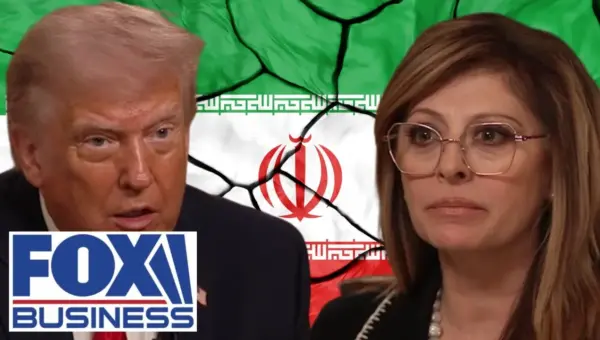
Trump’s Iran Blockade Sparks Market Rally, Offers Economic Hope
The U.S. blockade on Iranian ports has spurred a significant market rally, with stocks reaching new highs and oil prices stabilizing. This economic pressure aims to prevent Iran from developing nuclear weapons and is expected to lead to a swift resolution of the conflict. Investors are optimistic about the resilience of the U.S. economy.
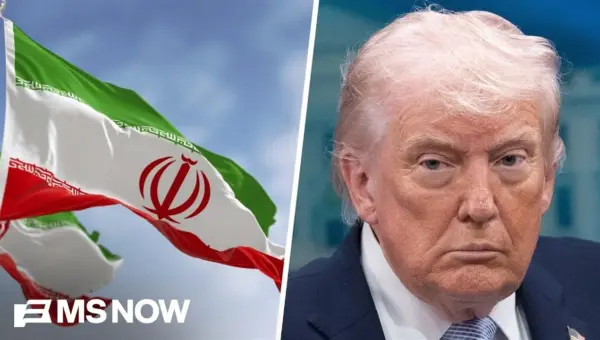
Iran Nuclear Deal Talks Stall Amid Strait of Hormuz Tensions
Tensions are high over the Strait of Hormuz as conflicting reports emerge regarding Iran's nuclear program and potential peace talks. Despite claims of openness, Iran fired on a tanker, while the U.S. maintains sanctions. Experts are skeptical of a breakthrough, citing Iran's firm stance on enrichment and its regional influence.