Wall Street Soars as Americans Struggle: A Widening Economic Divide
Wall Street is experiencing record profits while ordinary Americans struggle with rising costs and economic uncertainty. This widening gap is fueled by policy decisions and a disconnect between market performance and everyday lived experiences. Key issues include sticky prices, unclear government objectives, and proposed budget cuts that raise questions about national priorities.

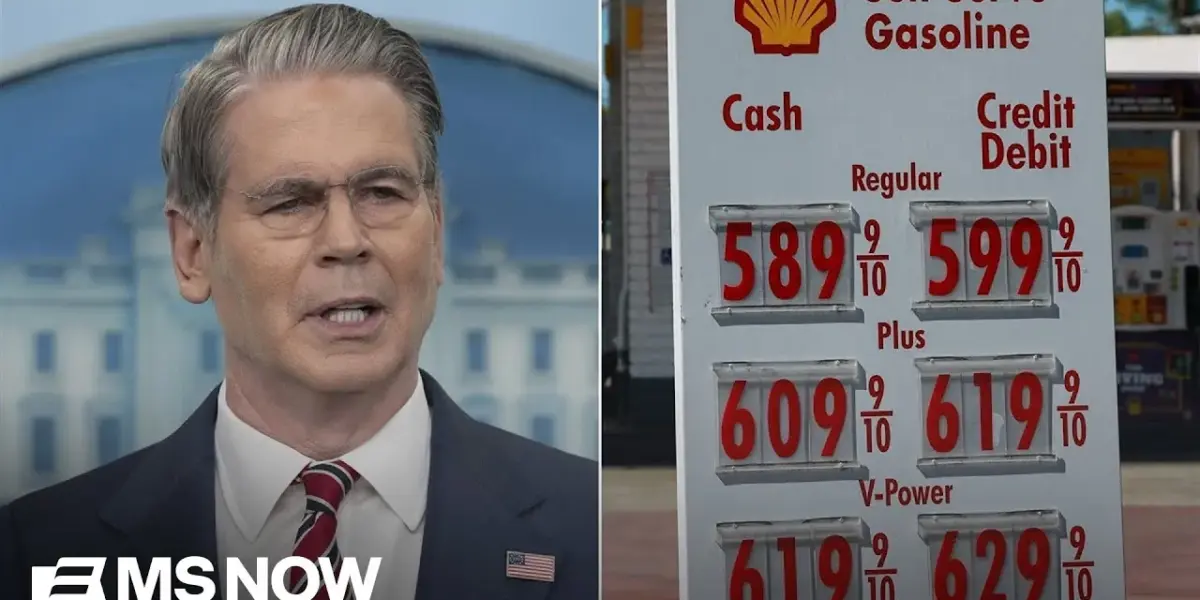
Economic Disconnect: Markets Reach New Highs Amidst Public Hardship
In a striking contrast, Wall Street has seen record-breaking returns while everyday Americans grapple with rising costs and economic uncertainty. This widening gap, fueled by a complex mix of global events and policy decisions, leaves many questioning the direction of the economy.
Treasury Secretary Scott Bessent’s optimistic prediction of gas prices dropping to $3 a gallon by late summer has done little to ease public concern, especially as current lived experiences suggest otherwise. The disconnect between financial market performance and the reality faced by most citizens has become a central issue.
Policy Choices and Unclear Objectives
The current economic climate is shaped by significant policy choices, including tariffs, mass economic disruption, and international conflicts. These decisions, largely attributed to one man, President Donald Trump, have created challenges for the administration in publicly defending their economic strategy.
Treasury Secretary Bessent’s comments on gas prices highlight this difficulty, particularly when his remarks about the speed of potential price drops may not align with public perception or market realities. The administration has struggled to articulate a clear, consistent message about the objectives behind these economic actions, leading to confusion among the American people.
The Sticky Nature of Prices and Public Trust
Gas prices, in particular, are known to be ‘sticky,’ meaning they tend to stay high once they reach a certain level. Oil cartels often realize consumers are willing to pay more, making significant drops difficult. The administration’s optimism about price decreases often clashes with this market behavior and the everyday experience of consumers.
This creates a trust deficit, as people struggle to see how projected economic gains will translate into tangible relief in their lives. The challenge is amplified by the fact that many of these policies, like tariffs, have long-term implications that are hard for the public to accept when facing immediate financial pressure.
Midterm Elections and Economic Messaging
With midterm elections approaching, the administration faces a critical messaging challenge. Promises of lower prices, especially for gas, have been a consistent theme. However, if gas prices do not significantly decrease by November, it could be damaging to the administration’s campaign efforts.
The public may forget legislative achievements if their daily cost of living remains high. This economic reality can overshadow positive news, such as the S&P hitting all-time highs, making it difficult for the administration to control the narrative. The focus remains on whether the promised economic relief will materialize before voters head to the polls.
Budgetary Priorities: A Stark Contrast
Beyond immediate concerns like gas prices, proposed budget cuts reveal a stark contrast in priorities. President Trump’s budget has suggested significant reductions in areas like housing assistance, including block grants for domestic violence shelters, and food assistance for mothers and children.
Proposed cuts to the National Science Foundation budget, an entity crucial for innovations like the internet and weather prediction, raise questions about long-term investment. These proposed cuts appear to contradict claims of fighting for the well-being of citizens and fostering innovation, creating a significant disconnect between rhetoric and proposed action.
Wall Street’s Boom vs. Main Street’s Strain
While many Americans are focused on making ends meet, major financial institutions like Citibank, Bank of America, and J.P. Morgan have reported their best quarters ever in equity trading. This surge is driven by market volatility, which, while potentially harmful to individual investors, proves highly profitable for large banks.
This situation exemplifies a ‘K-shaped’ economy, where those at the top thrive while others struggle with the rising costs of essentials like healthcare and housing. The concern is that this economic divergence is becoming more pronounced, leaving a significant portion of the population feeling left behind.
The Future of Work and Education
Graduates entering the job market face an uncertain future, particularly with the rise of artificial intelligence. Many express a lack of faith in Washington’s ability to create new rules for this evolving economy. The value of higher education is also being re-evaluated, as the promised return on investment for degrees, especially in fields like computer science, appears to be diminishing for some.
This raises questions about student debt and the justification of educational costs, particularly when compared to the value of humanities and social science education, which may be acquired at a lower cost. The focus on market-driven skills has, for some, overshadowed broader educational goals.
Policy Solutions and Political Obstacles
Addressing the economic divide requires thoughtful policy solutions, but political obstacles often stand in the way. Proposals like an $80 billion investment in childcare, aimed at reducing costs for families, are seen by some as a better investment than overseas spending. However, such initiatives have faced opposition from key political figures.
The frustration is palpable when bold policies that could impact people’s lives are voted down, often due to corporate lobbying. This political gridlock leaves many Americans feeling that neither party is effectively addressing their core economic concerns or offering genuine free-market solutions.
A Divided Political Landscape
The current political landscape presents a complex challenge. While some Republicans historically advocated for free-market principles, the party’s direction has shifted. There’s a growing embrace of policies previously associated with the left, such as government intervention in markets and support for state-owned enterprises.
This ideological shift, coupled with President Trump’s significant influence over the party, leaves many Republican lawmakers hesitant to deviate from his platform, fearing primary challenges. This dynamic hinders the potential for bipartisan cooperation on economic issues and leaves voters seeking representation for their preferred economic approaches feeling underserved.
Looking Ahead: The Need for Action
The coming months will be critical for understanding the true impact of current economic policies. The administration’s ability to address the tangible concerns of everyday Americans, beyond market performance, will be closely watched.
As the nation approaches the midterm elections, the focus will remain on whether economic relief will be felt by a broad spectrum of the population. The ongoing debate over budget priorities and the future of work will continue to shape discussions about the nation’s economic path forward.
Source: Americans are 'trying to get through the day' while Wall Street rakes in big returns (YouTube)

Related Articles
Economy Roars Back as Regulations Fall Away
Tax cuts and deregulation are fueling economic growth, with wages now outpacing inflation. This "boot off the throat of the economy" approach is leading to increased productivity and more money in Americans' pockets. The focus is on empowering businesses and individuals, reducing government intervention.
Tax Refunds Bolster Economy, But Inflation Woes Linger
The Trump administration is promoting increased tax refunds as a key economic benefit, aiming to boost consumer spending and frame tax season positively. While the stock market shows strength, persistent inflation and high living costs present ongoing challenges for American households.
Trump’s War Claims Spark Stupidity or Insanity Debate
Donald Trump's recent claim that 'nobody has ever ended one war' has sparked debate about his mental state and political awareness. Experts and critics point to his past statements and actions, including his handling of the Strait of Hormuz conflict, raising concerns about his fitness for office. The upcoming elections are seen as a critical juncture for assessing his political standing.