Squirrels ‘Vaping’? Experts Unmask Odd Animal Behaviors
Viral images of squirrels appearing to vape have a simple explanation: they're attracted to sweet scents from vape liquids. Wildlife experts also discuss the legacy of Pablo Escobar's hippos in Colombia and a theory that grey seals eat dolphins due to a taste for blood.

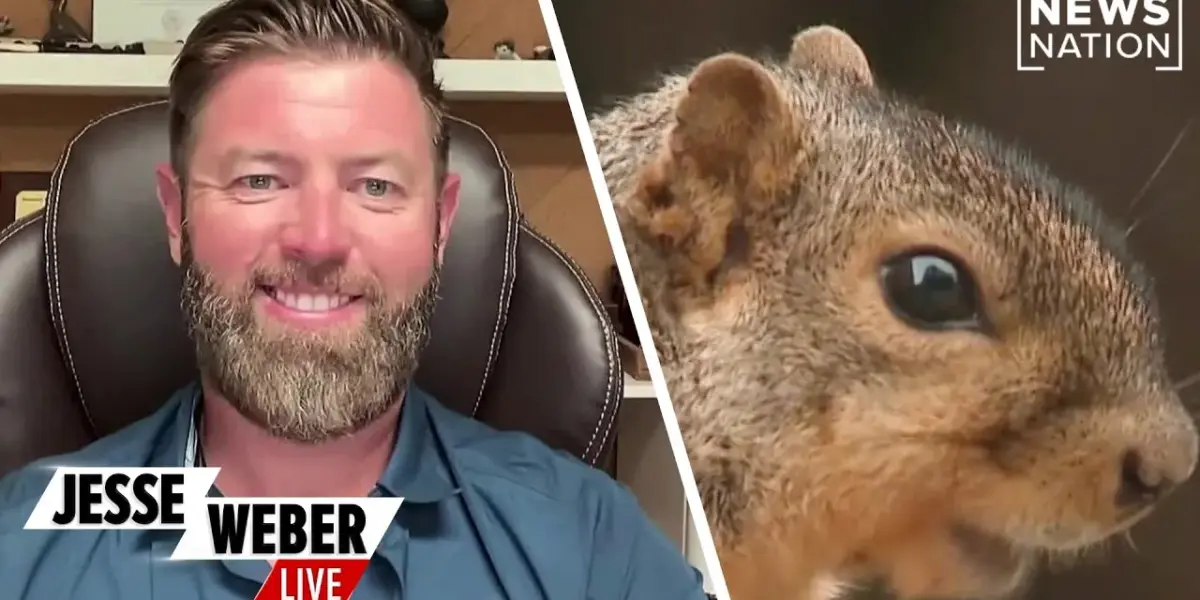
Viral Pictures of Vaping Squirrels? Experts Unmask Odd Animal Behaviors
The internet loves a good mystery, especially when it involves animals acting strangely. Recently, viral images showed squirrels appearing to vape, sparking curiosity and a bit of alarm. Wildlife biologist Dr. Faris Gallant joined Jesse Weber Live to explain these peculiar sights and other unusual animal behaviors, offering scientific insights into what’s really going on.
The Case of the ‘Vaping’ Squirrels
The viral images show squirrels holding what look like vape pens to their mouths. While it’s easy to jump to conclusions, Dr. Gallant suggests a simpler, more natural explanation. Squirrels have a strong sense of smell and are attracted to sweet tastes.
Many modern vape liquids contain sucrose, a sugar alternative that caramelizes when heated. This process creates a sweet smell that can easily attract animals like squirrels. Dr. Gallant believes the squirrels in the photos are simply drawn to the sweet, caramelized scent of the vape liquid, not actively vaping.
They are likely just trying to get a taste of the sugary substance. This behavior, while visually striking, is driven by the squirrel’s natural instincts to seek out food sources, especially sweet ones. It’s a case of mistaken identity, where an animal’s natural foraging behavior is misinterpreted as human-like activity.
Hippos and Cocaine: A Pablo Escobar Legacy
The discussion also touched on the fascinating and concerning situation with hippos in Colombia. These massive animals are descendants of a private collection owned by drug lord Pablo Escobar.
Escobar had an exotic animal collection at his ranch, Hacienda Nápoles. When he was killed, most of these animals were relocated to zoos. However, some hippos remained on his property and eventually escaped into nearby waterways.
From just four escaped hippos, the population has exploded to over 200 individuals. Their rapid growth rate is considered a threat to the local environment and even human safety, leading authorities to consider euthanasia as a population control measure. Dr. Gallant himself has been involved in efforts to sterilize these hippos, but the scale of the problem makes such interventions challenging.
Grey Seals and Dolphin Deaths: A Taste for Blood?
Another puzzling behavior discussed was male grey seals biting and eating dolphins. This is a relatively new phenomenon that has scientists searching for answers.
One leading hypothesis points to a shift in the seals’ diet, possibly due to changes in food availability. However, a more intriguing theory relates to the seals’ own reproductive behavior.
Male grey seals are known to kill their own offspring during certain times of the year to extend the breeding season. In the past, they have been observed eating their deceased young. This has led to speculation that they may have developed a taste for blood or blubber.
When their usual food sources are scarce, they might seek out alternatives, leading them to prey on other marine animals like dolphins. This theory suggests a learned behavior passed down through observation or a direct biological adaptation. Dr. Gallant finds this explanation quite plausible.
Penguins and Micro-Naps: Lessons in Sleep
The conversation also explored how animals sleep, specifically penguins. Scientists have observed penguins taking thousands of ‘micro-naps’ throughout the day.
These micro-naps are incredibly short, lasting only a few seconds. They allow the penguins to rest while remaining alert to their surroundings, a crucial survival mechanism in their often dangerous environment.
Humans experience something similar called ‘microsleep,’ but it’s usually involuntary and can be detrimental. While the direct application of penguin sleep habits to human life might be limited, the concept of efficient, short rest periods is fascinating. It raises questions about how different creatures manage energy and rest, and whether humans could benefit from understanding these strategies.
Why This Matters
These observations highlight how much we still have to learn about the natural world. What appears strange or even alarming at first glance often has a logical, biological explanation rooted in an animal’s evolution, environment, and survival needs.
Understanding these behaviors helps us appreciate the complexity of ecosystems and the intricate ways animals adapt. It also informs conservation efforts, as seen with the Colombian hippos, where understanding population dynamics is key to managing human-wildlife conflict.
Studying animal behavior can offer indirect insights into our own lives. While we might not be taking thousands of micro-naps like penguins, understanding how other species conserve energy or adapt to challenges can spark new ideas and perspectives.
Implications and Future Outlook
As human activity increasingly intersects with wildlife habitats, understanding animal behavior becomes even more critical. The ‘vaping’ squirrels example shows how our own habits can be misinterpreted by wildlife, potentially leading to unintended consequences.
The Colombian hippo situation is a clear reminder of the long-term impacts of introducing non-native species, even unintentionally. It highlights the need for careful management of wildlife populations and ecosystems.
Future research will likely continue to uncover surprising adaptations and behaviors in the animal kingdom. Technologies like advanced tracking and remote sensing will help scientists gather more data, leading to a deeper understanding of animal lives.
The ongoing study of animal behavior, from the seemingly mundane to the extraordinarily odd, enriches our understanding of life on Earth. It encourages us to look closer, question assumptions, and respect the incredible diversity of the natural world around us.
Source: Viral pictures of vaping squirrels: Wildlife expert has explanation | Jesse Weber Live (YouTube)

Related Articles
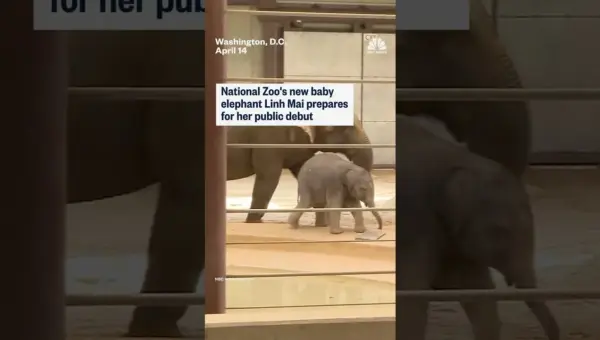
National Zoo’s Baby Elephant Linh Mai Ready for Public Debut
The National Zoo is preparing to introduce its new baby elephant, Linh Mai, to the public. Born on February 23rd, the healthy female calf has spent her first weeks bonding with her mother, Kamala. Her debut marks a significant moment for the endangered Asian elephant species and conservation efforts.
Colombia Weighs Killing ‘Cocaine Hippos’ Escaped from Escobar Zoo
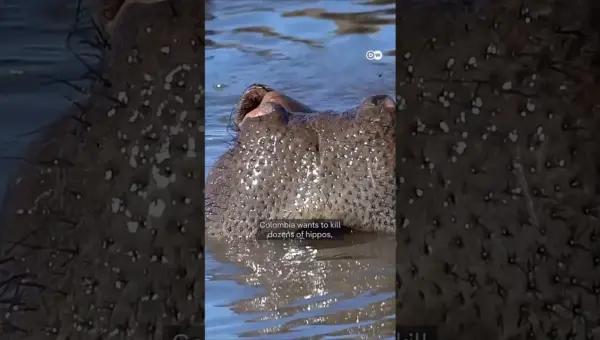
Colombia is considering killing up to 80 hippos that escaped from Pablo Escobar's private zoo decades ago. The non-native animals now number around 170, posing dangers to humans and the environment. Animal rights activists have criticized the proposed culling as a cruel and easy way out.


World Lights Dim for Earth Hour Climate Call
Iconic landmarks and millions of people worldwide turned off their lights for the 20th annual Earth Hour on Saturday. The WWF campaign aimed to raise awareness about environmental protection and the urgent need for climate action. Beyond the symbolic hour of darkness, the event calls for sustained commitment to sustainable living and stronger environmental policies.