White House Briefs Amid Outcry Over Trump’s AI Jesus Image
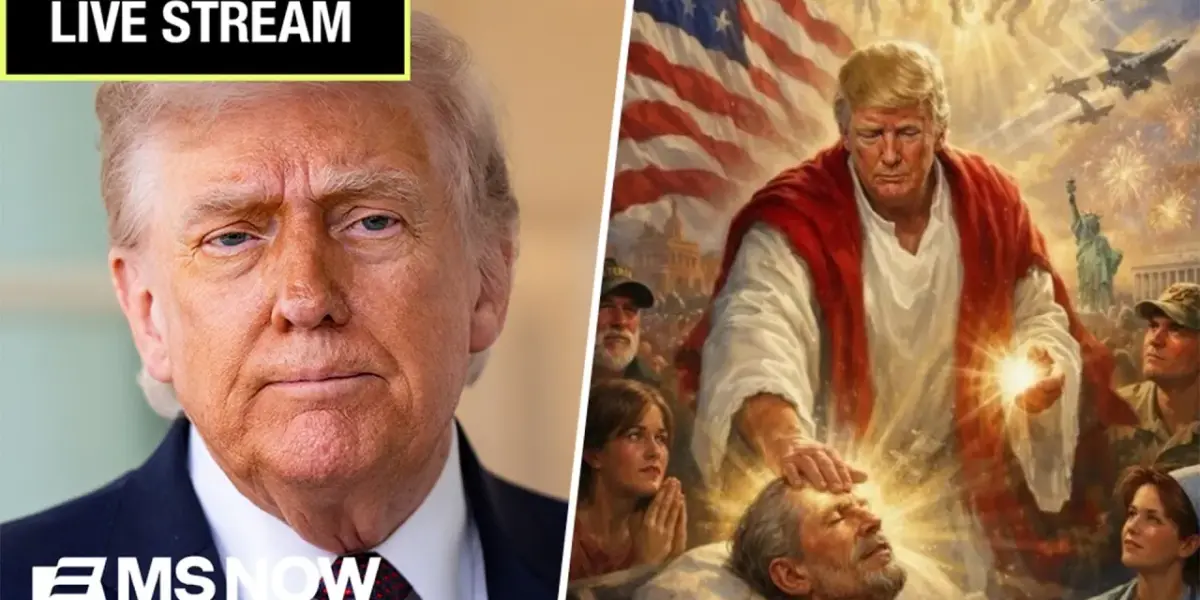
The White House held a press briefing addressing public backlash over a controversial AI-generated image of Donald Trump as Jesus Christ. The incident highlights growing concerns about the use of artificial intelligence in political messaging and the spread of misinformation. Officials reiterated the administration's commitment to combating AI misuse and promoting transparency.

White House Addresses AI Jesus Controversy
The White House held a press briefing on Wednesday amid significant public backlash over a social media post by former President Donald Trump. The post featured an artificial intelligence-generated image depicting Trump as Jesus Christ. This controversial image sparked widespread criticism and concern, prompting the administration to respond to questions about the use of AI in political messaging.
The briefing, which was broadcast live, focused on various administration priorities. However, reporters quickly turned their attention to the fallout from Trump’s post.
Press Secretary Karine Jean-Pierre fielded numerous questions regarding the administration’s stance on such AI-generated content. The incident highlights growing anxieties about the spread of misinformation and the ethical implications of advanced AI tools in politics.
AI’s Growing Role in Politics
The use of artificial intelligence in political campaigns and communication has become increasingly sophisticated. AI can generate realistic images, videos, and text that can be used to influence public opinion.
This technology allows for the rapid creation of content that can mimic real events or portray candidates in specific, often manipulated, ways. The Trump “AI Jesus” image is a striking example of how AI can be employed for provocative political statements.
Experts have warned for years about the potential for AI to create deepfakes and spread false narratives. These tools can be used to generate content that is difficult to distinguish from reality.
This makes it harder for voters to discern truth from fiction, potentially undermining democratic processes. The rapid advancement of AI technology presents a significant challenge for regulators and the public alike.
Public Reaction and Concerns
The reaction to Trump’s AI-generated image was swift and largely negative across the political spectrum. Many viewed the post as blasphemous and inappropriate, regardless of political affiliation.
Critics argued that using religious imagery in this manner is disrespectful and exploits deeply held beliefs for political gain. The image quickly went viral, fueling discussions about the boundaries of political discourse.
Social media platforms faced renewed pressure to address the spread of AI-generated misinformation. The incident raised questions about content moderation policies and the responsibility of platforms in curbing the dissemination of harmful or misleading AI content. The debate over AI’s impact on truth and public trust continues to intensify.
White House Response and Broader Implications
During the press briefing, Press Secretary Jean-Pierre stated that the White House was aware of the post. While not directly condemning Trump’s specific actions, she emphasized the administration’s commitment to combating misinformation.
She reiterated concerns about the misuse of AI and the importance of transparency in political advertising and content creation. The administration has previously voiced support for measures to ensure AI is developed and used responsibly.
The incident is a clear reminder of the challenges posed by AI today. It highlights the need for greater public awareness and media literacy to help citizens critically evaluate the content they encounter online. The ethical considerations surrounding AI-generated political content are complex and require ongoing discussion among policymakers, technology developers, and the public.
Looking Ahead
As AI technology continues to evolve, its influence on political communication is likely to grow. Future elections may see even more sophisticated AI-driven campaigns.
This makes the need for clear guidelines and safeguards more urgent than ever. The White House and other governing bodies will likely face increasing pressure to address these issues.
The public discourse surrounding the “AI Jesus” post is just one example of the broader societal questions AI is raising. Future developments will involve how to regulate AI, ensure its ethical use, and protect democratic integrity from its potential misuse. The conversation about AI’s role in our lives is far from over.
Source: LIVE: White House holds press briefing amid backlash over Trump's AI Jesus post (YouTube)

Related Articles
Thoma Bravo Bets Big on AI with Google Cloud Partnership
Thoma Bravo is partnering with Google Cloud in a $2 billion, five-year deal to integrate Google's Gemini AI platform into its software portfolio. Founder Orlando Bravo sees this as an "unbelievable" opportunity to expand market reach, emphasizing a customer-centric approach to AI adoption. The firm remains disciplined in its acquisition strategy despite private credit market jitters.

Maddow: Trump Aims to Humiliate Vance into Quitting
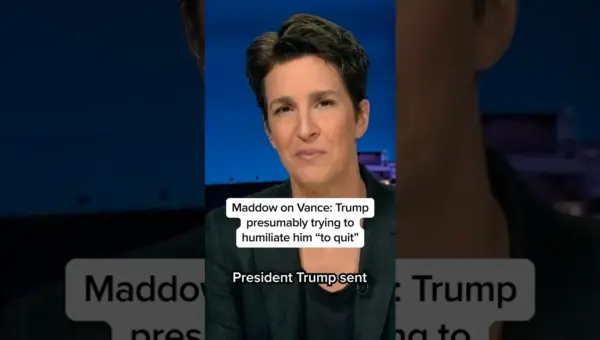
Rachel Maddow suggested on MSNBC that Donald Trump may be intentionally trying to humiliate Vice President JD Vance. Maddow believes Trump's actions could be aimed at pushing Vance to resign. This perspective follows recent setbacks experienced by Vance, highlighting a potential strategy by Trump.

Trump’s Jesus Post Cracks Christian Support Base
Donald Trump's AI image of himself as Jesus Christ has sparked debate, with some suggesting he may be the Antichrist. Historian Kristen Dum analyzes this event, noting a potential crack in his Christian support base despite past controversies. The incident highlights hypocrisy and divisions within the religious right, particularly between Christian nationalists and Catholics.