Iran War Boosts Rubio’s Profile Amid 2028 Presidential Race
As the US engages in military action against Iran, Secretary of State Marco Rubio's profile has risen, fueling 2028 presidential speculation. Former President Trump's fundraising poll highlights his focus on succession, while JD Vance remains a strong contender. The duration of the Iran conflict and its impact on public opinion will be key factors.

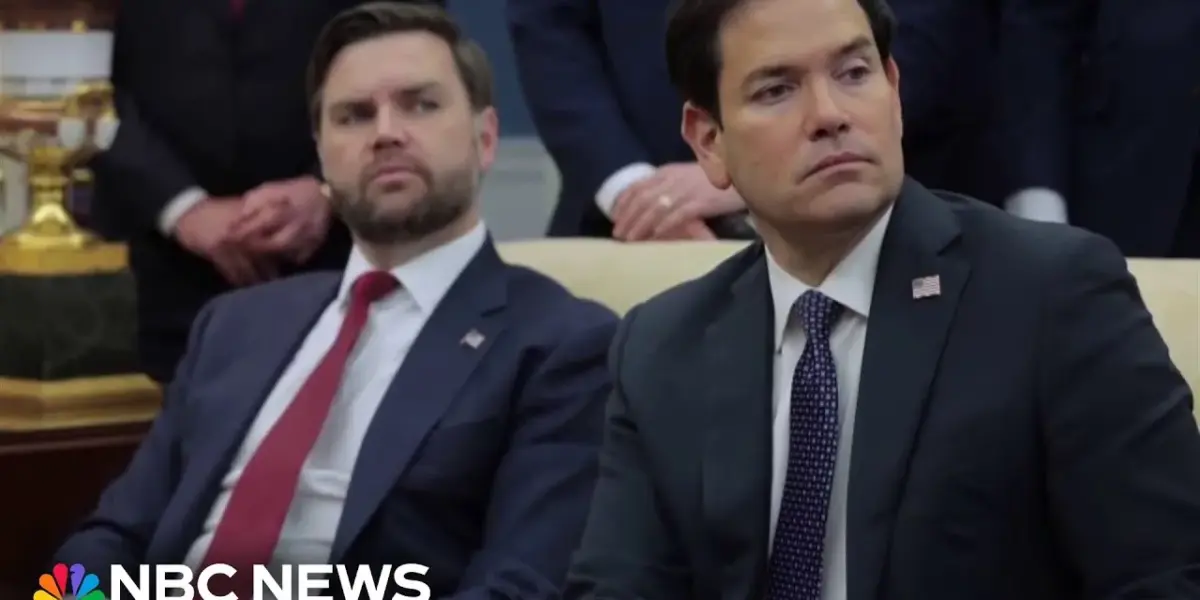
Rubio Emerges as Key Foreign Policy Voice in Iran Conflict
As the United States engages in military action against Iran, Secretary of State Marco Rubio’s public profile has significantly risen, sparking speculation about his potential role in the 2028 presidential election. The ongoing conflict has placed Rubio, the administration’s chief diplomat, at the forefront of foreign policy discussions, potentially positioning him as a leading contender for the Republican nomination, even as former President Donald Trump appears to be assessing his potential successors.
Trump’s Strategic Maneuvering and 2028 Contenders
In a telling display of political calculation, former President Trump reportedly polled a room at a fundraiser just hours after the initial strikes against Iran, inquiring about his preferred choice for the 2028 presidential race. This action, occurring amidst a significant international crisis, underscores Trump’s consistent tendency to foster internal party dynamics and leverage tension, a strategy NBC Senior National Politics Reporter Matt Dixon described as indicative of his leadership style. “I think he likes a bit of tension.
The ‘You’re Fired’ [mentality]. I think we have seen a history of him throughout his two terms in office, where a little staff tension is something that he likes,” Dixon stated.
The current geopolitical climate appears to be benefiting Marco Rubio, who, as Secretary of State, is naturally elevated due to his role in managing foreign affairs. However, the 2028 landscape is far from settled. JD Vance currently leads in most polling, suggesting a competitive dynamic is emerging among potential Republican candidates.
“So Marco Rubio is clearly having a moment. He’s Secretary of State, he’s the foreign policy guy. And I think that’s going to naturally elevate him a bit.
JD Vance leads in most of the polling. So there is definitely a horse race dynamic that’s starting to shape up,” Dixon observed.
Navigating the MAGA Base: Unity and Division
The evolving political landscape raises questions about the unity of the MAGA base and its potential alignment with different candidates. Dixon suggests that while a core group of Trump’s staunchest supporters will likely follow his endorsements, a broader segment of Republicans may consider other factors. “I think it’s important moving forward that we define the MAGA base.
Right. There’s a shrinking part of the Republican Party that identifies as that MAGA base.
I think among those true believers, President Trump’s base, President Trump’s sort of core supporters, they’re going to go with whoever he says they should go with. But I think from some degree, Marco Rubio is a very good political talent, been in public life as entire career that, you know, there’s there’s going to be a real conversation to be had there about MAGA folks who are going to do what Trump says versus Republicans who maybe have a different view of things,” he explained.
Public Opinion and the Impact of Conflict Duration
Recent polling indicates a strong base of support within the Republican party for military action against Iran. An NBC News poll revealed that 90% of self-identified MAGA Republicans support U.S. military intervention.
However, the long-term implications of such support, particularly if the conflict with Iran escalates or endures, remain uncertain. “I think when we’ve done some reporting on this as well, I think the the length of what happens in Iran, how many service members potentially die, unfortunately, is going to do a lot to shape that if it’s quick or in or out, that I think is going to be a significantly different thing than if this goes on for months or whatever the duration might be,” Dixon commented.
Vice President’s Subdued Response
In contrast to Rubio’s elevated visibility, the Vice President has maintained a lower public profile during the Iran crisis. This subdued presence has fueled speculation about his level of support for the military operation, with perceptions suggesting he may be less enthusiastic than President Trump. The Vice President’s team has not offered extensive commentary, but his recent social media silence for several days, which is unusual for him, has been noted.
“I think the general perception is that Vice President Vance isn’t as supportive of the the operation the war in Iran is is President Trump is. And I think there’s some intentionality to the idea. He disappeared on social media for a few days, which is much different than than is normal for him,” Dixon observed.
Looking Ahead: A Shifting Political Landscape
The unfolding events in Iran and their impact on the domestic political scene are likely to continue shaping the contours of the 2028 presidential race. As Marco Rubio solidifies his position as a key foreign policy figure, and the dynamics between potential candidates like JD Vance are tested, the Republican party faces a period of significant internal deliberation. The duration and outcome of the conflict, coupled with former President Trump’s eventual endorsement, will be crucial factors in determining the eventual nominee.
Source: Iran war elevates Marco Rubio's profile amid 2028 speculation (YouTube)

Related Articles

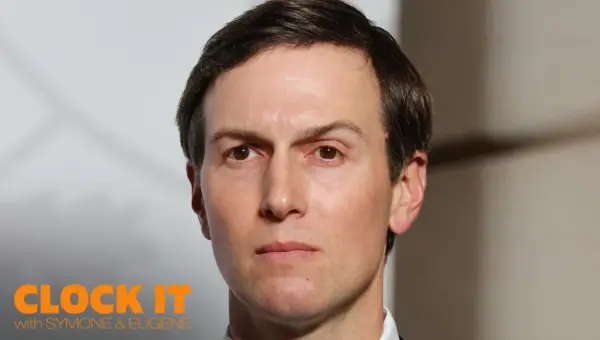
White House In Chaos: Trump’s Team Loses Grip
Recent events reveal significant disarray within the White House, marked by conflicting statements and a perceived loss of control. Simultaneously, concerns mount over immigration policy, the influence of billionaires on media, and the rising costs of war, all while proposed budgets heavily favor military spending over domestic programs.
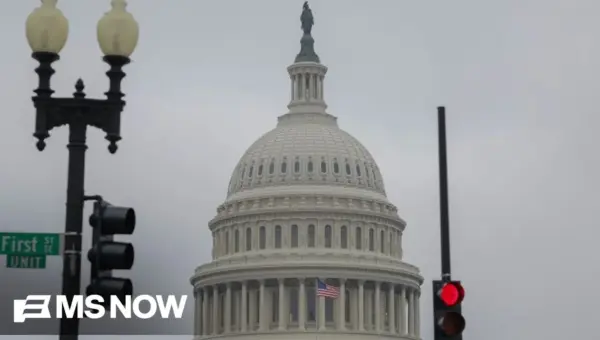
Democrats Lead GOP by 6 Points in Key Districts: Poll
New polling from The Cook Political Report shows Democrats leading Republicans by six points in crucial battleground districts. While Democrats hold an advantage on most issues, concerns over the economy and cost of living are strong, with Donald Trump leading on blame for high prices. Experts suggest voters are fatigued and focused on tangible economic concerns.
Virginia Vote Exposes GOP Hypocrisy on Gerrymandering
Virginia's recent vote to redraw electoral maps has ignited a fierce debate, exposing Republican hypocrisy on gerrymandering. While GOP leaders decry the move as a "power grab," past actions reveal a willingness to use the same tactics when they benefit the party.