Ukraine Offers Drone Defense Expertise Amid Global Escalation
Ukraine is now offering its hard-won expertise in countering drone attacks to nations facing similar threats, a significant shift amidst global escalations. As the Kremlin issues dire warnings, European leaders reaffirm unwavering support for Kyiv, while economic and geopolitical landscapes are reshaped by regional conflicts and shifting energy dependencies.

Ukraine Offers Drone Defense Expertise Amid Global Escalation
In a significant geopolitical shift, Ukraine, once a recipient of international aid for its air defense needs, is now being sought after by multiple nations for its hard-won expertise in countering drone attacks. The escalating conflict around Iran has created a “perfect storm” scenario, prompting global concern and a surprising turn of events where Ukraine’s experience in repelling Russian aerial assaults is becoming a valuable commodity.
Kremlin’s Mixed Signals on Deescalation
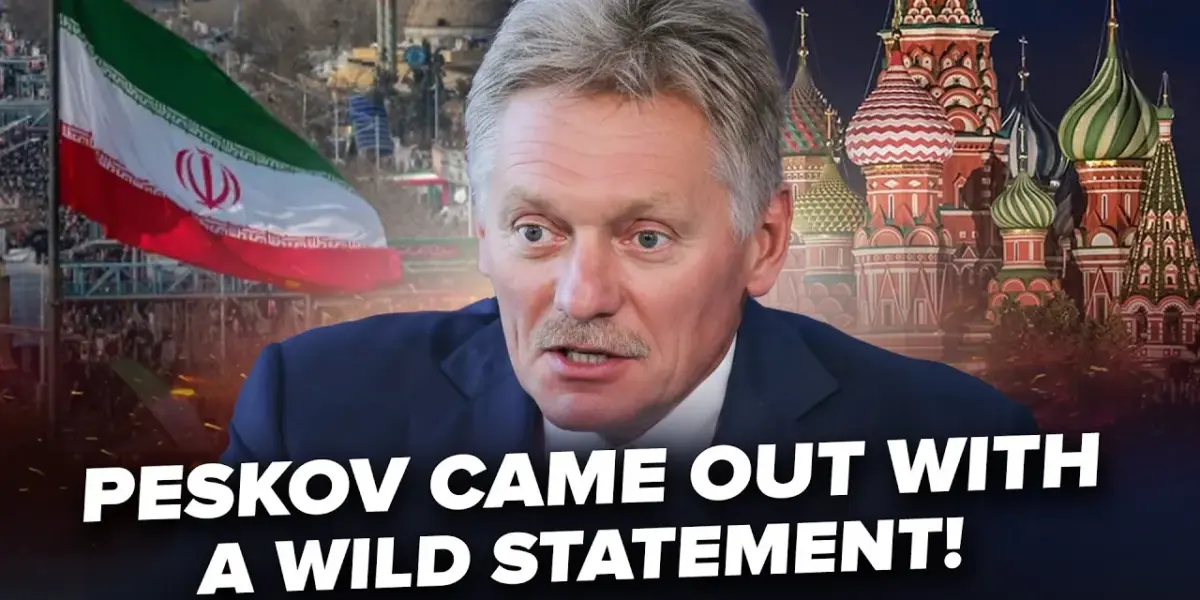
The Kremlin has issued stark warnings about the global situation, with spokesman Dmitri Peskov suggesting the world might be heading towards catastrophe due to the escalating conflict involving Iran. Simultaneously, Moscow has publicly called for deescalation. Russian Foreign Minister Sergey Lavrov engaged in talks with the UAE Foreign Minister, where both expressed deep concern and urged immediate steps to reduce regional military tensions.
They also emphasized the need to halt attacks causing civilian casualties and infrastructure damage in the Gulf States and Iran. This stance from Russia, a nation engaged in a large-scale war in Europe, has been met with cynicism by observers.
Ukraine Steps Up as a Provider of Defense Solutions
Ukrainian President Volodymyr Zelensky revealed that Ukraine has received 11 requests from partner countries, including those neighboring Iran, European states, and the United States, seeking assistance in countering drone attacks. Many of these nations are now facing threats similar to those Ukraine has endured for years, particularly from Iranian-made drones and missiles. Ukraine has already begun responding to some of these requests, offering practical support and specific solutions.
“For four years, Russia has been attacking Ukrainian cities with Shahed drones, forcing Ukraine to build one of the most experienced anti-drone defenses in the world. Now that battlefield experience, from interceptor drones to electronic warfare and air defense tactics, is something other countries suddenly want to learn.”
The irony is palpable: the country that once pleaded for help to defend its skies is now being asked to help defend the skies of others. Ukraine’s extensive experience in developing anti-drone defenses, honed over years of repelling Russian attacks, has positioned it as a crucial resource in the current global security landscape.
Hungary and Slovakia’s Shifting Energy Dependence
The narrative that Hungary and Slovakia are entirely dependent on Russian oil is being challenged by emerging realities. Tankers carrying non-Russian crude are now arriving in Croatia, with the oil then transported via the Janov pipeline to Hungary and Slovakia.
While this alternative is reportedly about 60% more expensive than Russian oil, its availability undermines the political argument that no other options exist. This development could impact Hungary’s traditional use of energy dependence as leverage to slow or block European support for Ukraine.
EU’s Unwavering Support for Ukraine
Despite political maneuvering, particularly from Hungary, European Commission President Ursula von der Leyen has affirmed that the European Union will deliver the promised €90 billion loan package for Ukraine in 2026 and 2027. She emphasized that Europe’s credibility and security are at stake, and supporting Ukraine has evolved from an act of solidarity to a matter of European security.
Iran’s Role in Global Security Crisis
European officials are increasingly vocal about Iran’s involvement in escalating regional conflicts, noting that Iranian missiles and drones are now a factor in wars beyond the Middle East, including the conflict in Ukraine. The widespread use of Iranian drones against Ukrainian cities and infrastructure has transformed a seemingly regional issue into a broader global security crisis. The growing military cooperation between Moscow and Tehran is a significant concern for European leaders.
Disparities in Global Military Spending
A stark comparison has emerged regarding global military spending priorities. In the first week of the conflict in the Gulf region, approximately $40 billion was spent on military operations.
This figure is roughly equivalent to the total amount European countries spend annually in supporting Ukraine. Finland’s President Alexander Stubb highlighted this disparity, suggesting that if Ukraine had received the same level of air defense support as Israel did in the initial week of the Middle East conflict, the war in Ukraine might have concluded much sooner.
Russia’s Declining Arms Exports and Ukraine’s Import Dominance
A report by the Stockholm International Peace Research Institute (SIPRI) indicates a dramatic collapse in Russian arms exports, falling by 64% over the past five years. Moscow’s share of the global arms market has shrunk from 21% to less than 7%, making it the only top-10 exporter with sharply declining sales. Russia now ranks third behind the United States and France, with its remaining major buyers being India, China, and Belarus.
Conversely, Ukraine is now the world’s largest arms importer, set to receive nearly 10% of global arms imports between 2021 and 2025. Weapons for Ukraine are sourced from at least 36 countries, with the U.S., Germany, and Poland being key suppliers. This dynamic highlights a reversal in the global arms market, with the aggressor losing customers and the defending nation becoming the focal point of international military support.
Rising Oil Prices and Economic Implications
The escalation of conflict in the Middle East has sent global oil markets soaring, with warnings that prices could approach record levels if the conflict intensifies. Disruptions to shipping routes in the Persian Gulf, particularly the Strait of Hormuz, threaten vital energy supplies.
This could lead to increased fuel costs, renewed inflation, and global economic instability. Paradoxically, higher oil prices could also boost Russia’s revenues, potentially providing more resources to finance its war in Ukraine.
Allegations of Mistreatment of Ukrainian Detainees in Hungary
Ukraine’s Foreign Ministry has raised serious concerns regarding the detention of Ukrainian transit workers in Hungary. According to Ukrainian officials, the individuals, who had witness status, were allegedly transported blindfolded and in handcuffs, with their belongings confiscated.
They were reportedly interrogated in Russian, denied access to lawyers, and prevented from meeting Ukrainian consular officials. Ukraine is demanding accountability from Hungary, citing potential violations of international law.
Russia’s Return to Paralympic Games Sparks Controversy
Russia’s anthem was heard at the Paralympic Games for the first time since 2014, raising controversy amidst the ongoing war in Ukraine. Despite sanctions and a neutral status for athletes, Russia’s symbols are reappearing in international sports arenas, which many observers view as a blow to the credibility of global competitions.
Looking Ahead
As global tensions rise and geopolitical alignments shift, the world watches to see how these interconnected crises will unfold. Ukraine’s new role as a provider of defense expertise, the EU’s commitment to supporting Kyiv, and the volatile energy markets present a complex and evolving landscape. The coming weeks will be critical in assessing the impact of these developments on the war in Ukraine and broader international security.
Source: ⚡️Peskov's words stun the world! Kremlin statement goes viral. Putin gives war orders (YouTube)

Related Articles

Iran’s Aggression Escalates: Strait of Hormuz Under Siege
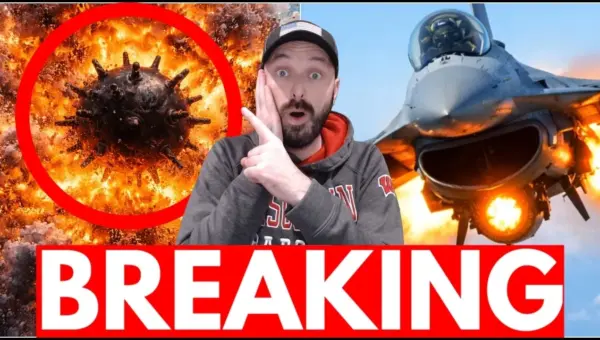
Iranian forces have seized commercial ships in the Strait of Hormuz, escalating regional tensions. U.S. fighter jets have intercepted Iranian drones over Iraq, while reports indicate Iran is mining the vital waterway. The situation remains volatile with no clear path to de-escalation.
China Bets on US-Iran Conflict to Boost Global Power
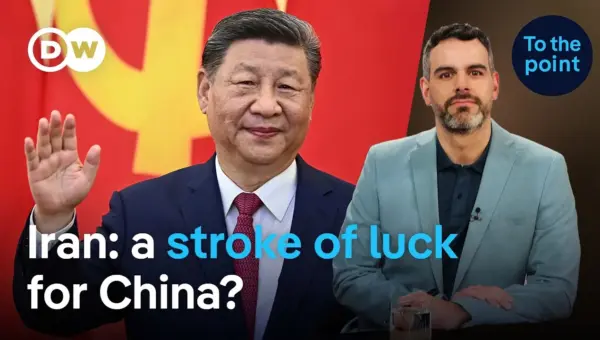
While the US-Iran conflict has brought losses, China is strategically gaining ground. Beijing is expanding its global reach, gaining military insights, and positioning itself as a mediator. Despite official neutrality, economic ties and technological advancements further bolster China's growing influence on the world stage.

US Tightens Grip on Iran, China Oil Flow
The U.S. is maintaining pressure on Iran through oil blockades, impacting global energy markets and highlighting China's energy vulnerabilities. Congressman Carlos Gimenez discussed the strategic importance of these actions and the need for increased defense spending to counter China. Domestic debates over border security funding and Cuba policy also continue.