Wolverine’s Wild Ride: Origins Flops, The Wolverine Soars
A deep dive into Hugh Jackman's early Wolverine films reveals a stark contrast: 2009's "X-Men Origins: Wolverine" is a messy, overstuffed origin story, while 2013's "The Wolverine" is a focused, critically acclaimed masterpiece.

Wolverine’s Wild Ride: Origins Flops, The Wolverine Soars
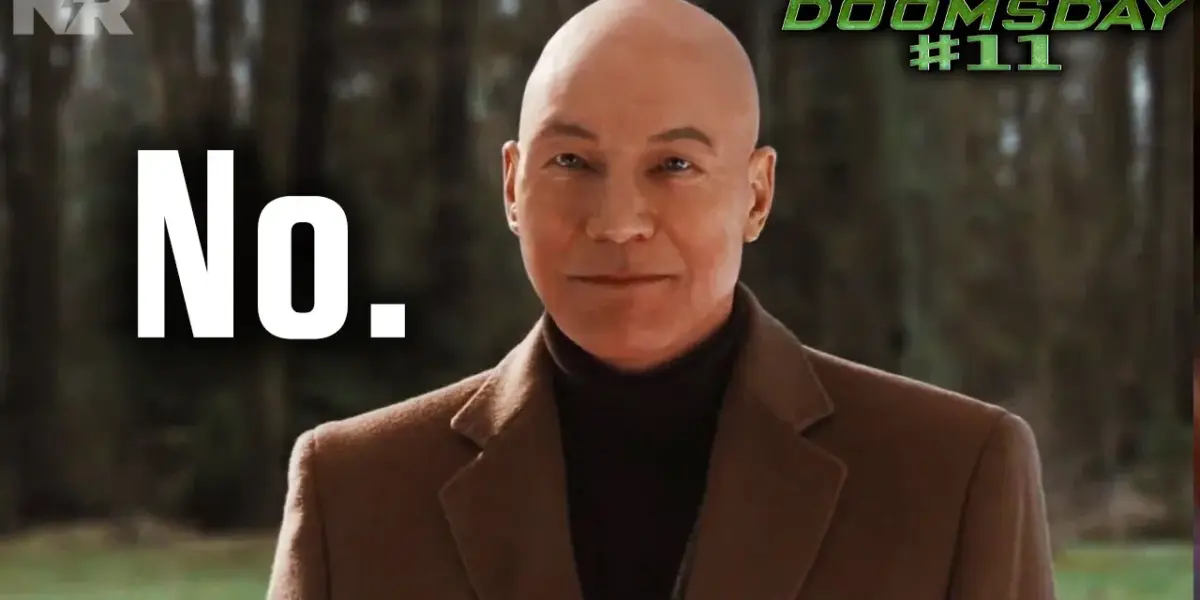
Before the multiverse expands and familiar faces return to the MCU, fans are taking a deep dive into the Fox X-Men universe, specifically revisiting the early solo adventures of its most iconic mutant: Wolverine. In the latest episode of New Rockstars’ “Road to Doomsday” series, host Eric Boss, joined by a guest, dissects 2009’s X-Men Origins: Wolverine and its critically acclaimed successor, 2013’s The Wolverine. The retrospective offers a stark contrast between a film bogged down by its ambition and one that found its footing by focusing on its titular character.
A Messy Origin Story: X-Men Origins: Wolverine (2009)
Released on May 1, 2009, X-Men Origins: Wolverine aimed to flesh out the backstory of Hugh Jackman’s gruff mutant. Directed by Gavin Hood and written by David Benioff (yes, *that* David Benioff of Game of Thrones fame) and Skip Woods, the film attempted to cram an overwhelming amount of mutant lore and character introductions into a single narrative. The result, according to the hosts, was a convoluted mess.
The film opens in 1845 Canada, introducing a young James Howlett (played by a surprisingly cast Troy Savon) whose mutant healing factor and bone claws manifest after witnessing a traumatic event. This leads to the revelation that his “father” was murdered by Thomas Logan, who turns out to be James’s biological father, and Victor Creed (Liev Schreiber), the groundskeeper, is his half-brother. This complex, almost soap-opera-esque beginning immediately sets a tone of overstuffing the narrative.
What follows is a montage depicting Logan and Sabretooth fighting through various American wars, from the Civil War to Vietnam. While visually impressive in parts, the hosts found the opening montage and the initial character setup to be less compelling than the eventual action sequences.
The film then introduces “Team X,” a black ops unit led by Major William Stryker (Danny Huston), featuring a slew of mutants like Wade Wilson (Ryan Reynolds), Blob (Dominic Monaghan), Agent Zero, and Wraith (will.i.am). The sheer volume of characters, many of whom felt shoehorned in, proved to be a major point of criticism.
“They had way too many characters. It had way too much going on and I was like, there’s too much to keep track of,” one host lamented. The portrayal of Ryan Reynolds’ Deadpool, in particular, was singled out as a significant misstep, a “big mistake” that felt disconnected from the character’s comic origins.
The plot further complicates itself with Stryker’s betrayal, Logan’s adamantium skeleton bonding, and a memory wipe. The film also shoehorns in origin snippets for other X-Men characters, including Scott Summers and even a confusingly presented version of Emma Frost (Tahyna MacManus), who is presented as younger than her potential timeline in other X-Men films. This scattershot approach to world-building left the audience feeling disoriented.
“There was not a clear vision for this project. And it seems like they just kept adding and adding,” the host observed. The climax, featuring a “Weapon XI” (a poorly realized Deadpool), and a fight atop a cooling tower, was described as absurd and cheesy, with CGI that has not aged well.
Despite its flaws, the film did feature a strong performance from Hugh Jackman, who the hosts agreed was “down for the assignment.” The movie’s box office performance was respectable, grossing over $373 million worldwide, but critical reception was largely negative, with many critics citing the convoluted plot and character mismanagement.
A Focused and Superior Sequel: The Wolverine (2013)
In stark contrast, 2013’s The Wolverine, directed by James Mangold, is lauded as a significant improvement. Released on July 26, 2013, the film, which grossed over $414 million worldwide, is praised for its focused narrative, character development, and tonal consistency. Unlike its predecessor, The Wolverine strips away the excess, centering on Logan’s internal struggles and his journey to Japan.
“The pacing’s great. I think it’s well written. The twists are honestly amazing.
I love the family dynamic,” one host enthused, highlighting the film’s strengths. The movie digs into Logan’s pain and his attempts to live a normal life, haunted by the deaths he’s responsible for.
The narrative follows Logan to Japan, where he becomes entangled with the Yakuza and a powerful family heir, Mariko Yashida. The film masterfully balances intense action sequences, including a memorable bullet train fight, with moments of quiet introspection. The introduction of Viper (Svetlana Khodchenkova) adds a layer of intrigue and danger, while the exploration of Logan’s vulnerability and his fight against his own inner demons resonated deeply with audiences and critics alike.
“It’s really really good,” was the consensus regarding Mangold’s direction. The film’s critical reception was significantly more positive than Origins, with many praising Jackman’s performance, the mature storytelling, and the respectful adaptation of certain Wolverine comic storylines.
The MCU’s Shadow and Future Implications
The discussion also touched upon the evolving landscape of Marvel filmmaking. Both X-Men Origins: Wolverine and The Wolverine were produced during Marvel Studios’ early phases, before the MCU’s dominance was fully established. The hosts noted how even The Wolverine, despite its independent spirit, felt influenced by the MCU’s trajectory, particularly in its action sequences.
As the “Road to Doomsday” series progresses, the focus will shift to MCU Phase 1 films. The revisit to these early Wolverine movies is a poignant reminder of a different era in superhero cinema, one where studios were still experimenting with shared universes and solo character spins. While X-Men Origins: Wolverine is widely regarded as a misstep, The Wolverine stands as proof of how a focused vision and a strong central performance can elevate a character’s cinematic journey, leaving fans eager for what Logan’s future, potentially within the MCU, might hold.
Source: X-MEN ORIGINS + WOLVERINE REVISITED (2009 – 2013) | Road to Doomsday Episode 11 (YouTube)

Related Articles
Chilling Trophies: 10 Serial Killers’ Gruesome Souvenirs
Serial killers often collect disturbing mementos, or 'trophies,' from their victims. This article details ten of the most gruesome examples, including underwear, shoes, human remains, and even heads, revealing the chilling depths of their depravity and the psychological impact on investigations.
Deleted Scenes Too Dark, Weird for the Big Screen
Many films feature scenes cut for being too dark, disturbing, or out of place. From Zootopia's 'taming parties' to Terminator 2's too-happy ending, these moments reveal the challenges of filmmaking. These deleted scenes highlight why some ideas are best left on the cutting room floor.
TV News Titans’ Downfalls: Scandals That Rocked the Airwaves
From Geraldo Rivera's infamous vault discovery to Matt Lauer's downfall amid #MeToo allegations, this article explores the shocking scandals that ended the careers of prominent American TV news figures. Discover how on-air gaffes, workplace misconduct, and controversial remarks led to the public disgrace and professional ruin of some of the industry's biggest names.