Trump’s Iran Strategy: Regime Change or Missile Control?
Former Ambassador Paula Diaz-Lanzi dissects the Trump administration's strategic intent regarding Iran, arguing that while regime change may be a consequence, the primary goals focus on nuclear capabilities, ballistic missiles, and proxies. The analysis delves into the risks of action versus inaction, shifting alliances, and the long-term implications of this assertive foreign policy.

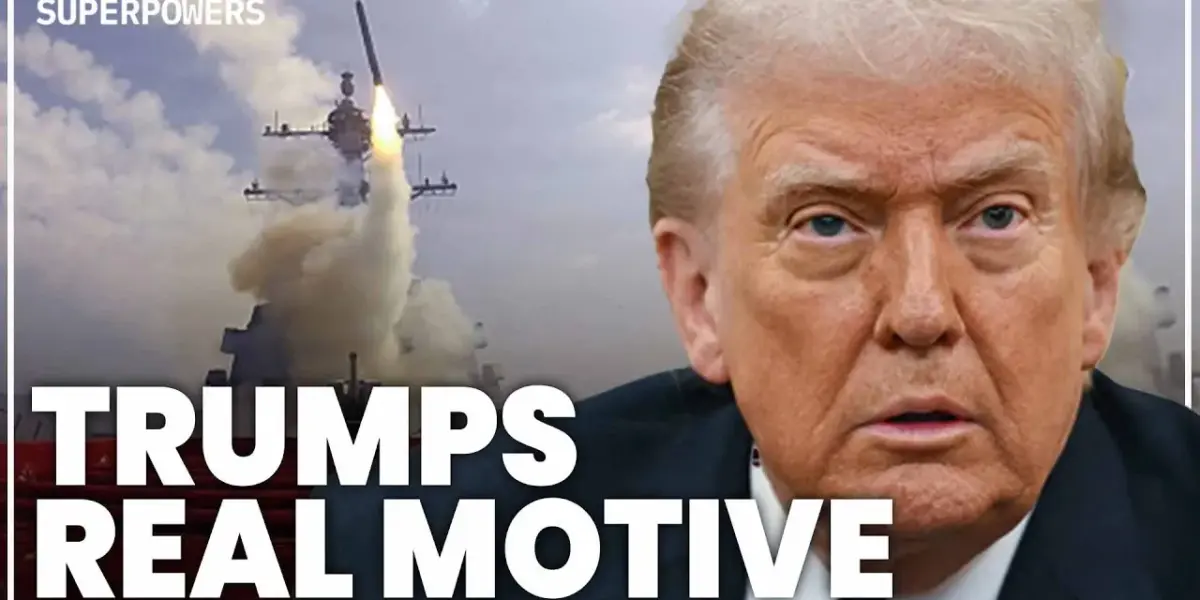
Trump’s Iran Strategy: Regime Change or Missile Control?
In a recent discussion on global security, former US Ambassador to three presidencies, Paula Diaz-Lanzi, offered a nuanced perspective on the motivations behind potential US military actions against Iran, particularly during the Trump administration. The conversation, hosted by James Heappey, delved into whether military interventions are primarily aimed at regime change or specific strategic objectives like dismantling Iran’s ballistic missile program and curbing its support for proxy groups. Ambassador Diaz-Lanzi argued that while regime change can be a *consequence* of military action, it is rarely the primary objective, a sentiment consistently echoed by military officials.
The Three-Pronged Focus: Nuclear, Missiles, and Proxies
According to Ambassador Diaz-Lanzi, US policy towards Iran has historically, and in the context of the Trump administration, maintained a consistent three-pronged focus:
- Preventing Iran from enriching uranium and developing nuclear weapons.
- Dismantling Iran’s ballistic missile capacity.
- Addressing Iran’s support for regional proxies like Hezbollah and Hamas.
These objectives, she explained, have been long-standing concerns for the international community, particularly for allies like Israel, which have faced direct threats from Iran’s nuclear ambitions, missile programs, and proxy activities. The ambassador highlighted that the situation is not new, with decades of discussions, failed negotiations, and escalating tensions preceding any significant military considerations. She pointed to the dialogue between Israeli Prime Minister Netanyahu and President Trump as evidence that these concerns were actively discussed and not sprung upon the administration suddenly.
The Role of Regime Change
The question of regime change as a primary goal was directly addressed. Ambassador Diaz-Lanzi clarified that while military actions *can* create conditions conducive to regime change, it is not the stated primary objective. She stated, “yes, one hears the response yes for regime change yes for other kinds of um steps that would be taken that would be a result of the military action in this case but I think there’s been real consistency certainly from the military end and I think when you hear most on the military side engaged and speaking to this they will say that and then they will also make the comment I just did which is that yes uh uh there uh uh the conditions can be in fact provided for regime change but that is not the primary goal and objective here.” This distinction is crucial, suggesting that the immediate military aims are more tactical and strategic, with regime change being a potential, albeit significant, downstream effect.
Historical Context and Justification
Drawing on her extensive experience in national security roles under Presidents George W. Bush, George H.W. Bush, and Reagan, Ambassador Diaz-Lanzi offered historical context.
She drew a parallel to the interventions in Iraq, acknowledging the complexities and potential for instability. However, she asserted that the actions against Iran, in her view, were justified.
Her reasoning centered on the persistent nature of the threat, the numerous failed attempts at dialogue and negotiation, and the direct security concerns posed by Iran’s nuclear program and regional destabilization efforts. The ambassador emphasized that the international community, and specifically Israel, had long signaled its desire for Iran to cease its nuclear enrichment and ballistic missile development, as well as its support for destabilizing proxies.
Risks of Action vs. Inaction
The discussion acknowledged the inherent risks associated with any military engagement. Heappey, a former soldier, voiced concerns about the potential for protracted instability, drawing from his experience in Iraq. Ambassador Diaz-Lanzi countered by highlighting the tremendous risks associated with *doing nothing*.
She pointed to ongoing attacks and escalations involving Iran and its proxies, such as Hezbollah in Lebanon, as evidence that inaction also carries significant consequences. The military assessments, she noted, were focused on two fundamental factors: degrading Iran’s military capabilities and protecting US and allied bases in the region. The ongoing campaign, described as phased, aims to achieve these objectives.
Public Opinion and Strategic Patience
Addressing the duration and public appetite for such actions, the ambassador discussed public sentiment in the US. She noted that a significant majority of Americans express deep concern about Iran acquiring nuclear weapons and about its sponsorship of terrorism and proxy activities. This underlying concern, she suggested, provides a degree of public support for decisive action.
However, she also acknowledged that polls reveal concurrent concerns about the duration of the operation and its broader impact, creating a complex public opinion landscape. President Trump’s stance, as relayed by the ambassador, is that the operation will continue “as long as it takes,” with military assessments suggesting a timeline of weeks rather than months.
Shifting Alliances and the UN’s Role
A notable point of discussion was the perceived divergence between the US and its traditional allies, particularly the UK, in response to the escalating situation. Both Heappey and Diaz-Lanzi expressed surprise and disappointment at the UK’s tepid response. Ambassador Diaz-Lanzi found it “startling and shocking” that a close ally would offer such limited support.
She also commented on the diminished relevance of the United Nations in contemporary geopolitical crises, contrasting it with the efforts made during the lead-up to the Iraq War. This observation underscores a broader trend of shifting global alliances and a potential re-evaluation of multilateralism in favor of more unilateral or bilateral approaches.
A Consequential Foreign Policy Agenda
The conversation concluded by framing the Trump administration’s foreign policy agenda as potentially one of the most consequential of recent decades. Beyond Iran, the administration was simultaneously addressing issues in Venezuela, seeking to reframe relations with Russia and Europe, and intensifying competition with China.
Ambassador Diaz-Lanzi characterized these as dramatic shifts from traditional approaches, emphasizing a push for burden-sharing within NATO and economic rebalancing through tariffs. She linked these actions to a philosophy of “peace through strength,” a concept she associates with the Reagan administration, suggesting a consistent theme of assertive action to achieve stability and security.
Why This Matters
This analysis is critical for understanding the complexities of US foreign policy in the Middle East. It highlights the tension between stated strategic goals and potential, unstated objectives like regime change. The discussion highlights the long-term nature of the Iran challenge, involving nuclear proliferation, ballistic missile capabilities, and regional proxy warfare.
It clarifies the evolving dynamics of international alliances, the diminished role of multilateral institutions, and the domestic considerations, including public opinion, that shape major foreign policy decisions. The potential for extended military engagement, even if focused on specific objectives, carries significant implications for regional stability and global security.
Implications, Trends, and Future Outlook
The implications of this approach are far-reaching. If the primary goals are indeed to neutralize Iran’s nuclear and missile threats and curb its proxy activities, the strategy suggests a long-term commitment to containment and pressure, potentially through a combination of economic sanctions and targeted military actions. The trend towards unilateralism or a reduced reliance on traditional allies, as observed in the UK’s response, could signal a broader shift in how the US engages with the world, prioritizing its own perceived interests.
The future outlook remains uncertain, hinging on Iran’s reactions, the effectiveness of military and economic measures, and the broader geopolitical landscape. The administration’s assertion of “peace through strength” suggests a willingness to use force or the threat of force to achieve diplomatic and security objectives, a strategy that has historically yielded mixed results.
Source: Eliminating Iran’s Ballistic Missiles and Proxies: Trump’s True Reasons For Striking Iran (YouTube)

Related Articles

Trump Ally Tapped to Lead DOJ Probe Against Ex-CIA Chief Brennan
The Justice Department is investigating former CIA Director John Brennan, a probe now led by Trump loyalist Joseph DeGenova. A lead prosecutor reportedly left the case, citing a lack of evidence for criminal charges against Brennan. Critics argue this investigation weaponizes the Justice Department against political adversaries.

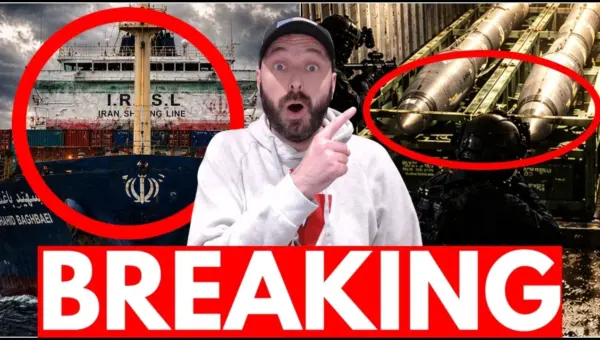
US Seizes Iran Ship, Uncovers Secret Chinese Cargo
The US has seized an Iranian tanker, suspecting it carried secret Chinese cargo for military use. This action occurs alongside increased US military deployments and conflicting reports on Iran-US negotiations. The situation remains tense, with a naval blockade impacting regional trade.

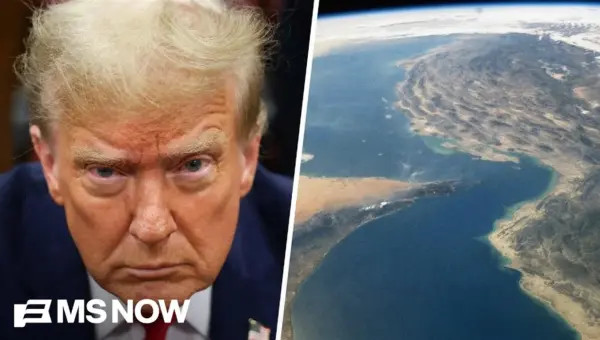
Iran Conflict: Trump’s Desperation Fuels Iranian Confidence
Retired four-star general Barry McCaffrey and Middle East expert Stephen Cook suggest President Trump's approach to Iran has emboldened the nation, making it feel in control of the Strait of Hormuz. This perception, coupled with domestic political pressure on Trump, creates a complex situation for U.S. foreign policy and global economic stability. The experts also raise concerns about the lack of a coherent national security process and the impact on negotiations.