2026 Primaries: Trump’s Iran Stance Dominates Early Debates
MSNBC's Ali Velshi and Stephanie Ruhle dissected the emerging 2026 primary election landscape, emphasizing how Donald Trump's foreign policy on Iran is already a central debate point. The discussion also highlighted the critical role of economic issues like inflation and job stability in shaping candidate platforms and voter concerns.

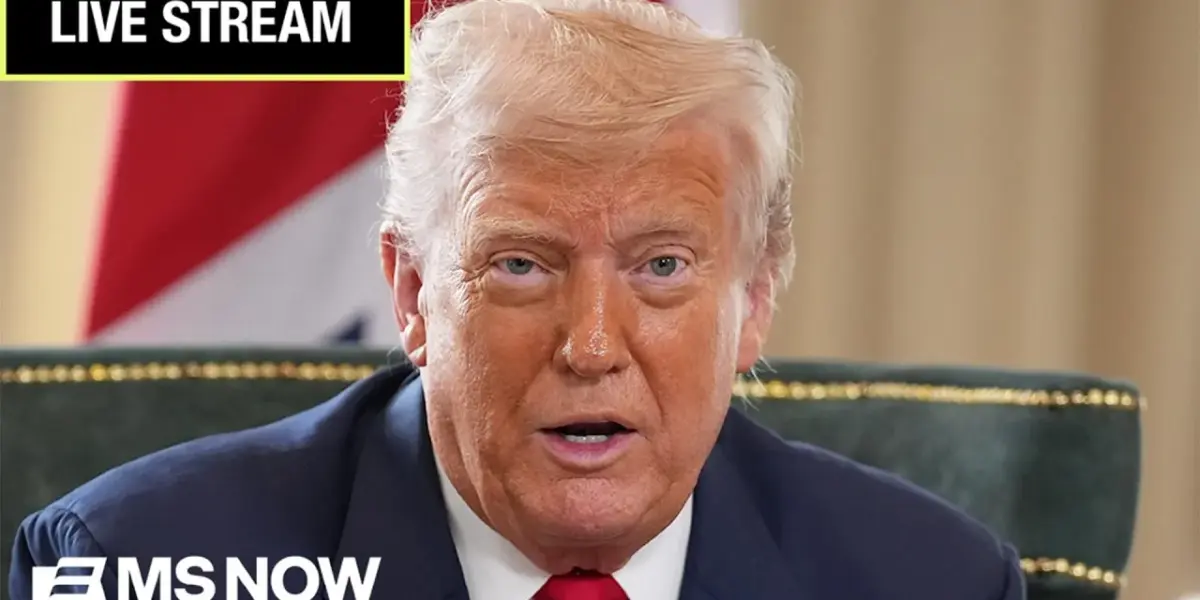
Velshi & Ruhle Analyze 2026 Primary Landscape
In a recent live session, MSNBC’s Ali Velshi and Stephanie Ruhle offered a detailed breakdown of the burgeoning 2026 primary election landscape, highlighting how former President Donald Trump’s foreign policy, particularly his stance on Iran, is already shaping early campaign narratives. The duo addressed viewer questions, providing insights into the complex interplay of business, politics, and the economy that will define the upcoming electoral cycle.
Trump’s Iran Policy: A Central Campaign Theme
A significant portion of the discussion revolved around the potential impact of Trump’s past actions and stated intentions regarding Iran. Velshi and Ruhle noted that while the 2026 primaries are still some time away, the shadow of Trump’s foreign policy decisions, especially his withdrawal from the Iran nuclear deal and subsequent ‘maximum pressure’ campaign, is proving to be a recurring theme. Candidates, both those aligned with and opposed to Trump’s approach, are being forced to articulate their positions on the ongoing tensions in the Middle East.
“We’re seeing a clear divergence in how potential candidates are positioning themselves on Iran,” stated Ruhle during the broadcast. “Some are doubling down on a more aggressive stance, mirroring Trump’s rhetoric, while others are advocating for a return to diplomacy and de-escalation. This isn’t just a foreign policy debate; it’s becoming a litmus test for a candidate’s broader approach to international relations and national security.”
Velshi added, “The economic implications of any conflict or heightened tension with Iran are enormous. Businesses are watching closely, and candidates who can present a coherent and credible plan for navigating these complexities, while also addressing domestic economic concerns, will likely have an advantage.” The hosts emphasized that the candidates’ responses to questions about Iran are not only revealing their foreign policy views but also their economic philosophies and their perceived ability to lead on the global stage.
Economic Factors Influencing Political Discourse
Beyond foreign policy, Velshi and Ruhle delved into the economic issues that are expected to dominate the 2026 election cycle. Inflation, supply chain resilience, and the future of work were identified as key concerns for voters. The hosts discussed how candidates are beginning to formulate their economic platforms, often in response to the economic conditions inherited from the previous administration and the current one.
“Voters are grappling with the cost of living, and any candidate who can offer tangible solutions to everyday economic challenges will resonate,” Ruhle commented. “The question is whether these solutions will be rooted in traditional economic principles or embrace more innovative, perhaps even disruptive, approaches. We’re seeing a push and pull between established economic doctrines and newer ideas, often influenced by the technological shifts and global economic realignments we’ve witnessed.”
Velshi highlighted the importance of understanding the nuances of these economic debates. “It’s not just about inflation numbers; it’s about how those numbers affect household budgets, small businesses, and the overall stability of the economy. Candidates need to demonstrate a deep understanding of these issues and present policies that are both practical and politically viable.”
Audience Engagement and Key Takeaways
The live Q&A segment allowed Velshi and Ruhle to directly address viewer inquiries, offering clarity on complex topics and reinforcing the show’s commitment to engaging with its audience. The questions ranged from specific policy proposals to broader strategic analyses of the political landscape.
“The engagement from our viewers is crucial,” said Velshi. “It helps us understand what issues are most pressing for people and allows us to tailor our analysis accordingly. The questions we received today highlight the public’s deep interest in how foreign policy, particularly concerning Iran, intertwines with domestic economic stability and the upcoming elections.”
Key takeaways from the session included the recognition that the 2026 primaries will likely be characterized by a strong focus on national security and economic pragmatism. Candidates will need to balance assertive foreign policy stances with sound economic management, a delicate act that could define their success on the campaign trail.
Looking Ahead: The Evolving Primary Battlefield
As the political landscape continues to evolve, Velshi and Ruhle’s analysis provides a valuable preview of the issues that will likely dominate the 2026 primary elections. The interplay between Trump’s foreign policy legacy, particularly regarding Iran, and pressing economic concerns will undoubtedly shape the choices voters make. The coming months will reveal how candidates navigate these complex challenges and solidify their positions in what promises to be a closely watched electoral cycle.
Source: Velshi & Ruhle's 2026 primary election BREAKDOWN | Trump's war in Iran | Your questions answered! (YouTube)

Related Articles
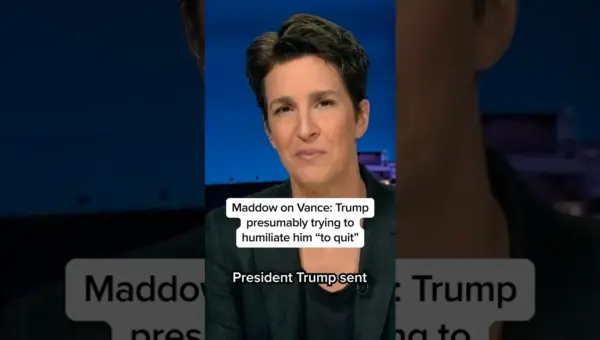
Maddow: Trump Aims to Humiliate Vance into Quitting
Rachel Maddow suggested on MSNBC that Donald Trump may be intentionally trying to humiliate Vice President JD Vance. Maddow believes Trump's actions could be aimed at pushing Vance to resign. This perspective follows recent setbacks experienced by Vance, highlighting a potential strategy by Trump.

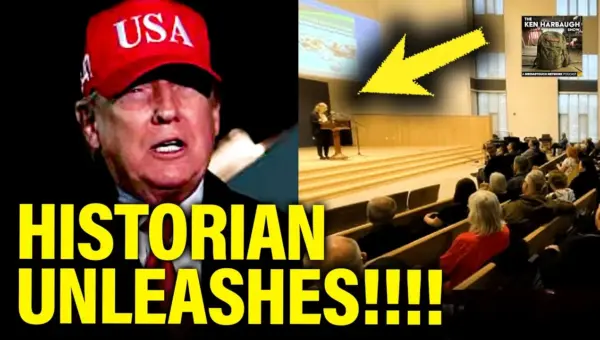
Trump’s Jesus Post Cracks Christian Support Base
Donald Trump's AI image of himself as Jesus Christ has sparked debate, with some suggesting he may be the Antichrist. Historian Kristen Dum analyzes this event, noting a potential crack in his Christian support base despite past controversies. The incident highlights hypocrisy and divisions within the religious right, particularly between Christian nationalists and Catholics.
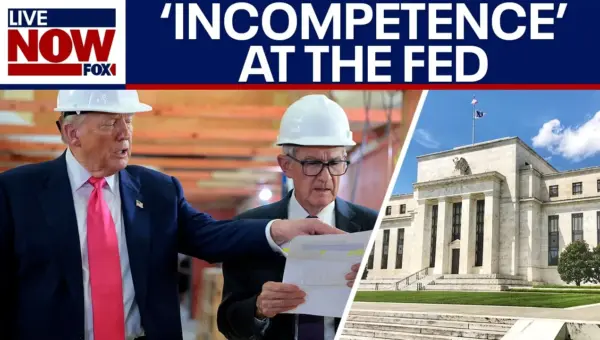
Trump Threatens Fed Chief Powell’s Job Amid Renovation Probe
President Trump has threatened to fire Federal Reserve Chair Jerome Powell if he doesn't leave his post when his term ends, citing disagreements over interest rates and the Fed's performance. The conflict is amplified by a Justice Department probe into Powell's handling of a costly Fed renovation project, which a key Republican senator is using to block a Trump nominee.