US Seizes Iran Ship, Signals Tough Stance on Tehran
The US has seized an Iranian ship tied to China, signaling a tough stance on Tehran. This action, coupled with a naval blockade, aims to curb Iran's regional influence and nuclear ambitions. China's complex role and global ambitions remain a key factor in the ongoing geopolitical struggle.

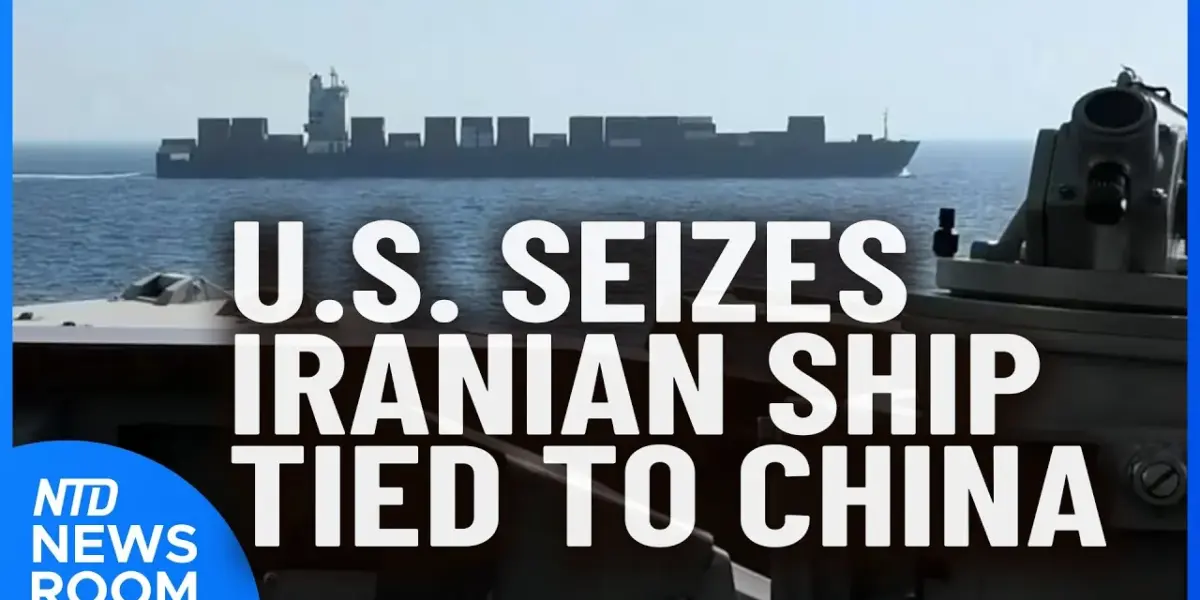
US Seizes Iran Ship, Signals Tough Stance on Tehran
The United States has taken a strong stance against Iran, recently seizing an Iranian-flagged cargo ship in the Gulf of Oman. This action came after the vessel attempted to breach a naval blockade.
US forces issued warnings and eventually disabled the ship’s propulsion system before boarding it. This event highlights the ongoing tensions and the US commitment to enforcing its blockade.
According to analysis of shipping data, the seized vessel has frequently visited Chinese ports. This connection suggests a deeper relationship between Iran and China, particularly concerning Iran’s military programs.
For years, China has been a major buyer of Iranian oil, defying international sanctions. They have also supplied Iran with critical components used in its missile and drone technology.
Iran’s Nuclear Ambitions and Regional Power Play
Discussions about Iran’s nuclear program remain a central issue in international relations. Iran has consistently claimed its uranium enrichment is for energy purposes.
However, enrichment levels have reached up to 60%, far beyond what is needed for civilian power. This level is dangerously close to what’s required for nuclear weapons, leading many to believe Iran seeks regional dominance rather than just energy independence.
Experts suggest that Iran’s pursuit of a nuclear program is not for its people’s energy needs. Instead, it’s seen as a tool to become a major regional power.
This ambition allows Iran to threaten nations like Israel and influence Western interests. The Strait of Hormuz, a vital global oil transit route, is often used by Iran as a bargaining chip in these complex negotiations.
The Hardline Stance: A Barrier to Peace?
Despite some signals of a desire to end the conflict, a significant obstacle remains within Iran’s leadership. While Iran’s president has spoken of the need to end the war, hardline elements within the Islamic Revolutionary Guard Corps (IRGC) and its Quds Force may not follow any agreements. These radical groups often view any deal with the US and Israel as a form of surrender.
This internal division creates uncertainty about whether any signed agreement would be honored. Many hardliners are deeply entrenched in their anti-Western ideology and would rather face destruction than capitulate. This deeply ingrained resistance makes achieving a lasting peace deal incredibly challenging, even if a moderate leader agrees to terms.
US Objectives and Iran’s Diminished Influence
US military actions and international pressure appear to have significantly weakened Iran’s ability to project power globally. Key objectives, such as preventing Iran from acquiring nuclear weapons, are largely seen as achieved for now. The US has also focused on disrupting Iran’s support for proxy groups and its global terrorism network.
These efforts have impacted Iran’s reach in places like Venezuela and its support for groups like Hezbollah. The reduction in Chinese support and the disruption of access to critical trade routes have severely impacted Iran’s funding streams. This has led to a rollback of Iran’s influence across the Middle East and Asia, setting back its regional ambitions by years.
Economic Fallout: Oil Prices and Blockades
The conflict and Iran’s actions, including closing the Strait of Hormuz, have directly impacted global energy markets. Heavy restrictions on shipping through the strait have caused oil prices to surge. The US Navy’s blockade of Iranian ports further intensifies this pressure, disrupting global trade and supply chains.
While higher gas prices are seen as a temporary sacrifice, they highlight the economic consequences of the ongoing tensions. Some analysts believe that regime change in Iran is necessary to ensure stable energy supplies. The US aims to use its current leverage to prevent future disruptions from the Strait of Hormuz, though prices may not return to pre-conflict levels for some time.
China’s Role and Global Ambitions
China’s relationship with Iran is complex, with Beijing publicly calling for normal passage through the Strait of Hormuz while privately supporting Iran. China relies heavily on oil transiting through this vital waterway and is significantly impacted by its closure. Despite public statements, China’s actions, like vetoing UN resolutions on navigation security, reveal a dual approach.
This strategy allows China to position itself as a global peacemaker while simultaneously pursuing its own strategic interests. Experts believe China uses situations like the Iran conflict as test beds for its broader global ambitions, including potential actions against Taiwan. Their goal is to weaken the United States and establish a new world order, using tactics of unrestricted warfare.
Why This Matters
The ongoing confrontation between the US and Iran, with China playing a significant behind-the-scenes role, has far-reaching consequences. It impacts global energy prices, regional stability, and the broader geopolitical balance of power.
The seizure of the Iranian ship and the US blockade signal a firm resolve to counter Iran’s destabilizing activities. China’s strategic maneuvering, however, presents a long-term challenge to the existing international order.
Looking Ahead
The situation remains fluid, with ongoing peace talks and continued US military presence in the region. The effectiveness of the blockade and the internal dynamics within Iran will be crucial in determining future outcomes. China’s continued pursuit of global influence will also shape international relations for years to come.
The US military continues to enforce the blockade, directing vessels to turn back or face search and seizure. Preparations are underway for further talks between the US and Iran in Pakistan, though an exact start date has not been set.
Source: U.S. Seizes Iranian Ship Tied to China; Tim Cook Steps Down As Apple CEO | NTD Newsroom (April 20) (YouTube)

Related Articles
Marines Seize Iranian Ship With Naval Gun Attack
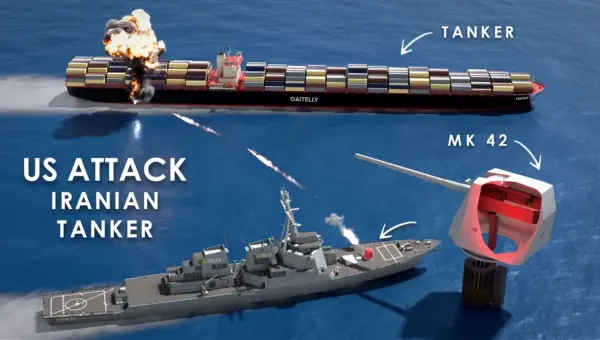
The U.S. Navy recently disabled an Iranian container ship, the Tuska, with precise gunfire from the USS Spruance. U.S. Marines then boarded and seized the vessel. This operation highlights advanced naval capabilities and enforcement tactics.


Trump Threatens Iran as Peace Talks Face New Hurdles
President Trump has renewed threats against Iran, demanding a deal by Wednesday amid escalating tensions and a looming ceasefire deadline. Peace talks in Islamabad face uncertainty as Iran's participation remains undecided. The conflict is impacting energy prices and public opinion, with a new poll showing declining approval for President Trump and growing concerns about inflation and the war.


Iran Ceasefire Hangs in Balance Amid US Naval Action
A fragile ceasefire between the U.S. and Iran faces an uncertain future as tensions rise in the Strait of Hormuz. U.S. Marines seized an Iranian-flagged ship, while prospects for peace talks remain dim amid conflicting statements and internal divisions. Meanwhile, other global events include a new investigation into Jeffrey Epstein's Zorro Ranch and a significant leadership change at Apple.